Showing posts with label Western. Show all posts

Dec 30, 2013

My Top 13 Non-2013 Films

I try to watch as many new release films as I can each year, but inevitably there are still big gaps in my cinematic experience and every year I also spend a lot of time trying to plug those gaps by catching up with a lot of older films.

Since discussion of my Top and Bottom 10 of 2013 will be posted in the form of podcasts I decided that this year I'd do something a bit different and run down, in the order that I saw them, the 13 best older films that I watched for the first time this year.

The Lickerish Quartet
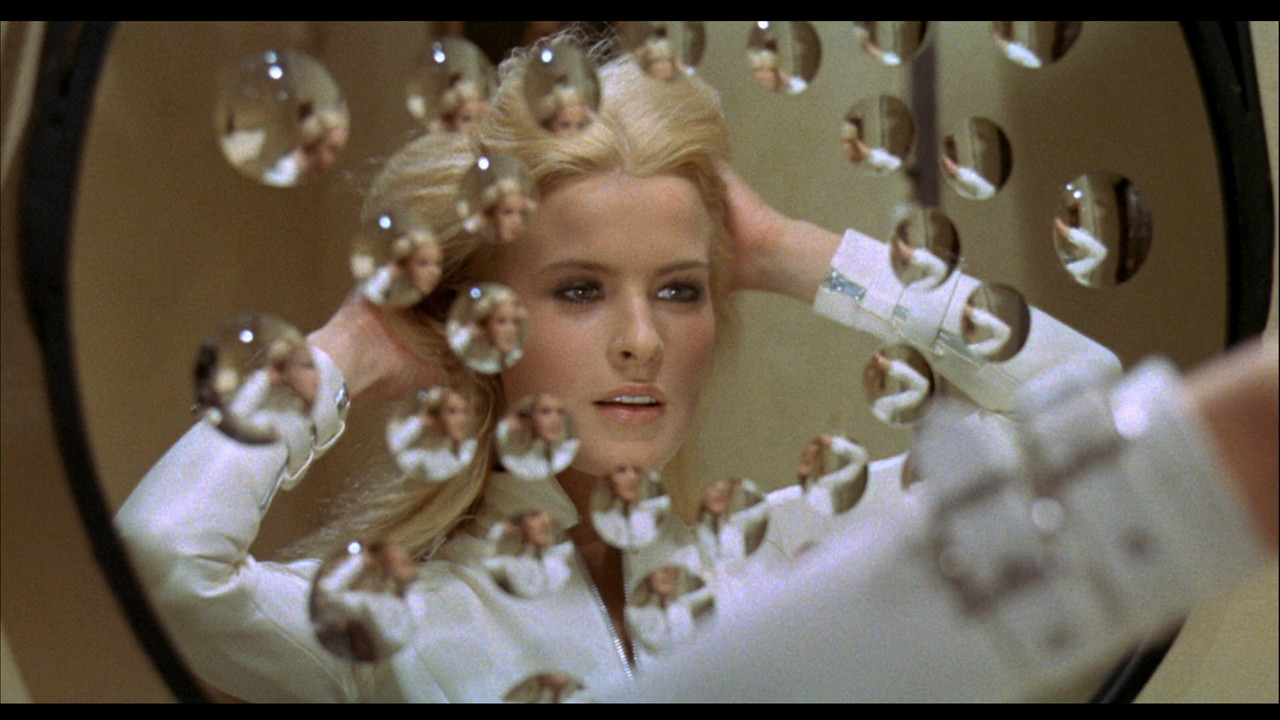
The Radley Metzger films I've seen, both softcore and hardcore, have all exceeded the expectations that you would typically have of sexploitation cinema, but The Lickerish Quartet really stands out.  It's a playful, surreal, film that intertwines film and reality in a way that has much to say about the way we relate to cinema.  The script is articulate and the acting strong, but Metzger's direction really stands out, he may be an exploitation filmmaker, but he has an artist's eye and sense of rhythm.
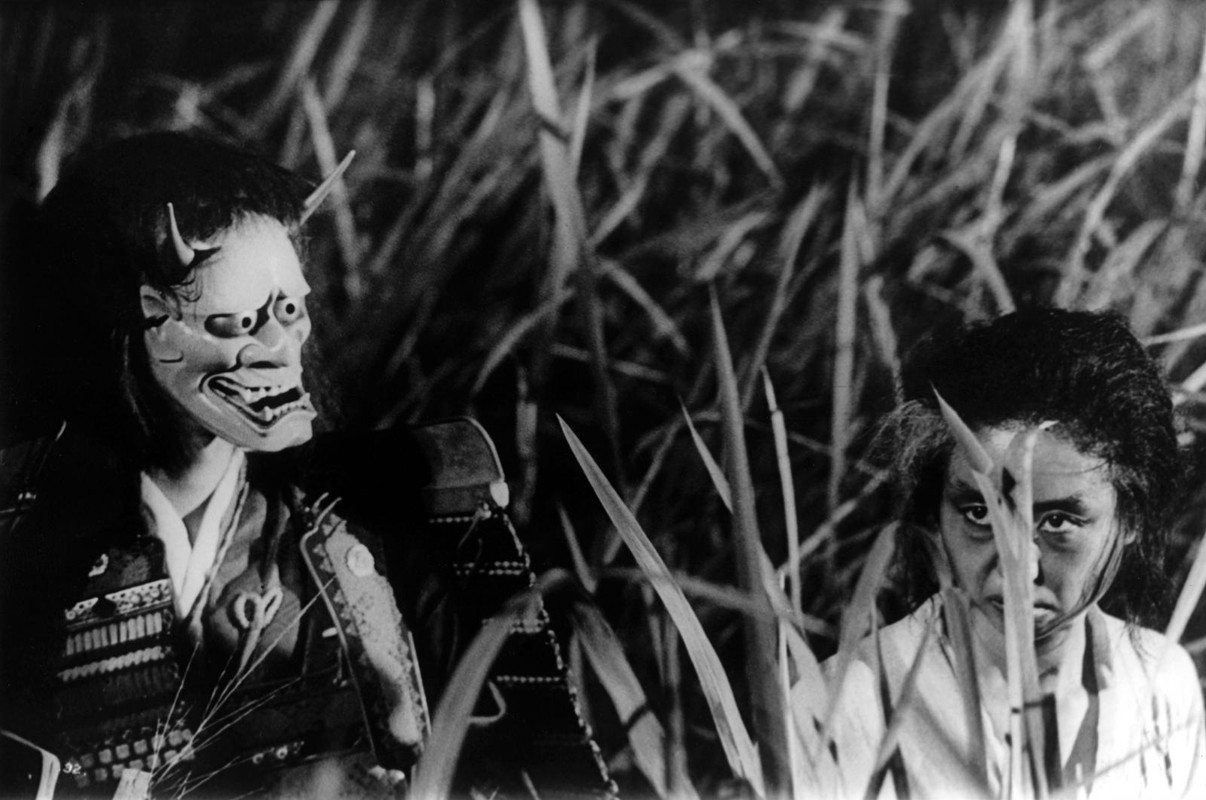
Onibaba

Kaneto Shindo was a great discovery for me this year, and another example of a director whose work I might never have discovered were it not for being a critic (I was assigned several of his films to review for other sites).  Onibaba was the standout; a brilliantly acted drama about a young wife living with her mother in law as they wait for the husband to return from war, which morphs slowly into a creepy ghost story.  It's strikingly shot, with the remote location in the midst of a swamp providing great atmosphere, but the threat also comes through in the performances, especially that of Nobuko Otowa as the mother. 

Rashomon
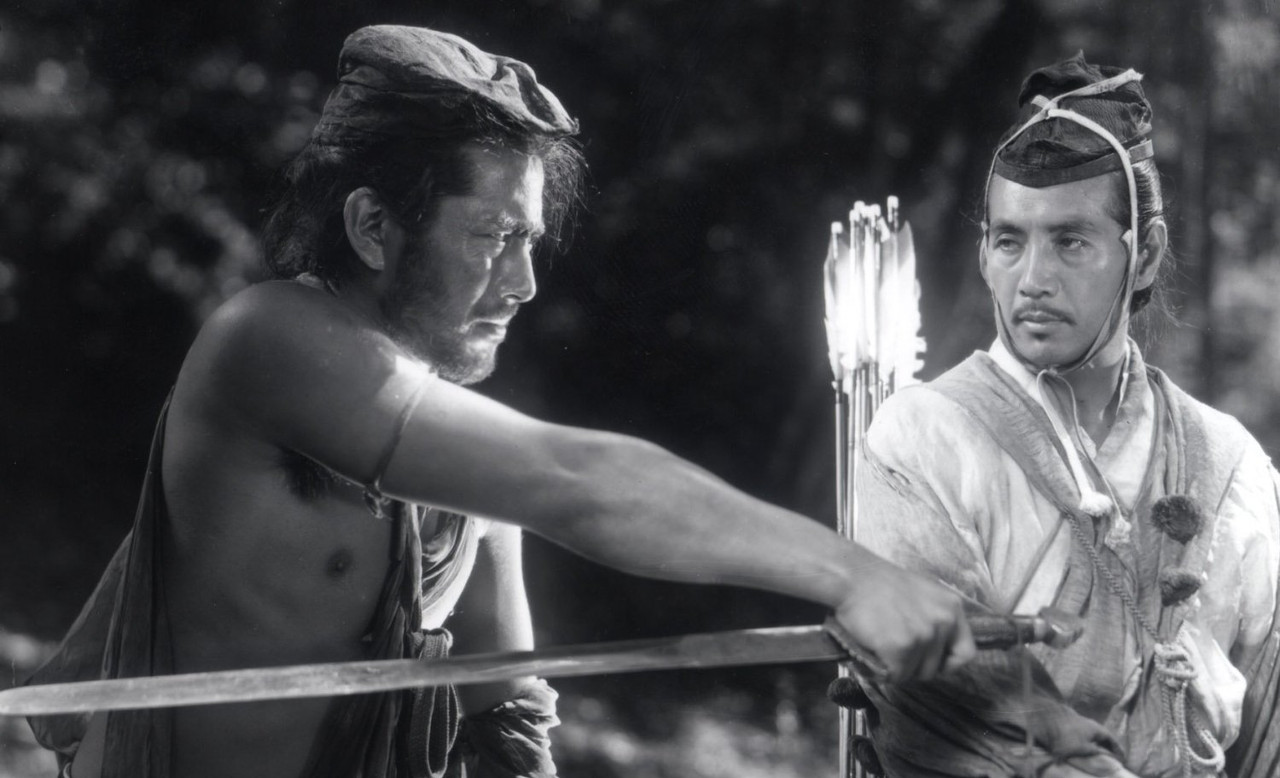
One of the most shameful oversights in my film viewing came to an end this year as I finally saw my first Akira Kurosawa films.  Rashomon is a movie that felt strangely familiar on a first viewing, because I had heard so much about it and seen so many films that spin off its central idea of using varying testimony to explore the 'truth' of a single killing.  That's not to say that Rashomon didn't grip me, from Kurosawa's use of light to Toshiro Mifune's fantastic performance, which manages to be both clownish and menacing at times, it impressed me throughout and made me kick myself for never having seen it before.


The Place Promised In Our Early Days
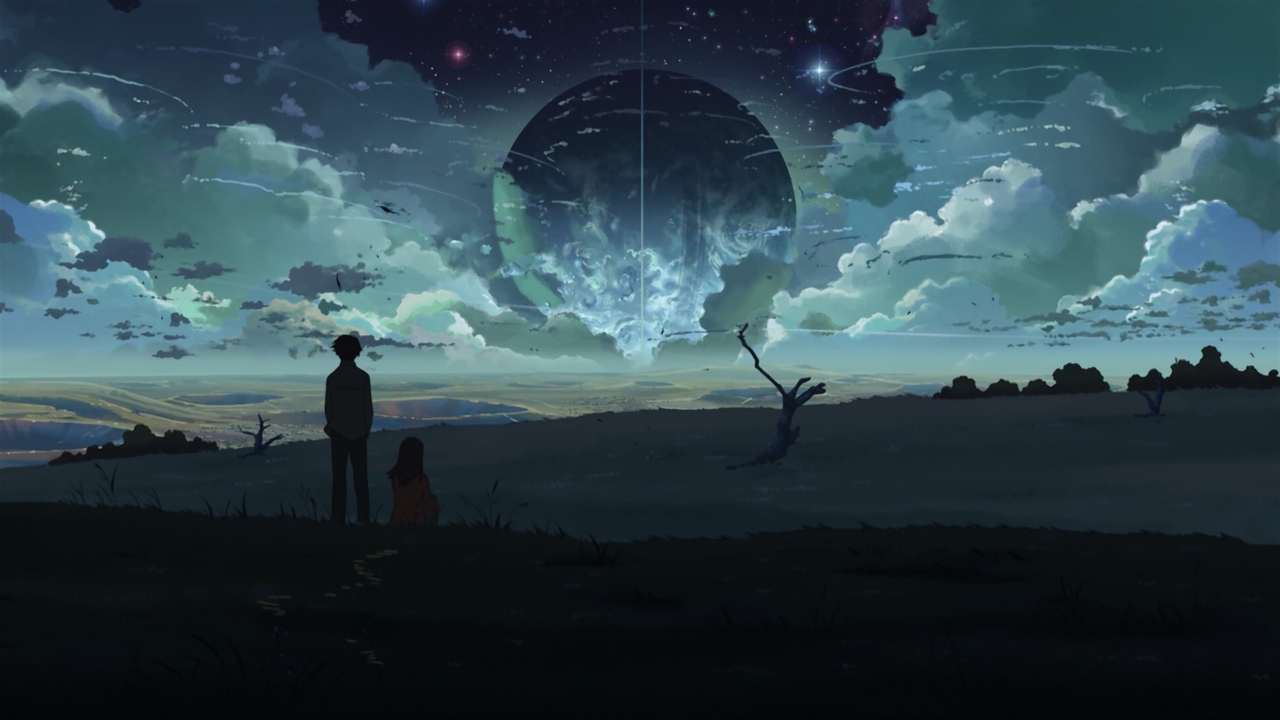
Makoto Shinkai is becoming one of my favourite directors, and is certainly one of the best I've discovered working in anime.  This film takes a grand sci-fi concept and marries it to a teenage love triangle that is depicted - despite eventually also taking place in a dreamscape - in a way that rings almost painfully true and painterly imagery that looks like what would happen if Terence Malick became an animator.  It's quite extraordinary to look at, and tugged my heartstrings in an unforced way.

Sky Captain and the World of Tomorrow
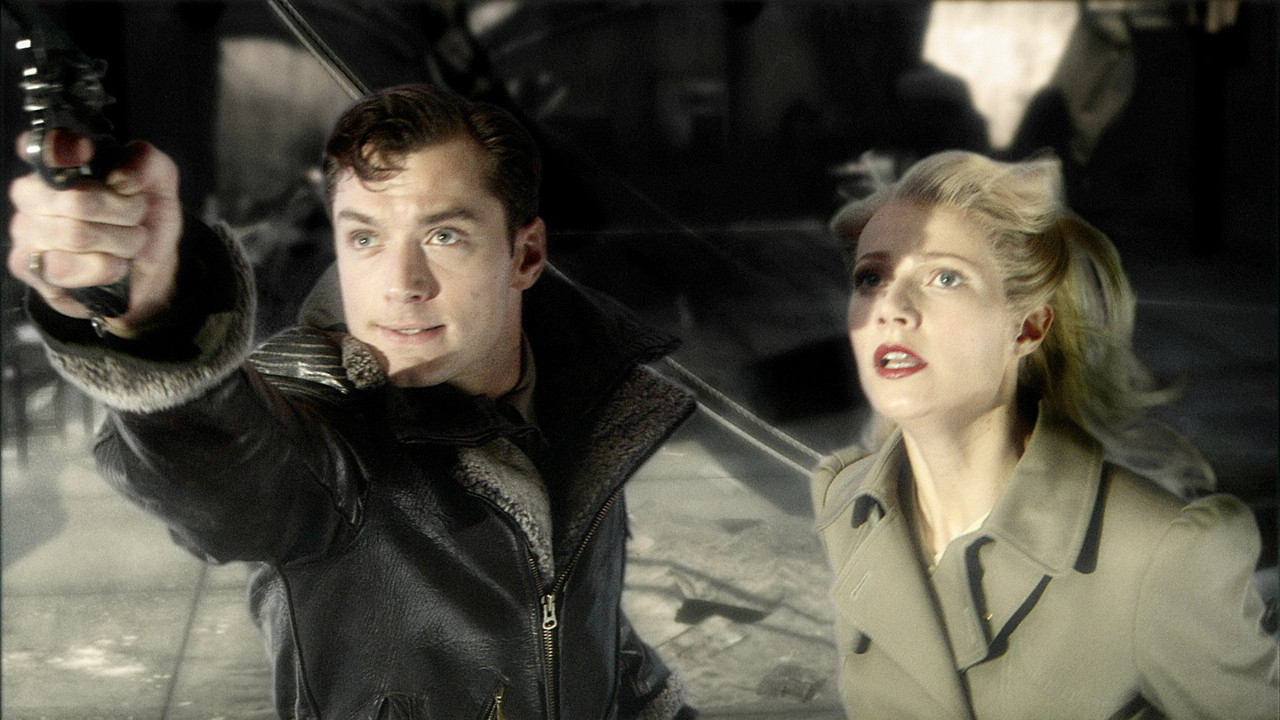
Yes, really.  I passed this one by on its release as it looked like just one more would be blockbuster flop, what I found instead was a witty and relentlessly fun adventure movie that remixed all its influences (expressionism, noir, adventure serials, 50's sci-fi and more) into a distinctive and well realised universe of its own.  The performances are as much fun as the visuals and while it's not always totally coherent the freewheeling fun of the story kept me engaged.  The film Sky Captain reminded me of most was The Rocketeer, and it deserves a critical rehabilitation just as much.

A Swedish Love Story
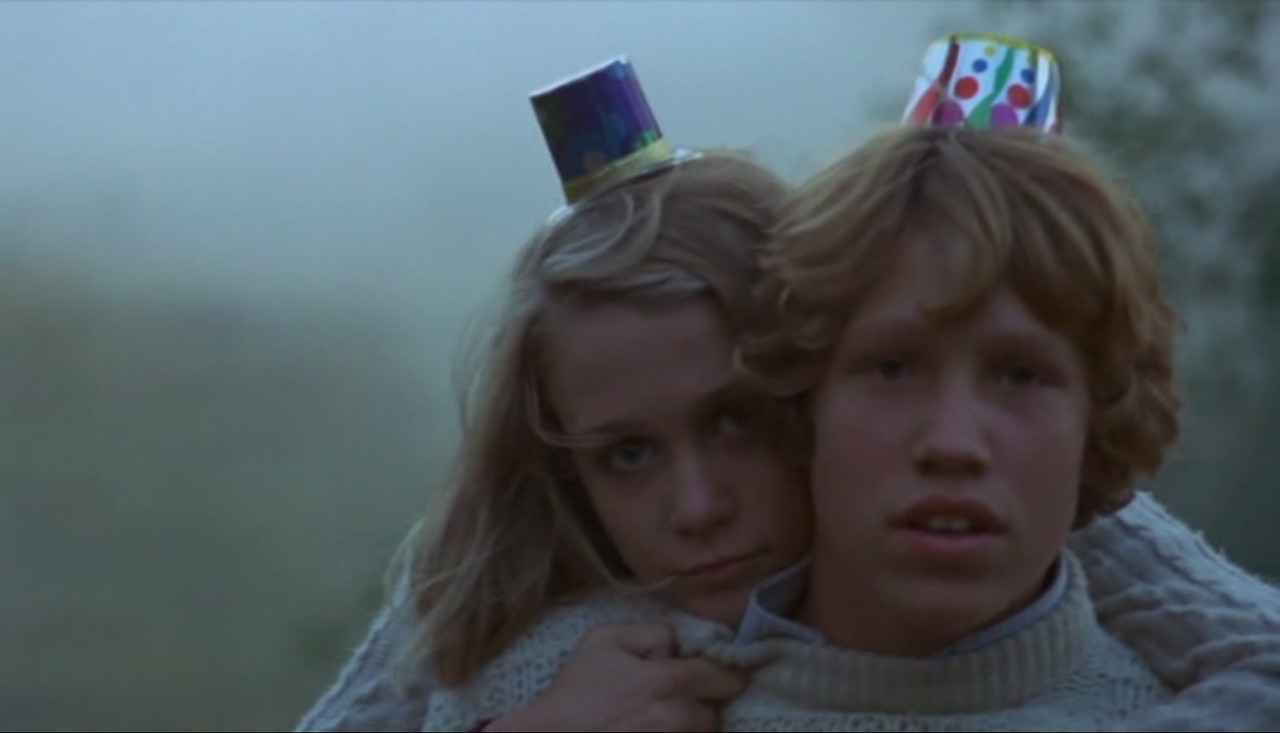
A simple title for a simple film, and I mean that in the best way.  I've always been interested in coming of age stories, and am especially fond of those from Europe and Scandinavia, but I only heard of this film (on Twitter) earlier this year.  On tracking it down I found a heartfelt tale of first love, with the rough edges that Hollywood might smooth left intact.  The two lead performances are brilliantly naturalistic, which is also the approach taken by director Roy Andersson.  The film digresses in its last twenty minutes, but this is the only bad note it hits.

Love In The Afternoon ['72]
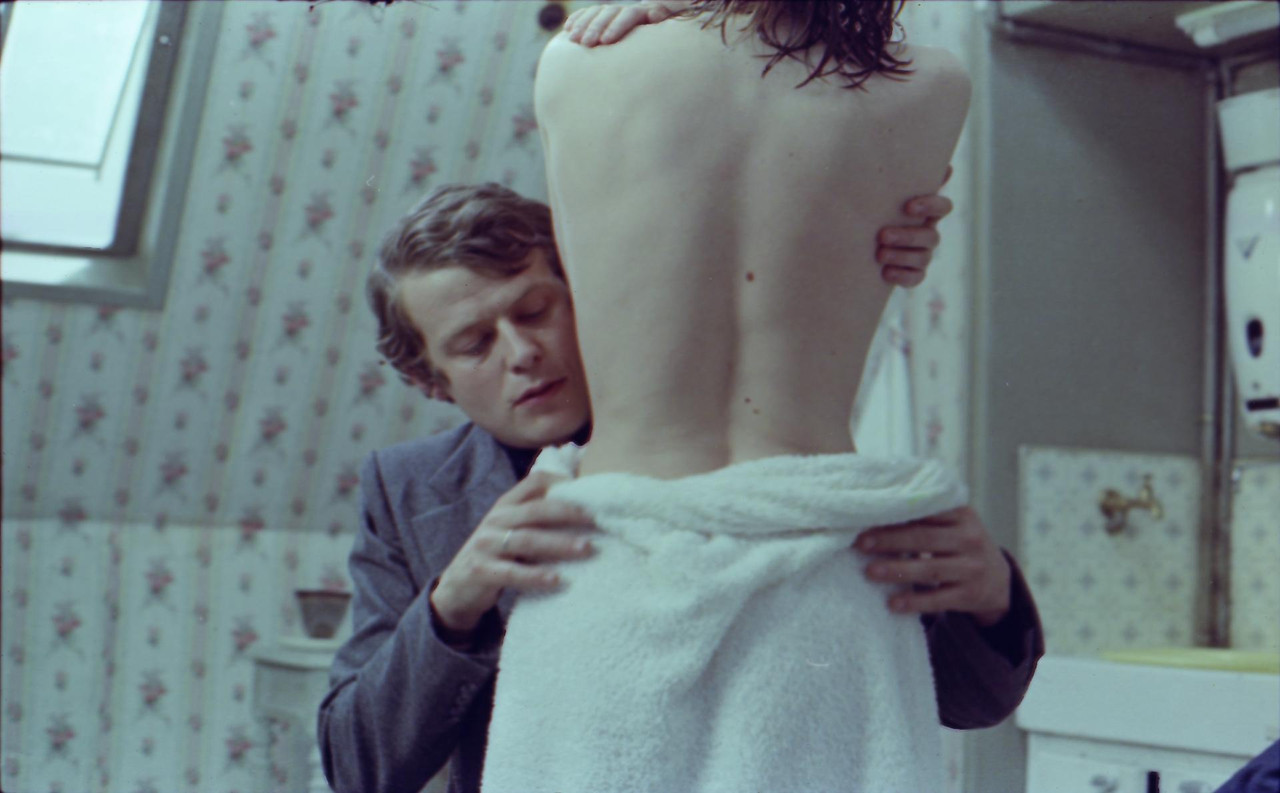
Eric Rohmer was another director that I discovered this year, having only previously seen one of his films (The Green Ray).  I thoroughly enjoyed Pauline A La Plage, but this film, about a man torn between his wife, who he still loves, and a woman he is tempted to have an affair with, was the one that really cemented my interest in Rohmer's work.  As is the case with all of the films I've seen from him, Rohmer manages to take difficult, dramatic, topics that could sit heavily and, while exploring them with great detail and import, treat them lightly.  It's a wonderful tonal balancing act that the director and his actors carry off and I can't wait to see more of it.

Solaris ['72]
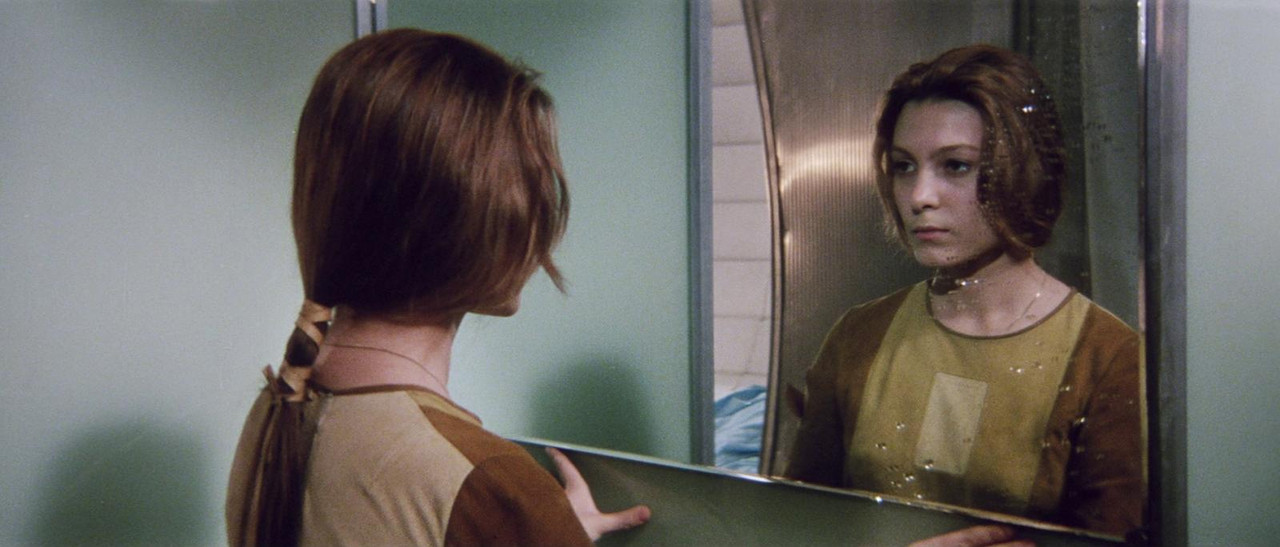
From what I had heard about Andrei Tarkovsky and his films I was concerned that I would find Solaris dull and remote, it was anything but.  This slow moving sci-fi eases us into its more fantastical elements and this, along with the exceptional acting, allows it to credibly introduce unreal elements and have us question whether they are actually happening or a result of the main character losing his mind.  At the centre of the film is an achingly romantic story of a man desperate to have his late wife back, and Natalya Bondarchuck's performance as that wife - or an image of her - is one of the best I've seen for years.  I can't wait to see this multi-layered and immersive film again.

Tuesday, After Christmas
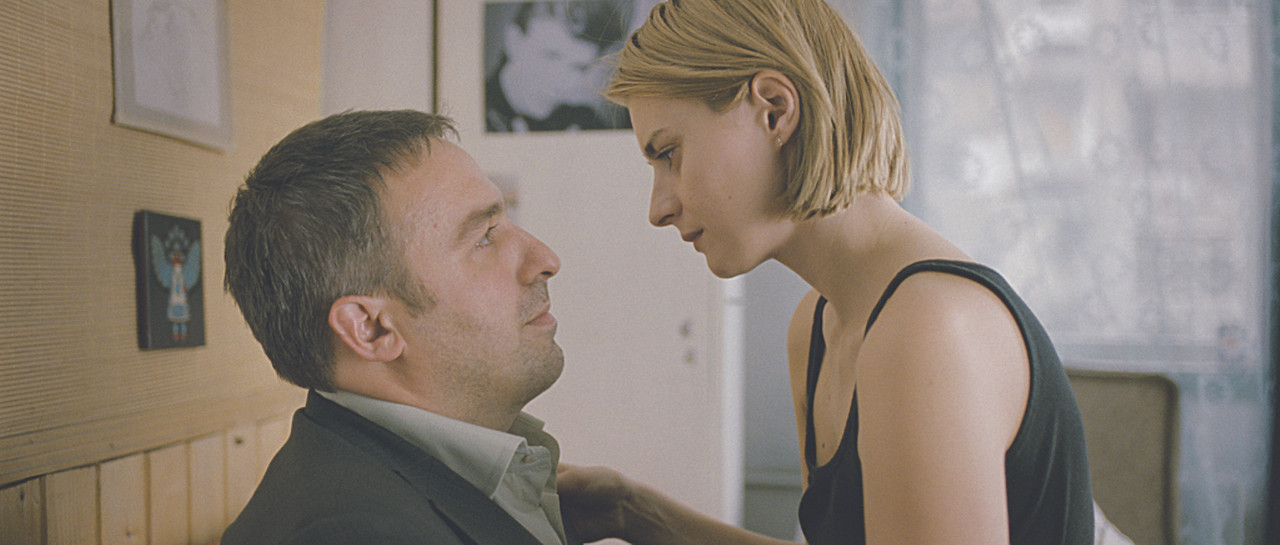
Another film about a man torn between two women, this one much more caustic than Love in the Afternoon.  This Romanian film finds a husband and father leaving his family for a younger woman.  Observed in a handful of long scenes, the film allows you to become invested in both the marriage and the new relationship by giving all of the characters rounded personalities and painting no one as either good or bad.  It's down to earth and true to life, often in the most uncomfortable way, especially in the climactic break up scene which, like the whole film, is perfectly played.

Seven Samurai
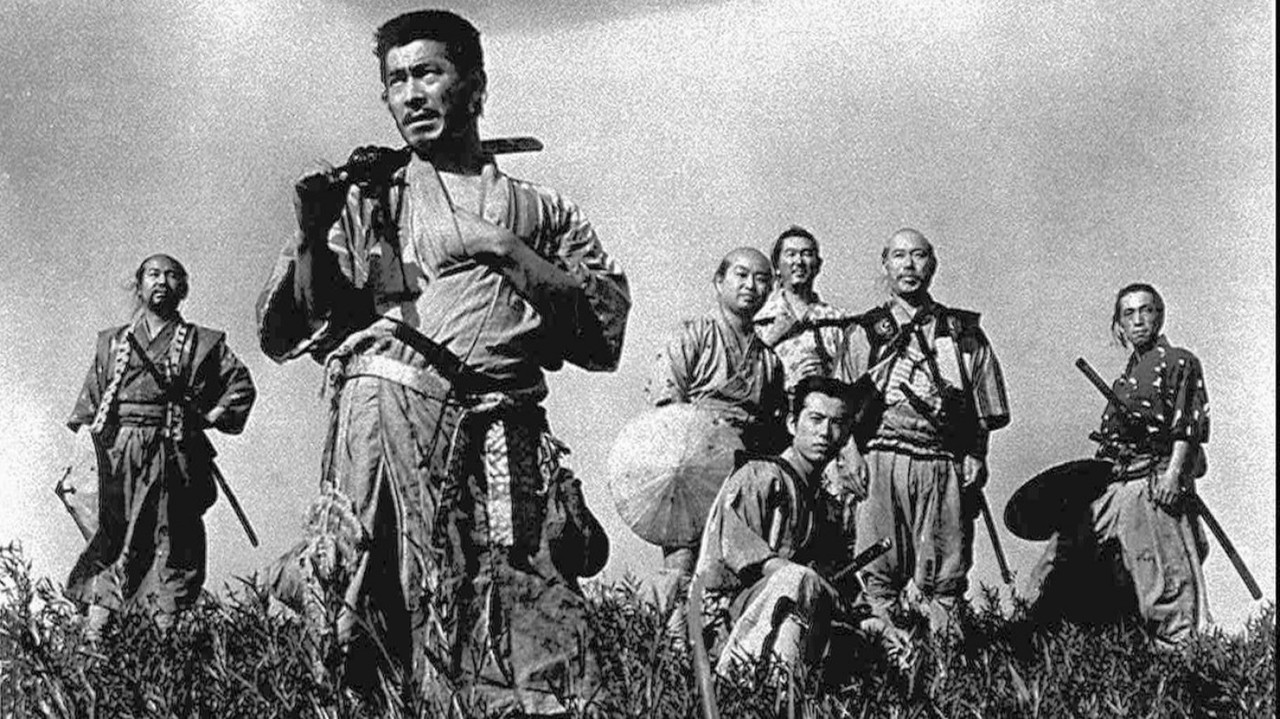
Yes, I know I should have got round to Kurosawa and to this film much earlier, does it help redeem me that the first time I saw it was at a cinema, projected from a beautiful 35mm print?  Anyway, primed by Rashomon earlier in the year (and because I wanted to retain at least a little critical credibility), I went in wanting to love Seven Samurai.  I was not disappointed.  A rather slight love story aside this old story of a band of warriors fighting against impossible odds was invigorated by its telling, which is energetic despite a running time north of three hours.  The battle scenes are incredible, but the film doesn't mark time in getting to them, it is riveting and beautiful throughout.

Spider Baby
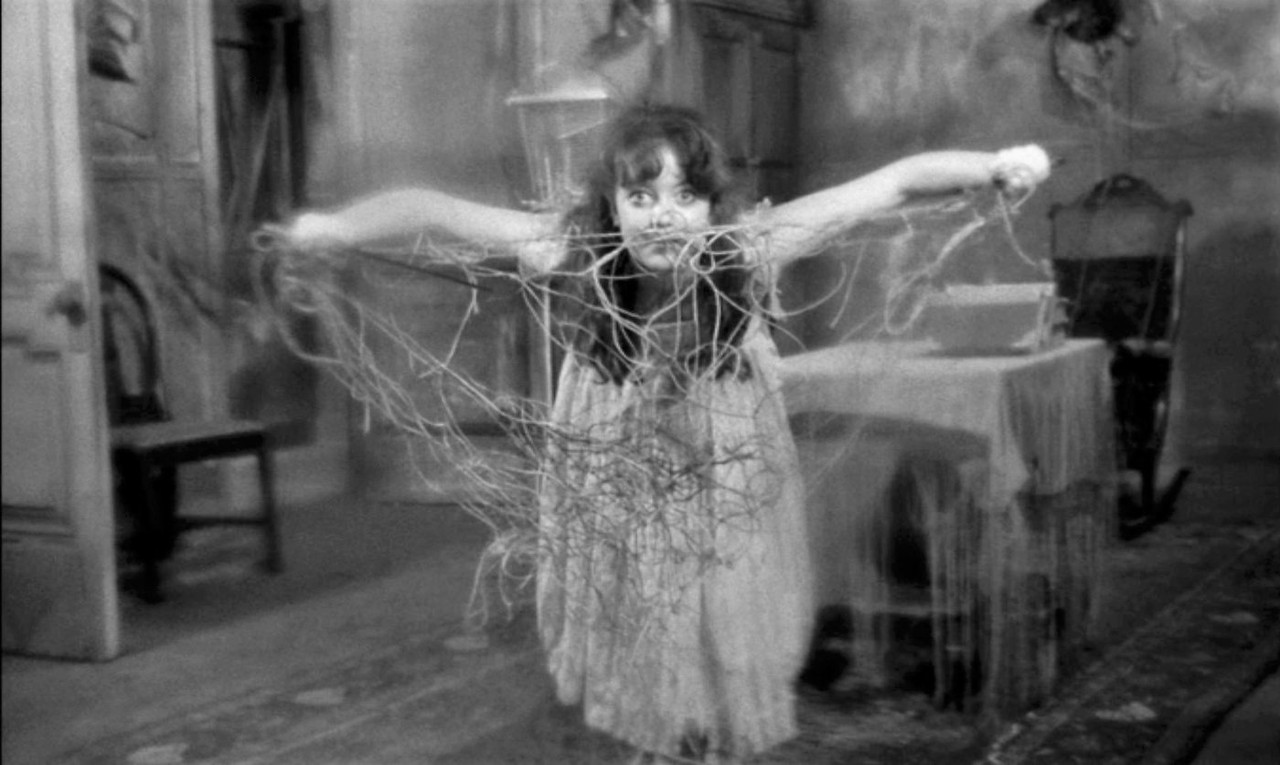
Spider Baby is one of those movies that I had always heard about, but it remained obscure and all but impossible to get your hands on, until Arrow Video released it on Blu Ray this year.  It is a defiantly odd film, its closest relation as a dark, weird, horror movie inflected with comedy is perhaps Tod Browning's Freaks, and Spider Baby is not embarrassed by the comparison.  It's a surprise to find that director Jack Hill - best known for Blaxploitation fare like Coffy and Foxy Brown - is also behind this oddity, but while it's atypical of his work it's full of memorable moments and scenes that still stand out for their strangeness.  I'll have much more about this film on an upcoming podcast.

L'Effrontee
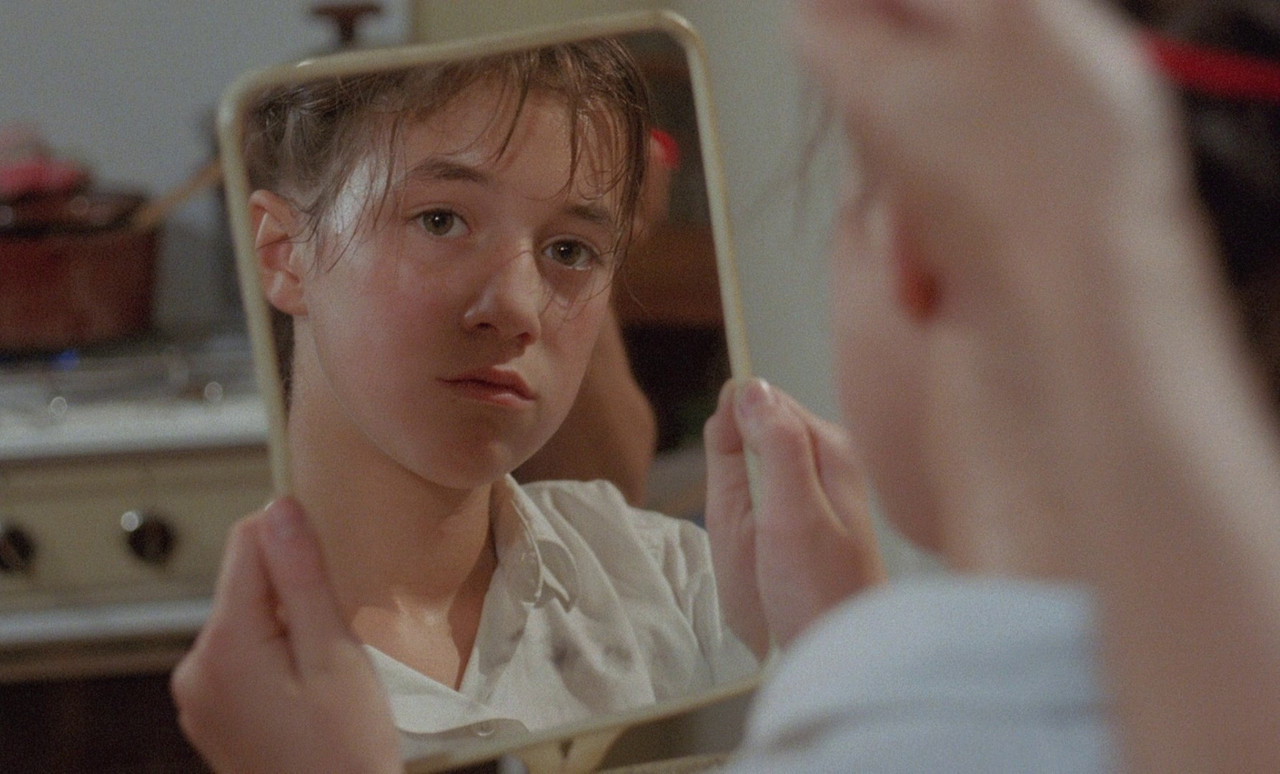
I've long been a fan of Charlotte Gainsbourg and have been wanting to see her early work for some time.  This, her second film, was the role that really brought her to notice and with good reason, she's exceptional as a young teenager who becomes obsessed with a concert pianist her own age, tracking her down after they meet by accident and convincing herself that they are friends.  Because of her character's youth Gainsbourg is more pitiable than frightening here, and her inexperience is turned on her in a sub-plot involving what begins as an innocent flirtation with an older man.  This is another fine example of how coming of age films from outside the US often deal better with the less pleasant aspects of growing up.

Heaven's Gate
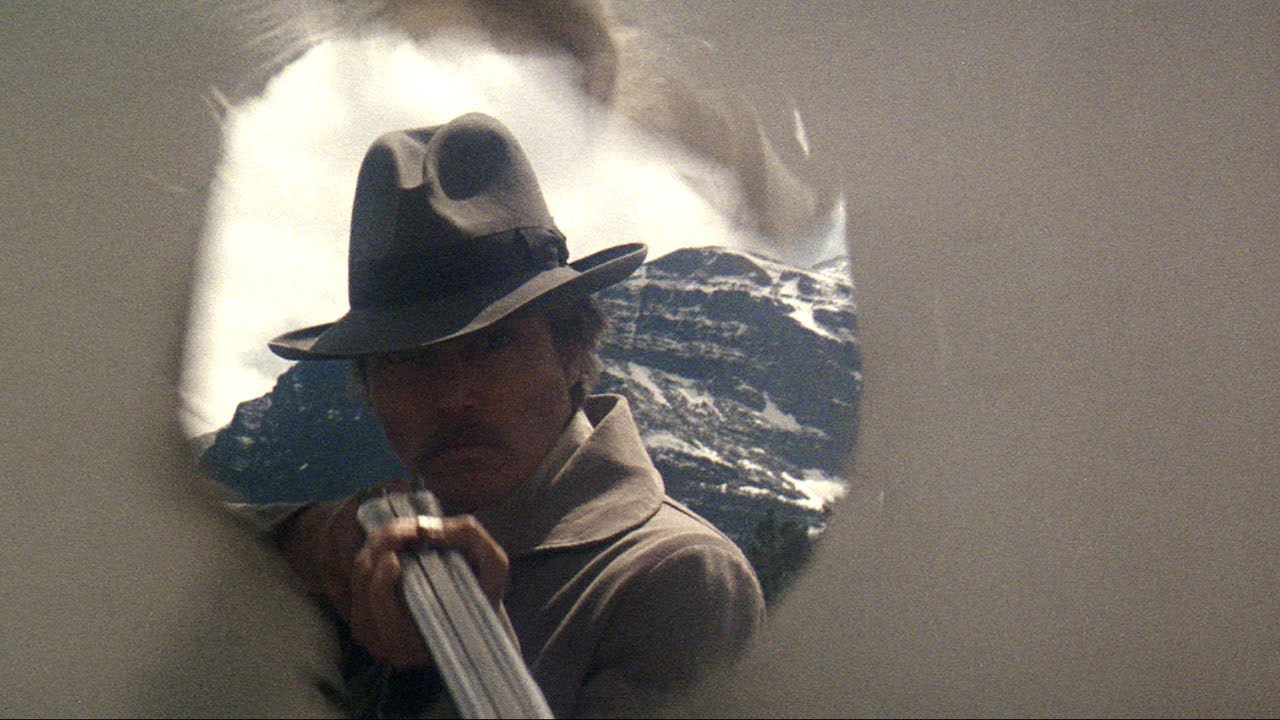
Much maligned at the time of its release and subsequently hard to get hold of in the UK, Heaven's Gate has taken on almost mythical status as a great directorial folly.  This could hardly be further from the truth.  Though it could, for me, happily shed its prologue and epilogue, the 190 minutes that fall between them are essentially a masterpiece, telling a large sale story of the (real life) Johnson County War, but finding personal resonances in the stories of new immigrants to the US and a love triangle between Kriss Kristofferson, Christopher Walken and Isabelle Huppert as men on opposite sides of the conflict and the woman they both love.  It may be long, but both the exceptional performances (Walken has seldom been better) and the stunning imagery will reward your patience.

Sep 25, 2013

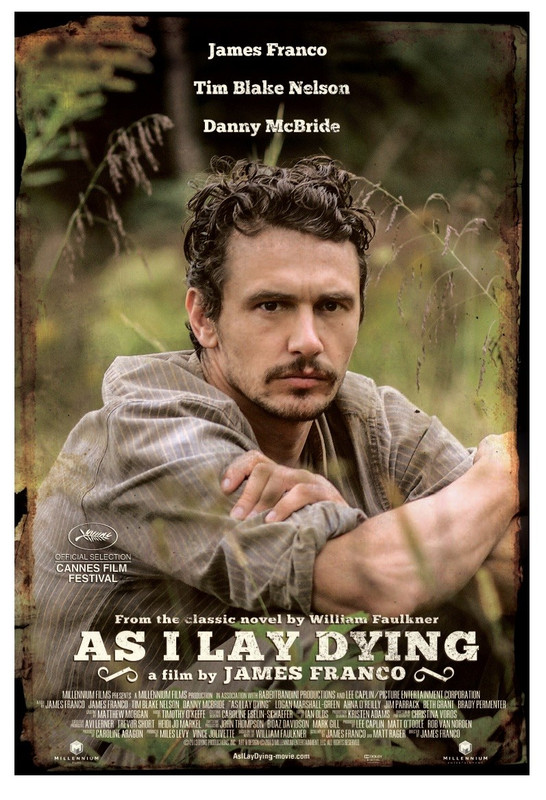
24FPS @ Lff 2013: As I Lay Dying

Dir: James Franco
Your response to As I Lay Dying will likely depend on your response to co-writer/director James Franco.  I'm mixed on him; there is clearly talent there, but he's also got a tendency to spread himself thin and allow his artsy pursuits to become very self-indulgent. For me, this tends to make his work harder to love than it is to respect.

Based on William Faulkner's novel (which, for the record, I've not read), As I Lay Dying tells a very simple story of an extremely poor family; father (an impenetrably accented Tim Blake Nelson), four sons (including Franco and Logan Marshall-Green) and sister (Ahna O’Reilly) and their journey to bury their recently deceased mother (Beth Grant).  Along the way family tensions and secrets emerge.

Perhaps because of the overwhelming simplicity of the story and the potential tendency toward melodrama, Franco opts to use a very consciously designed, elliptical, impressionistic style that constantly alerts you to the fact that you're watching a film.  Passages that apparently occur as internal monologue in the book are here rendered as fourth wall breaking pieces to camera, the one thing that could be fairly called an action sequence is drained of all sound and about half of the film is split screen.

For me, Franco's use of split screen is the perfect demonstration of the film's successes and its failures.  When the technique works – as when it juxtaposes Dewey going to procure an abortion as her brothers dig their mother's grave – it works beautifully, providing interesting ideas, and it frequently means we have two beautiful shots on screen rather than just one.  On the other hand, it can also feel like a crutch, as though Franco is using it to avoid choosing between two shots he likes, or as though we're watching two different films at once.  It's telling that as the film develops more of a plot as it goes on Franco relies on the split screen less and less, which also suggests that in the uneventful opening hour it is a bit of a crutch.

There are great things here; a beautiful, intricate and unusual score, breathtaking cinematography, a set of fine performances, especially from Marshall-Green, O'Reilly and Franco himself and a clear craftsman's hand at work.  I just wish that Franco could rein himself in a little, display his directorial sleight of hand when it will add the most to the film, rather than with the near indiscriminate frequency he does, it's this that marks the film out as a debut.

The problem with all this technique is that it is, for me, extremely distancing.  This may be by design, but I still found it extremely frustrating.  The film held me at arm's length for the first hour, but as the story and characters developed I found myself drawn into the story of this family until, every now and then, the movie would in essence shout 'you're watching a movie'.  

Some people will love As I Lay Dying and I can see why, but Franco consistently works against his own film, I wish he'd trusted it more.
★★

Feb 12, 2011

True Grit [15]

Dir: Ethan Coen / Joel Coen
I have neither seen the 1969 film of True Grit, nor read the Charles Portis novel on which both that film and this one are based, so I came to Joel and Ethan Coen's first traditional western fresh, without either the novel or the spectre of The Duke to colour my response to it.

The tale itself is a pretty straightforward story of vengeance sought. What makes it more unusual are the characters. The avenger is 14 year old Mattie Ross (Hailee Steinfeld), whose father was murdered by a man in his employ named Tom Chaney (Josh Brolin). Unable to give chase on her own she hires US marshal Rooster Cogburn (Jeff Bridges), and joins him on Chaney's trail. They are also joined by a Texas Ranger named LaBeouf (Matt Damon), who is after Chaney for crimes committed prior to the shooting of Mattie's father.

The Coen Brothers are a rare breed. They began their careers as outsiders; quirky indie filmmakers whose acclaimed work played to a relatively small cult audience, but lately, like many of the leading indie writers and directors of their generation, they have expanded their reach to a mainstream audience and much wider critical and awards plaudits. What's so special about how they've done it is that they haven't lost what made them unique as far back as Blood Simple and Raising Arizona, even in a film as otherwise mainstream as this one there are little moments, lines, characters and scenes, dotted through the piece that feel as though they could only ever come from the Coen brothers. However, only one of these things ever feels out of place in the film, they've managed to be both utterly original and make a truly classical film, an incredible circle to have squared.

Visually, True Grit is a wonder. Roger Deakins has been the brothers regular cinematographer for two decades, and he's just earned his ninth Oscar nomination for this film, it's easy to see why. More than any other working DP, Deakins has a painterly eye; his light is beautiful and artful, but never seems contrived, and he can use it to bring out any quality you like, from the soft, almost dreamlike, image of Mattie's shot father that opens the film to the inky silhouette of Rooster that comes, late on, to Mattie's rescue. There is, of course, more to the visual side of True Grit than what Deakins does, the Coens are past masters of cinema, they understand exactly how to tell a story with a great economy of images. This film never feels slow, in fact it moves fast and near relentlessly once Mattie, Rooster and LaBeouf set off, but the camera and cutting keep a sedate rhythm, allowing you to take time to drink in the detail in the images, from the construction of period to the feel of the images, which have an almost tangible encrustation of mud, sweat, and quite often of whiskey. It also means that when action does happen, and the cutting does ramp up for a moment, it's exciting, and pulls you into the moment.

True Grit has one of those increasingly rare screenplays which appears to be written by someone whose love for and interest in words comes through with every line. Of course, the credit can't entirely go to the Coens, because by all accounts the dialogue is often very close to Charles Portis' novel, but they put it into an idiom and a syntax that feel both entirely of their world, and entirely appropriate to that of the characters. There is a style of speech that stretches across the whole movie, but each character also has their own definable voice, perhaps the most compelling is Mattie's; almost supernaturally assured and intelligent for fourteen, which gives her many of the film's finest lines, especially in the several scenes in which she runs verbal rings around a horse trader.

The Coen brothers are now in the rather rarefied position that they can get just about anyone to be in their movies, and they've assembled a stellar collection of talent here. Bridges is pretty far from his usual charming self as the tough, grizzled, drunkard Cogburn, but he's likeable because now and then he gives us a little glimpse beneath the bluster as he warms up to Mattie as she proves herself on the trail. Damon is the outwardly charming, sometimes even smarmy, flipside to Cogburn. LaBeouf's could easily be a thin role, along largely for plot convenience, but Damon gives him presence and personality, and in a scene at the end of the second act there's a lovely, palpable, bond with Mattie.

The villains only have small roles in the film, but Barry Pepper reminds us what an interesting actor he can be and Josh Brolin continues his career renaissance as Chaney. Chaney is both as loathsome as you might expect and better drawn than you could hope. In a few short scenes Brolin comes up with a wide range of elements to the character, so much so that you'll almost wish you'd seen a whole film about him as well. Among the rest of the supporting cast there is the usual spread of interesting character actors, with perhaps the most notable being Domhnall Gleeson, son of Brendan, who is also in a small role in Never Let Me Go and, mark my words, is a name to watch.

All this said, True Grit belongs to one person, and that's Hailee Steinfeld. Just thirteen when she made this, her first film, she's now probably the frontrunner for what would be an entirely deserved Best Supporting Actress Oscar. It's category fraud, of course. Steinfeld's Mattie is the heart and soul of the film, apart from brief bookends she's in every scene, and the whole film is seen through her. She is extraordinary in the role, the toughness she projects seems genuine, and yet so does the vulnerability, at times she seems - again credibly - far beyond her years, but she's also allowed to be a kid, notably in one lovely scene in which she offers to tell Cogburn and LaBeouf a ghost story. That Steinfeld pulls all this off totally naturally, without coming off as remotely actorly or precocious, is truly remarkable. It's a great performance, and one that will take her far, Oscar or no Oscar.

There are a couple of stumbles along True Grit's path, small ones, but still. At times Bridges is a little broad as Cogburn, pushing the old soak act a little far, and one scene allows him to go totally overboard as Cogburn and LaBeouf hold an impromptu target shooting contest. This scene slows the film to a stop, and feels completely out of place in the darker tale being told here, it's the only sustained patch of the film that just doesn't work. I could also have done without the coda, it adds little to the story and sends the film out on a slightly blah note.

However, these are small stumbles, and True Grit is a great film, the Coens best since No Country For Old Men in fact, and it absolutely demands to be seen at the cinema.
★★★★☆

Oct 10, 2010

LFF 2010 review: Meek's Cutoff [15]

Dir: Kelly Reichardt
I've not seen any of Kelly Reichardt's work before, but her first two films are now near the top of my to see list.

While Reichardt’s previous films are, apparently, essentially plotless, Meek's Cutoff does have a distinct narrative through line. Set in Wyoming in 1845, the film picks up three married couples (Michelle Williams and Will Patton, Paul Dano and  Zoe Kazan and Shirley Henderson and Neal Huff) and the guide (the titular Meek, played by Bruce Greenwood, unrecognisable under some pretty spectacular facial hair) who, it seems, has got them lost, some weeks into their crossing of the continent, following many others to the West. Water soon becomes an issue, but the men capture a Native American (Rod Rondeux), and try to coerce him into leading the party to the nearest source of water. But can they trust him?

What’s most interesting about the way Reichardt tells this tense story is how far in the background she allows the narrative to play. This film is at least as much about the landscape in which it plays, and the unspoken things between its characters as it is about the lack of water and the threat of Indian attack. Images mean more than anything here, and everything else has to make way. At first glance characterisation is thin, advanced through short, incidental, conversations and small, but telling, events. Only Michelle Williams’ Emily Tetherow is really fully developed, but, while I’d usually be complaining about these characters not being three dimensional, it doesn’t keep Meek's Cutoff from being a great film. That’s because the people aren’t really the main characters; the landscape is, and Reichardt’s camera knows it.

The photography is undoubtedly the star of this film. Despite working with what appears to be entirely natural light, Chris Blauvelt works wonders on his first feature as cinematographer. In the daylight he and Reichardt emphasise the parched expanse of the desert, which seems to recede into forever, and at night we have beautifully composed shots of characters in silhouette, or illuminated by lamp and firelight. From a visual standpoint some critics have compared Meek's Cutoff to the work of David Lean, for me it harks back to the best of Terence Malick and especially to Days of Heaven. The Malick comparison also seems apposite because dialogue is sparse, but when it comes there is great weight to every word.

Though the characters are essentially left skeletal by the script (Kazan is naïve and nervous, Henderson and Huff extremely religious, etc) the performances add meat to those bones. Williams has the most to do, and her trusting but steely Emily is the heart (and indeed the conscience) of the film. In one of the films finest, and most unbearably tense, scenes she initiates a Mexican standoff when Meek threatens to kill the Indian. Meek is the other central figure and Bruce Greenwood, whose laidback attitude always seems to have threat behind it on this role, makes him utterly compelling whether it’s as part of that standoff or simply telling one of the children in the party a story. His weather beaten look and his voice tell as much about the character as any of the dialogue.

The rest of the cast has less to do, but is solid nevertheless thanks to Reichardt’s casting of some gifted character actors both established and up and coming. Though underutilised, Shirley Henderson is as quietly effective as ever as the most basically stoical of the wives and Will Patton is an especially strong presence as Williams’ much older husband. As the younger couple Paul Dano and Zoe Kazan continue to demonstrate that they are willing to make unexpected career choices and to stretch their acting muscles much more than some of their contemporaries. It’s Dano who comes off best, often playing the mediating voice among the men.

Some will hate Meek's Cutoff, because very little really happens (there really only two big dramatic events in the whole film, both well into its second hour) and it sends us out on a note that wraps nothing up. I loved its lyricism, its visual beauty, its patient pacing and its unwillingness to spoonfeed us. I was glad too for the inconclusive ending, largely because I was grateful that nobody had forced a completely inappropriate happy ending on Reichardt and screenwriter Jonathan Raymond. Instead what we get is a haunting uncertainty, which is perfect for the film. If you don’t mind your films slow, if you don’t mind thrills tense rather than pulse pounding, I really can’t recommend Meek's Cutoff highly enough, and whatever else you get or fail to get out of it, you’ll be hard pressed to deny that this is one of 2010’s most beautiful films.
★★★★★

Feb 8, 2009

The Good, The Bad and The Weird [15]

Dir: Kim Jee-Woon
Kim Jee-woon is one of South Korea’s most eclectic filmmaking talents. His movies range from the bloody gangster drama A Bittersweet Life to the dark comedy of The Quiet Family and the acclaimed ghost story A Tale of Two Sisters. His latest, as if the title didn’t tip you off, pays homage to Sergio Leone, the film is described in its end credits as an oriental western. But to see it only as that is to do The Good, The Bad, The Weird a disservice, because Kim blends the western with large scale action scenes, and an offbeat slapstick sense of humour in a highly original mix.

The story sees the three title characters, along with the Japanese army and various bands of thugs and gangsters all chasing after the same McGuffin, a ‘treasure map’ said to lead to untold riches. It’s paper thin, but provides enough of a framework for Kim to hang his blistering array of action and comedy set pieces on, while maintaining enough of a through line to make the story worth trying to follow. Trying is the operative word here, because the major problem with The Good, The Bad, The Weird is that its story flies off the rails early, descending into a confused mess that leaves you baffled as to each characters motivations, but it doesn’t matter all that much, because the ride is just such fun.

The film begins with, literally, all guns blazing, in a breathlessly exciting train hold up which sets out the film’s stall in combining action and comedy from the off. Song Kang-ho, probably best known to western audiences as the father in The Host, and a frequent collaborator with Kim, gets the plum role in this respect, playing the Weird character to the hilt. Song’s Yoon Tae-goo is a bumbling bandit whose luck and perseverance, more than any real aptitude, have made him a survivor and a great gunfighter. Song plays him like a Looney Tunes character, which should be a grating choice but because it fits the exaggerated tone of the film, and because Song’s comic timing is dead on, it works beautifully and Tae-goo provides a laugh in almost every shot.

Lee Byung-hun is the biggest star in Asia, and its not hard to see why, beyond his undeniable extraordinary handsomeness Lee is also a charismatic and versatile actor. He’ll soon show up as Storm Shadow in Stephen Sommers’ GI Joe: The Rise of Cobra, but here you can catch him as a lead, and as Park Chang-yi (The Bad) he commands the screen despite having a very thin character to work with. Much of this performance is in Lee’s physicality – he’s not built like Schwarzenegger, but he’s still got an air of danger about him – but it’s in an animalistic moment of violence that he really makes you believe in, and fear, Chang-yi.

Completing the central trio is Jung Woo-sung as The Good, a bounty hunter named Park Do-won who is using Tae-goo so that he can finally capture Chang-yi. Jung has the blandest character, but he brings great magnetism and personality to Do-won, as well as a fundamental decency that should really win an audience over to him.

Good as the actors are this is really the Kim Jee-woon show, and he goes all out. The film careens from set piece to set piece, each larger, louder and more impressive than the last. Besides the train heist there is a long gunfight in an outlaw town, which sees Tae-goo clad in some interesting armour. Then there’s the hilarious sequence that sees Tae-goo rescuing some children from an opium den, and the gigantic battle between the Japanese army, a gang of bandits duped by Tae-goo, Chang-yi’s bandits and Do-won and Tae-goo. That, of course, is all before the film calms down, and serves up the final shootout.

What’s really remarkable about all this is how well Kim juggles the tone, the comedy and the action gel beautifully, neither taking away from the other, which is all the more impressive given that the violence is bonecrunching and bloody, pushing the 15 certificate to its very limits. He also manages to make each set piece feel distinctive, which means that though, at 139 minutes, the film is long it’s never dull.

The only real problem is that the film’s episodic structure means that there is plenty of fat in those 139 minutes, whole sequences and characters could easily be excised and you’d not feel their absence. That might have been a good idea too, because by the end the film is rather too busy, and a lot of the motivations are unclear. Still; The Good, The Bad, The Weird is a highly enjoyable film, a rollicking good time at the movies and if it’s a little self indulgent, well, that’s forgivable.
★★★★