Showing posts with label 2015 releases. Show all posts

Jan 18, 2016

A Week in Movies: January 11th -17th 2016

Fantastic Four [2015] [12]
Dir: Josh Trank
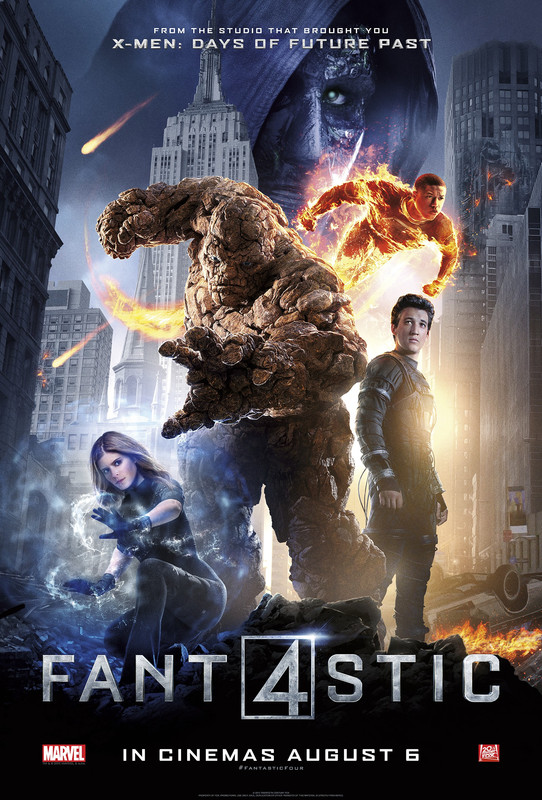
The Fantastic Four comic series has a fascinating big screen history, if only because, of four attempts to put the characters on screen, not a single one has managed to capture anything that seemed to explain why it was worth trying in the first place. The first version, never officially released, was a cynical rights holding move by Roger Corman. It was made for $7 and hot meals for the cast (citation needed) and is about as awful as you'd imagine. It's also by far the best version. This was followed by 20th Century Fox's first attempt at starting a franchise, with director Tim Story helming both Fantastic Four and its sequel Rise of the Silver Surfer. They were successful to a point, but horrendously miscast and entirely forgettable.

That brings us to this film... a cynical rights holding move by 20th Century Fox, who engaged Josh Trank, director of cult found footage superhero movie Chronicle, to make his big budget début. To say that the result, from production to final product, was and is a total clusterfuck is perhaps to be too kind. However, that doesn't mean that Fantastic Four 2015 - as a thing if not as a piece of drama - isn't interesting.

Fantastic Four fails at just about every level possible, and while it is easy to see that (and indeed when) the film was largely wrested from Trank's control, there is still plenty of blame to go around. It is not hard to see why executives would have thought that this film needed to be taken away from its director and his creative team. Throughout it seems imbued with a catastrophic lack of energy. The screenplay gorges itself on setup. To begin with, that doesn't work, partly because it suggests that 2014 Miles Teller (26) and Jamie Bell (28) are 17 or 18, which is laughable, but also because the backstory establishes very little about the characters. 

A screenwriter generally has to start with a blank page, that's not the case here, Trank and his co-writers have 50 years of comics to draw on, but what they come up with largely remains a blank page. Reed Richards (Teller) and Ben Grimm (Bell) are bland presences. Reed's one trait is that he's nerdy, which certainly marks him out among scientists working on inter-dimensional travel and Ben seems stripped even of his comic book toughness. Michael B. Jordan does what he can with the one note irresponsible daredevil he has to play as Johnny Storm, and contributes the film's best performance by coasting on his innate charisma. Kate Mara draws the short straw. Her Sue is consistently relegated to the back seat, she's pitched as a brilliant scientist but her biggest contribution to the mission that sends the team to another dimension seems to be in making their suits. Yes, it's more complicated than just having her do the sewing, but the symbolism is as loud as it is unintentional.

The first 40 minutes, before the characters travel to the other dimension (which is where, in this telling, they get their powers) should be setting up the four as individuals and as a team but - aside from a few unconvincing glimpses of Reed and Sue being attracted to each other so Toby Kebbel's Victor Von Doom can add jealously to ambition and generally being an asshole on the list of reasons he's the villain - it does no such thing. If Trank and the screenwriters had attempted to colour these characters in then the attempt at a down to earth, credible, take on this superhero origin story might have worked, but because they are so loosely sketched it is like watching them move cardboard cutouts around while explaining what's happening.

The tedious screenplay leads to another hobbling problem: the cast seem bored. Jordan at least tries to inject some exuberance into proceedings, but the downbeat tone, weak dialogue and characters, and by the numbers progression seems to sap the life from Miles Teller and Kate Mara in particular. Reed Richards and Sue Storm are one of the most famous couples in the Marvel Universe. It's important that, even if we don't see them as a potential couple, we understand why Doom does. Nothing about their interactions - more redolent of two people who have just met and are trying to pass time in after school detention than a potential couple - makes this remotely credible.

This is also reflected in the film's visuals, which are the typical teal and orange tediousness that so many would be blockbusters seem to be required to use. Trank injects no personality into the visuals, nor into the film as a whole, the corporate mandate drips from every frame even before the abrupt shift that seems to signal the moment that Fox put their director on a leash. The effects are at least competent, with The Thing looking the best he has ever looked on screen (though Jamie Bell's voice is hilariously mismatched with the post-transformation Ben) and The Human Torch looks good thanks to some surprisingly decent CGI fire (still something many films can't do well). These things and other solid effects suggest the film's sky high budget and solid tech team, so it's odd to see a simple, glaring, error in the visuals. Kate Mara's wig is awful, absolutely awful. How does something that basic slip past in a film of this scale? 

Ultimately I think it's - alongside the script and performances - an indication of a lack of passion that seems to pervade the film. The overwhelming impression is that of a company and a group of filmmakers working on a placeholder; something that will let them have a crack at doing this right in a couple of years time.

The film hits a lot of the expected beats: background, characters get powers, characters explore/moan about powers (in a sequence that could have been expanded upon quite interestingly, both in terms of its body horror and if it had engaged with politics that lay behind it, but which is dropped like a hot stone), but it does this without building up a villain. This is when the change in the film comes; as the third act opens a 'one year later' caption seems to end the film we've been watching (fine, I was bored) and start a new one, which is even more by the numbers and reintroduces Kebbell's Dr Doom. It's as if someone put a post it note in the screenplay that said 'insert generic end battle'.

The third act is an absolute mess. Doom's powers and motivation are ill defined, as is the way that the four, who he initially bats away with no seeming problem, should be able to defeat him (spoiler, it involves precisely no use of their apparently massive intellects). The plan that Doom uses to threaten the world is nonsense that feels like back of a napkin screenwriting, and the fact that the film to this point has barely engaged with the real world means that it has absolutely no weight or connection to anything of greater scale. I can see why execs wanted to take this boring and underpowered film away from Josh Trank, but you'd like to have imagined that if they were going to bother, they'd have ideas that would improve the thing.

Fantastic Four is a dull and derivative superhero film, made with absolutely no passion, but as a demonstration of how the modern Hollywood system works (or doesn't work) it is fascinating. Still, I'd rather see an honest documentary about it than this film itself.

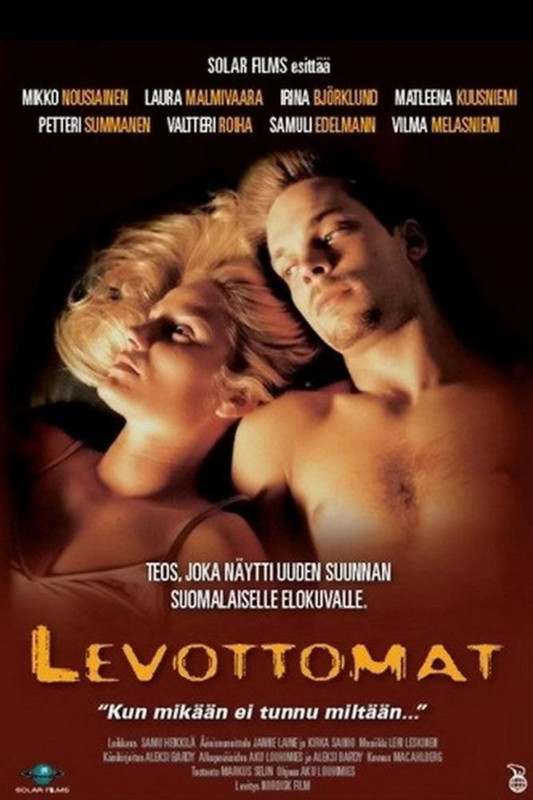
Levottomat
Dir: Aku Louhimies
The first of a loose trilogy, linked thematically rather than by characters, filmmakers or story, Levottomat was the college project of Aku Louhimies, writer Aleksi Bardy and editor Samu Heikkilä. For a group of young filmmakers, as a graduation piece, this is accomplished and confident stuff, but it does also betray its origins at times. 

The film centres on Ari (Mikko Nousiainen), a paramedic in his mid-twenties working in Turku, Finland. Ari remains largely emotionally disconnected from the world, especially when it comes to relationships, in which he has a policy of never sleeping with the same woman twice. That begins to change when he meets Tiina (Laura Malmivaara). Ari tells her what he's like, but Tiina wants to try to make it work and eventually introduces Ari to her friends, including free-spirited Ilona (Matleena Kuusniemi) and theology student and trainee priest Hanna-Rikka (Irina Björklund), both of whom Ari has affairs with.

The title Levottomat is translated literally in the credits as 'Restless', that's certainly a neat encapsulation of the state many of the characters are in, either as the film starts or as the events of the plot unfold. Ari's restlessness comes in his inability to commit or even to truly feel any emotion. Tiina's restlessness comes from Ari's and the fact that he doesn't seem to have the emotional capacity to be in the relationship she wants. Hanna-Rikka's restlessness comes from reconciling her belief with much of what she sees around her and with her own feelings for Ari. The theme echoes in all of the other characters as well, perhaps to too great a degree.

When it works, Levottomat is extremely engaging. The dynamic between Tiina and her friends (a group also including Ilona and Hanna-Rikka's boyfriends, played by Petteri Summanen and Valtteri Roiha) is convincing, as is the way that they are initially a little suspicious of Ari, but slowly allow him into the group (though this does begin to strain credulity in the third act). Having six main characters does mean that some go underdeveloped, with less time given to the boyfriends and to Hanna-Rikka's religion. I think the implication is that as Hanna-Rikka struggles more to contain her emotions she turns more towards her religion, but early on this isn't given the import that would allow it to develop more as a theme in her scenes. There is an interesting bit of background here, perhaps coincidental, perhaps not, in that Laura Malmivaara, who married Louhimies in 2003, studied theology for a time before becoming an actress.

Whatever the strengths and weaknesses of the writing, the acting is largely excellent. It would be easy to play Ari's detachment as robotic, emotionless, but Mikko Nousiainen brings rather more to it than that. There is a sense of emptiness at the heart of his performance, but it's something in the character rather than in his acting. Aside from Nousiainen it is largely the film's women who have the most developed roles, and they all acquit themselves well. Laura Malmivaara is affecting as Tiina, making us feel for her even as we know that the emotional cost of her decision to pursue Ari is inevitable. As the flightier Ilona, Matleena Kuusniemi is sexy and seductive, but never overblown. It would be easy to play Ilona as a one note seductress out to score with Ari, but the script and performance are somewhat smarter than that. While, as I mentioned above, Hanna-Rikka isn't quite so well developed as some of the other characters, Irina Bjorklund still makes her an interesting presence from scene to scene. If her performance comes off weaker it's because her characterisation, as written, is sometimes slapdash and developed in fits and starts. That said, she's the most interesting character by the third act of the film and probably the one I'd most like an update on, 16 years later.

At times Louhimies' film is overstuffed. For instance, the scene in which, having been thrown out by Tiina, Ari goes to stay with his paramedic friend, only to find him drunk and with a gun in his mouth. This scene serves only one plot purpose (which itself could easily be lost) and frankly, it seems a bit much. Levottomat is not a terribly happy film, but there seems little purpose to piling these 10 minutes of misery on, particularly as they never rate a subsequent mention.
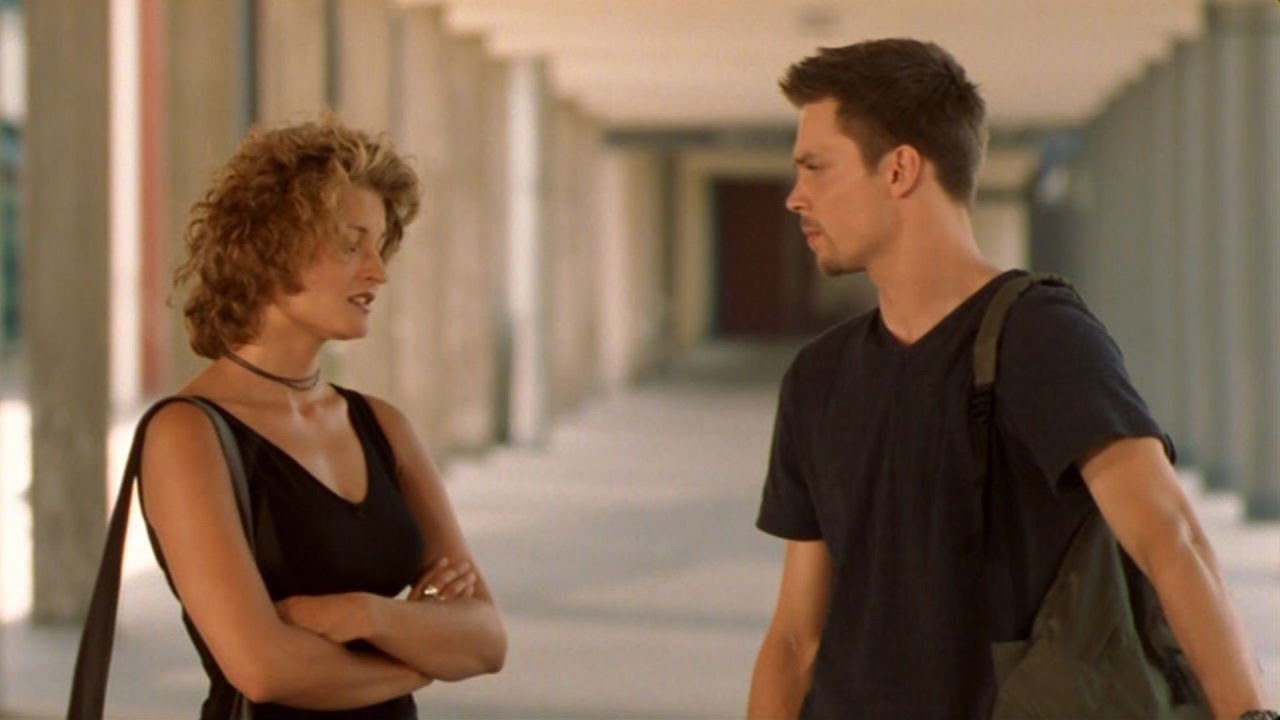
As much as it's about the complexities of the relationships and the emotions of this group of characters, Levottomat is about sex, and it approaches this theme with what is a typical Scandinavian frankness, at times bordering on hardcore. There are nude scenes that tend toward titillation, but for the most part these are character scenes, often about the emptiness for Ari of what ought to be a moment of connection. The best of these scenes may be the one between Ari and Hanna-Rikka. I got the sense that Hanna-Rikka is trying to adopt some of Ari's detachment, but finds that she can't (something that comes through strongly in the next scene).

For the first 80 minutes or so, Louhimies keeps everything grounded. His technique isn't sophisticated, but it's unobtrusive enough to serve the story. In the third act, however, as the characters convene for Ilona's wedding, things take a turn for the melodramatic and a few cringeworthy scenes ensue. This is the only time the actors seem out of sorts (Malmivaara in particular overacts a few late moments), but even here there are strong moments, such as a quiet scene between Nousiainen and Bjorklund.

On the whole, Levottomat is flawed, it feels like a debut, but there's also a degree to which it's okay for the film to be messy, because it's about people whose lives are messy. I'd like to see what Louhimies went on to from here, because for all the bits that clunk there is a lot of promise, especially in his work with actors. If you can, this is worth tracking down.

Dec 27, 2015

The 10 Best Films of 2015

Before we begin this year's list, a note on eligibility. I always want to have the broadest possible spread of films to choose from and I want to at least attempt to write about them when they are most relevant to the people reading. In order to try to do that I have quite broad, but quite specific, rules on how I decide whether films are eligible for this list (and the other Review of the Year posts). 

Of course any new film released for the first time in the UK during 2015 is eligible, whether it was a cinema release or direct to video in some fashion. The grey area comes with festivals. If a film I saw at a festival in 2015 hasn't opened in the UK, but has a distribution deal in place, I'll hold off and consider it eligible on UK release. If there is no distribution in place then I will cover it in this year's list. It's not a perfect system, but I think it works to give me the most choice and you the most interesting read.

10: A Most Violent Year 

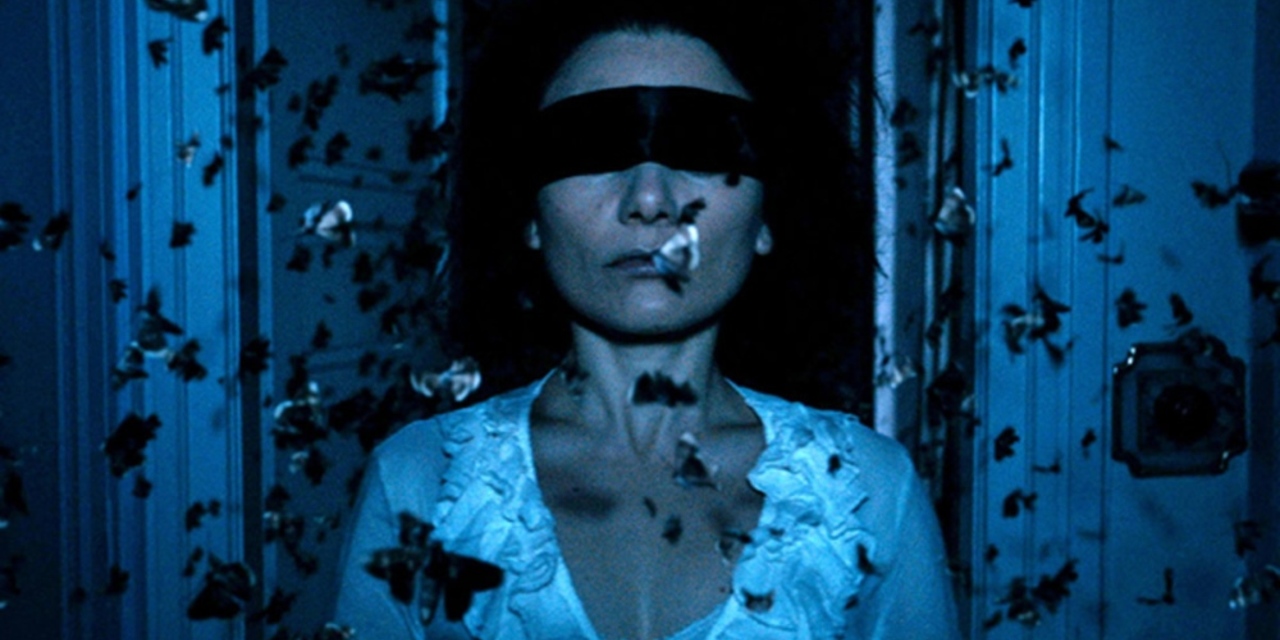
9: Blind

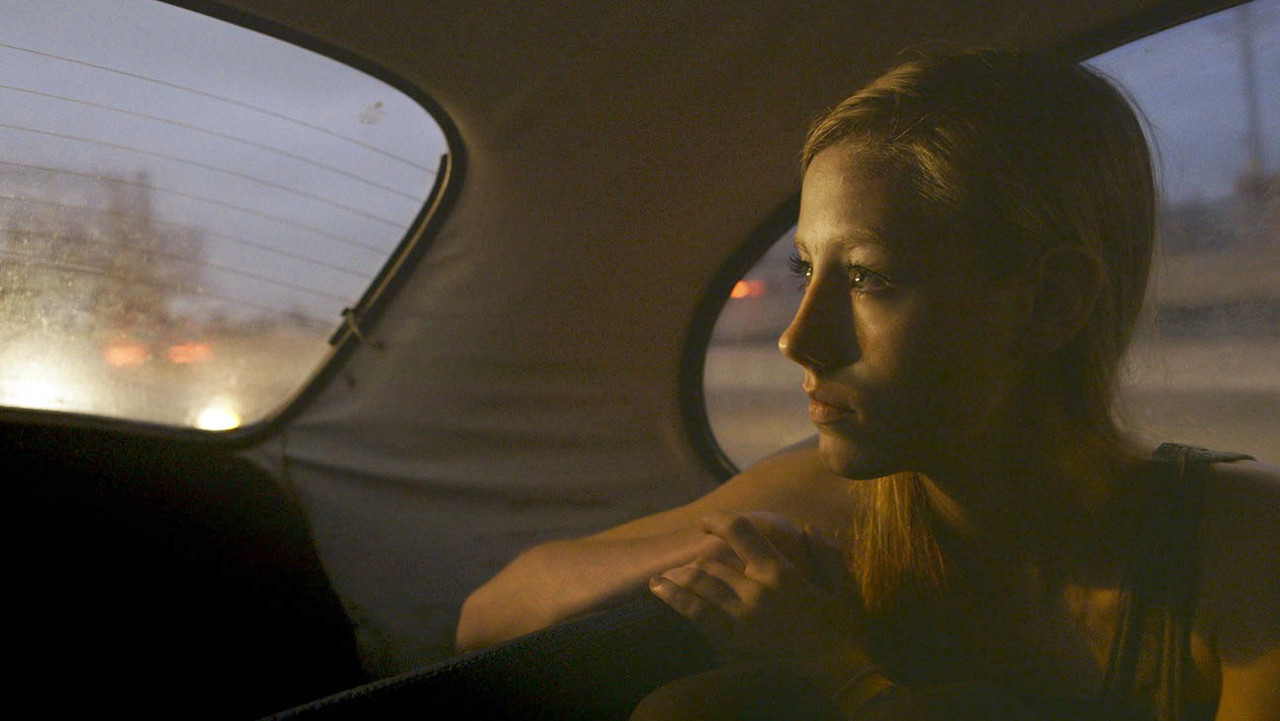
8: Take Me To The River
I have chosen these ten films because I think they represent, all round, the best I saw of the artform this year. That said, if there is a running theme this year (aside from the fact that, as ever, I suspect my list looks rather different to most of the others you've seen) it is the presence of some truly brilliant performances, in well-written and complex roles, by some great actresses. 

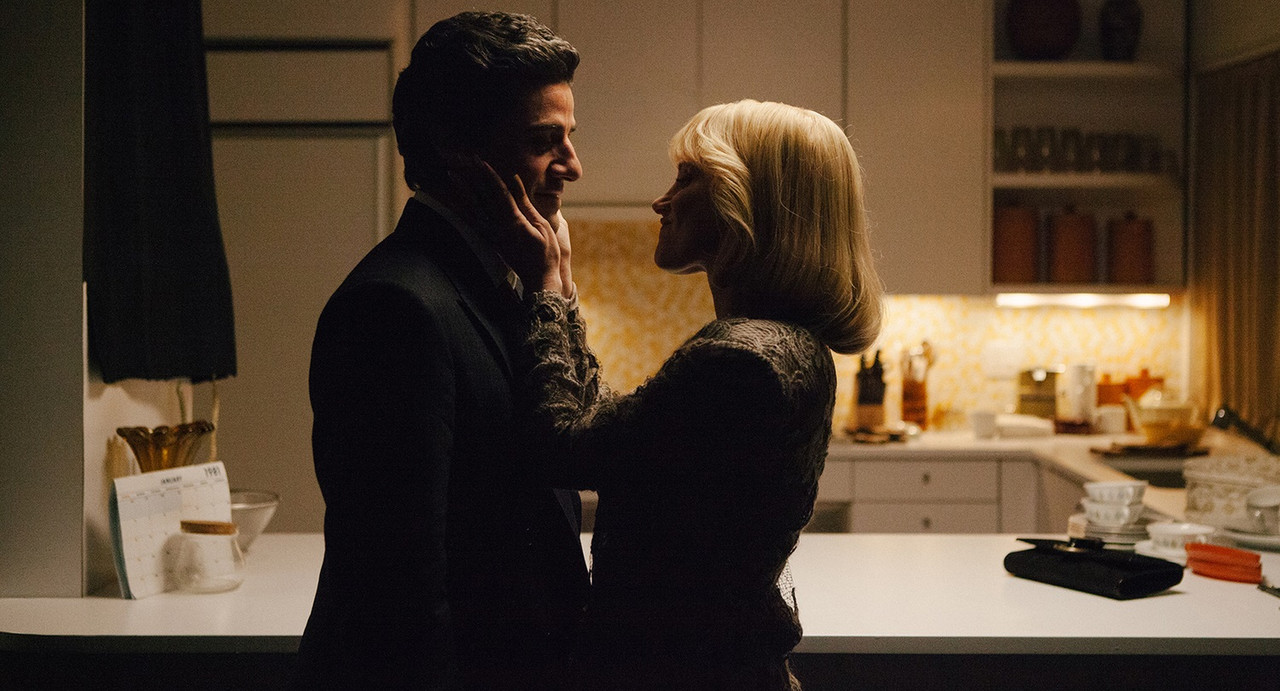
While it is true that Jessica Chastain's part in A Most Violent Year is a wife role, she certainly makes the most of it. She may be spoiled, she may be the secretary working away in the background of her husband's business, but Chastain's Anna has cold steel running through her veins. Just look at the way she deals with a DA when a birthday party at her house is interrupted by a search; the utter seriousness of purpose in her "this was very disrespectful" and the way she throws away her cigarette. In one line and one gesture you get a sense of how far this woman will go to protect those around her, including her husband, who may not be as comfortable with those threats.

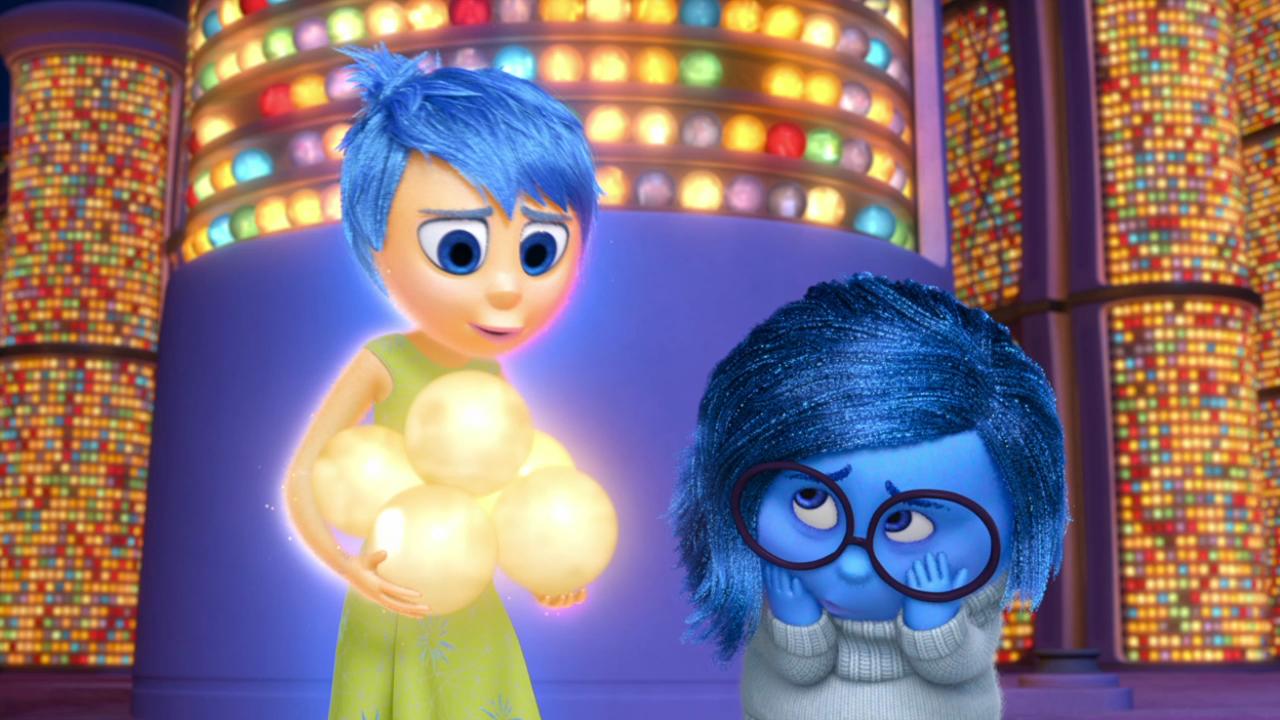
Among the other brilliant women in these films we have Amy Poehler, Phyllis Smith and Kaitlyn Dias in Inside Out. Joy and Sadness are the centre of the film, and Poehler and Smith have been justly lauded, but it's often forgotten how important Dias, as Riley's voice, is to the film. Joy and Sadness are just elements of a personality, Dias has to pull it all together and give us a sense of this 11 year old girl as a whole person. Given that the actors never recorded together it's a remarkably complementary set of performances.

7: Predestination

6: Petting Zoo

5: Inside Out
Elsewhere, we see promise from fresh talent like Devon Keller in Petting Zoo and the girls of Girlhood; all giving us portraits of lives lived on the the margins, perhaps with more promise than they'll ultimately fulfill. The environments and the specifics are different, but many of the emotions are similar and both films and both sets of actors give us a glimpse of something universally identifiable. Also in the new talent category is ten year old Ursula Parker in Take Me to the River. Her performance, like the whole film, beautifully balances a series of disturbing ambiguities, contributing hugely to the film's unsettling atmosphere which, for me. carried over long after the credits rolled.

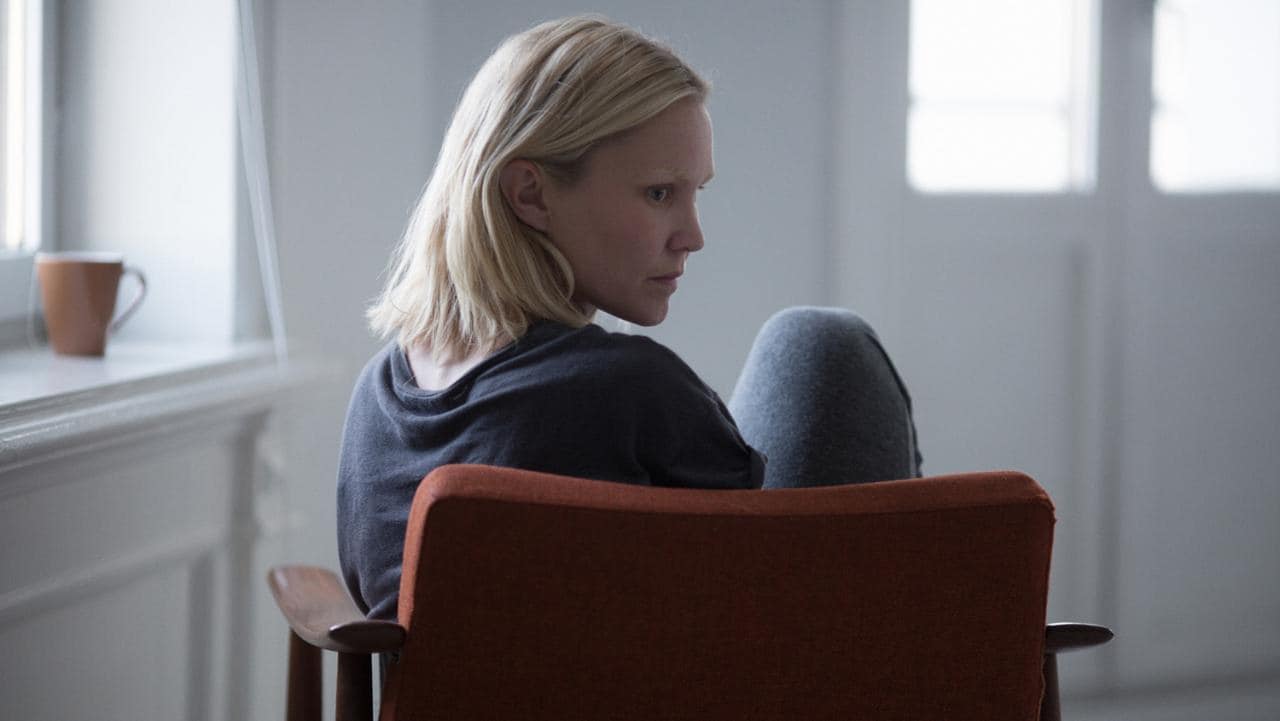
Actors with longer careers made powerful first impressions on me in Blind, The Duke of Burgundy and Predestination. Ellen Dorrit Petersen is an actress I now feel remiss for having not heard of before seeing Blind. Her performance as woman hallucinating and imagining her way through the trauma of having recently gone blind is revelatory, and the stuff awards would be made of if it were in English. The Duke of Burgundy is perhaps the film that makes the list mostly for its visuals, but that's not to take away from the performances of Sidse Babbet Knudsen and Chiara D'Anna, who take what, to most of us, would be seen as a truly unusual relationship and make it something evocative and touching, as well as drawing us in to the film's layers of metaphor. I talked about how extraoedinary Sarah Snook is in Predestination in the last post, but it bears repeating. There are so many layers, so many characters, in what she does in that film. We often talk of actors as chameleonic, but Snook completely earns the description.

4: Phoenix

3: The Duke of Burgundy

2: Girlhood  
Lastly we come to a couple of the best actresses working in European cinema, both of whom helped power their respective films to the upper echelons of my list this year.

What do I have left to say about Nina Hoss? "Superlative-defying" wouldn't be a bad description. Hoss is often at her best working with Christian Petzold and this may be their finest collaboration yet. A riff on Hitchcock's Vertigo, Phoenix puts the focus squarely on Nina Hoss' face. This is great in two respects. First, that face is just incredible; one of the most memorable, most interesting, in cinema right now. Secondly, Hoss can make the tiniest adjustments speak volumes. The whole film is a masterclass in a character articulating one thing but subtly showing us the audience another silently. The film's last ten minutes are especially exemplary in this regard, just watch Hoss as she meets people she hasn't seen in years at the station, and subsequently as she sings Speak Low, silently saying everything even as she sings. It's incredible work, but she makes it look easy.

1: The New Girlfriend
And so we arrive at the film of the year. It was touch and go: one contender became ineligible because it was an LFF title that ended up getting a UK distribution deal for 2016 (more on that in due course), and throughout the process of sorting this list out I have been torn between my top two choices. The New Girlfriend wins out because, great as it is, Girlhood is what it is, I love it on each watch, but for the same reasons and in the same way. The New Girlfriend has continued to deepen and to improve on rewatches, from an already excellent starting point.

Francois Ozon has been one of my favourite directors since a friend showed me Sitcom, not long after it was released on video and I've since seen every feature he's ever made and all but one of his shorts (Un Rose Entre Nous). This was a great return to peak form following the awful Jeune et Jolie. The New Girlfriend combines the two sides that Ozon's cinema used to have; there is plenty of the camp frivolity of his frothier work here, but it's all underpinned by character drama as affecting and as brilliantly played as in any of his more severe work.

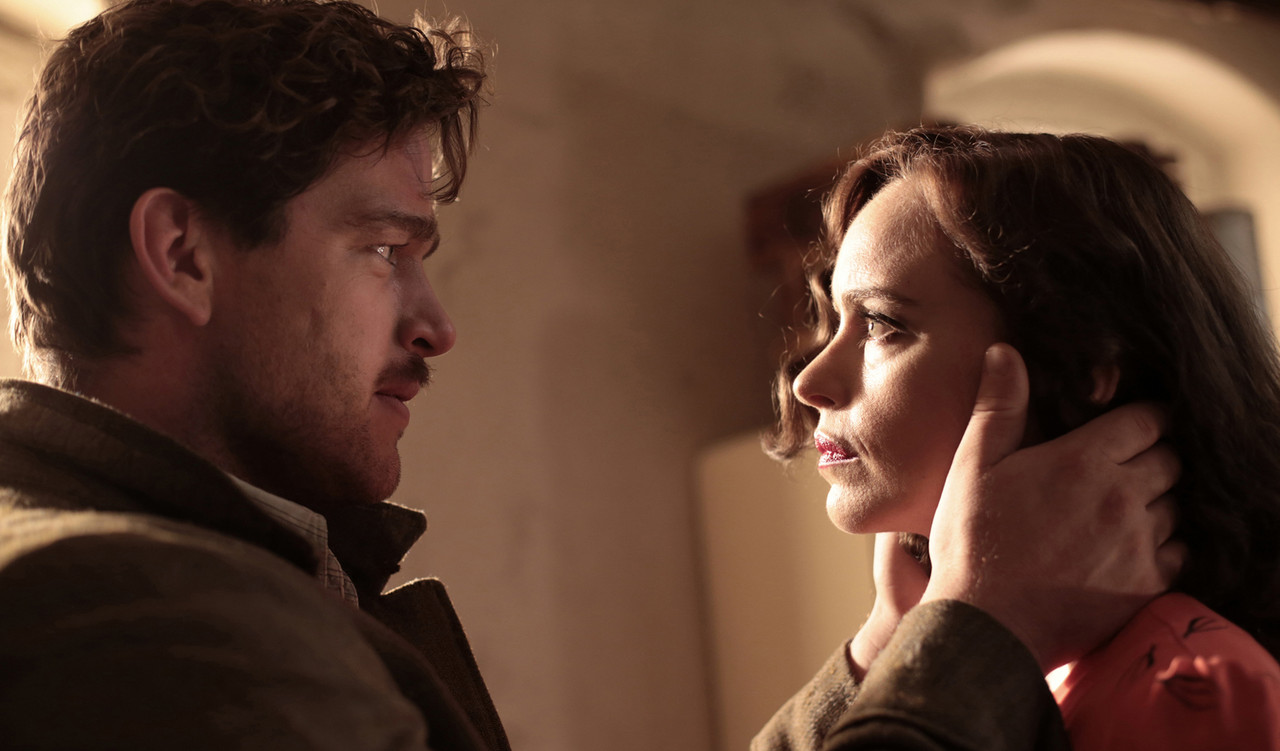
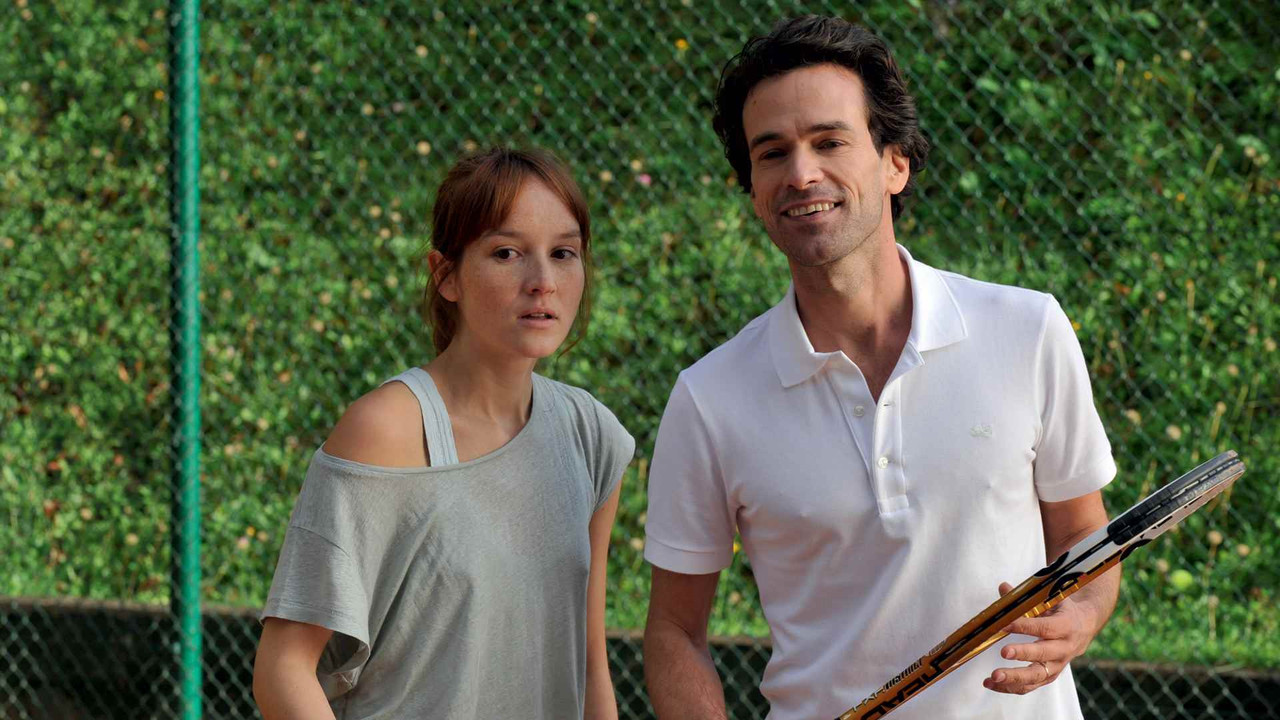
Anais Demoustier has been on my radar for a few years and has been consistently impressive, even when the films she's in don't entirely work (Elles), here, as Claire, she doesn't have the showy part, but in many ways it is she who is the centre of the film, discovering new feelings, new contexts in which to see both herself and David (Romain Duris), whose late wife (Isild LeBesco in a part that haunts the film beautifully, thanks to a surely Up inspired opening sequence) had been Claire's best friend.

David's solution to his pain is unorthodox, but it creates a gift of a role for Duris as David adopts the persona of Virginia and he and Claire begin to fall in love. Ozon and the actors balance tones beautifully. The film is broad and funny, but it's never laughing at how David is coping or at who he is, and Demoustier and Duris bring great detail and subtlety to their performances. Many moments stand out, but David going to wipe away some lipstick, forgetting he's not dressed as Virginia and Claire's reaction is great example of how the film is both funny and deepens character in a single motion.

This is a rich film, full of ideas about gender and sexuality (a pivotal sex scene is Ozon's most fraught depiction of these issues), about modern relationships and what family means and swimming in Ozon's auteurism. As a fan I find it hugely fascinating and rewarding, but I'm not saying it's the film of the year just for Ozon fans. Auteurist as it is, this one of Ozon's most accessible works and one that any audience should see something in. 

Dec 26, 2015

The 24FPS Awards 2015

It's not, in my estimation, been a good year, but this list of my personal awards for the past 12 months is at least reasonably varied (only one film wins in more than one category) and has thrown up a few surprises. This year the nominations in most categories weren't that hard to arrive at, the challenge was picking a winner. In multiple categories I found myself debating, chopping and changing the victor several times.

In a year of cinema that often struggled to impress me, every one of these nominees helped, in some small way, remind me why I write this site even in a year like this. None of them is making up the numbers; they all did great work and if I could write in detail about every nominee I would. I'd encourage you to see all the films on each of these lists, if just for the work of the person I've singled out.

Anyway, on with the show. Feel free to yell at me for not nominating Mad Max: Fury Road or [insert movie you loved here] in the comments or on @24FPSUK.


Best Director
Pete Docter: Inside Out
Francois Ozon: The New Girlfriend
Celine Sciamma: Girlhood
Peter Strickland: The Duke of Burgundy
Isao Takahata: The Tale of the Princess Kaguya

WINNER
Francois Ozon
Francois Ozon stumbled with his last film, Jeune et Jolie and I wondered whether, after almost 20 years, my favourite working director had finally lost his touch. The New Girlfriend not only confirms that Ozon has picked himself up again, it's a film that, on repeat viewings, reveals itself as one of his best (perhaps behind 5 X 2 and In The House). His balancing of tone is masterful as he draws together the melancholy, comedic and romantic threads of this unusual story and the work with the actors is as strong as ever. Anais Demoustier and Romain Duris give detail rich performances in which tiny moments speak very loudly. Finally, the whole film is beautifully and evocatively shot; Ozon's precise framing accentuating every emotion in the film. It's another great example of why I find his work so engaging and so exciting.


Best Actress
Anais Demoustier: The New Girlfriend
Sara Hagan: Sun Choke
Nina Hoss: Phoenix
Ellen Dorrit Petersen: Blind
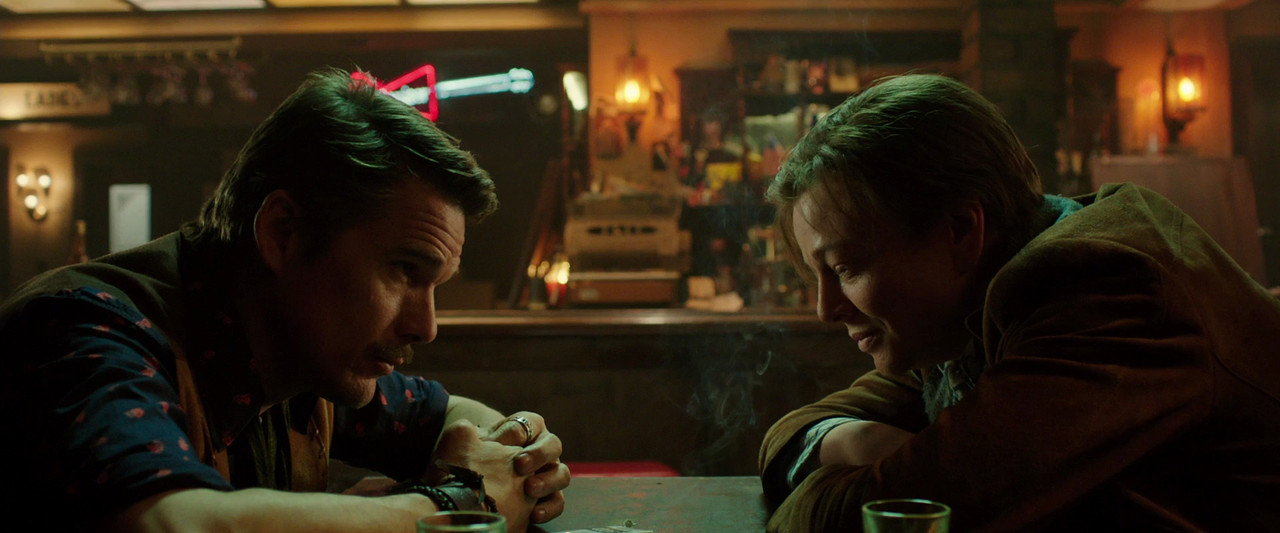
Sarah Snook: Predestination

WINNER
Sarah Snook
Talk about a performance that came out of nowhere. I picked up Predestination on DVD because I found it for £2 and Ethan Hawke is one of my favourite actors, the generic cover didn't bode well. When Sarah Snook (who I hadn't seen before) first appeared in the film it took me a while to twig even that the role was being played by a woman. To say that her role is demanding is to seriously understate matters, her character's persona and appearance shifts so profoundly, and her various roles intersect at such levels of complexity that the mere fact that she manages to draw an emotional throughline in her character is hugely impressive. To deliver such a chameleonic and affecting performance that repeatedly takes in jaw dropping twists with seeming ease is little short of brilliance. Predestination isn't the kind of film that gets in the conversation for big acting awards, but Snook blows most of the competition out of the water this year.


Best Actor
Tom Courtenay: 45 Years
Romain Duris: The New Girlfriend
Ethan Hawke: Predestination
Oscar Isaac: A Most Violent Year / Ex Machina
Logan Miller: Take Me to the River

WINNER
Oscar Isaac
It's taken me a long time to come round to Oscar Isaac, having first seen him slicing the ham very thick indeed in Ridley Scott's dreadful Robin Hood, which he then followed up with Sucker Punch: one of the ten worst films I've seen in this site's lifetime. I liked his performance more in Inside Llewyn Davis, but found the film extremely overrated and the character, well acted as he was, nigh insufferable, but for the first time I saw promise.

This year, Isaac delivered on that promise, with intense turns in two of the year's most intelligent dramas. A Most Violent Year is set in 1981, but its approach reaches back to the patiently paced and tense crime dramas of the 1970s. Isaac's performance as a man trying to remain moral despite the corruption around him is also redolent of that period; there are shades of a restrained Pacino or DeNiro here. Ex Machina is more forward looking and Isaac's brilliant but menacing programmer with a God complex has more notes than Michael Fassbender's take on a similar (real life) character. The performances are utterly different from one another and they've made me much more interested in where Isaac goes from here, as long as it's not Sucker Punch 2 or The Further Adventures of Robin Hood.


Best Supporting Actress
Barbara Crampton: Sun Choke
Kim Sae-ron: A Girl At My Door
Angeliki Papoulia: The Lobster
Assa Sylla: Girlhood

WINNER
Assa Sylla
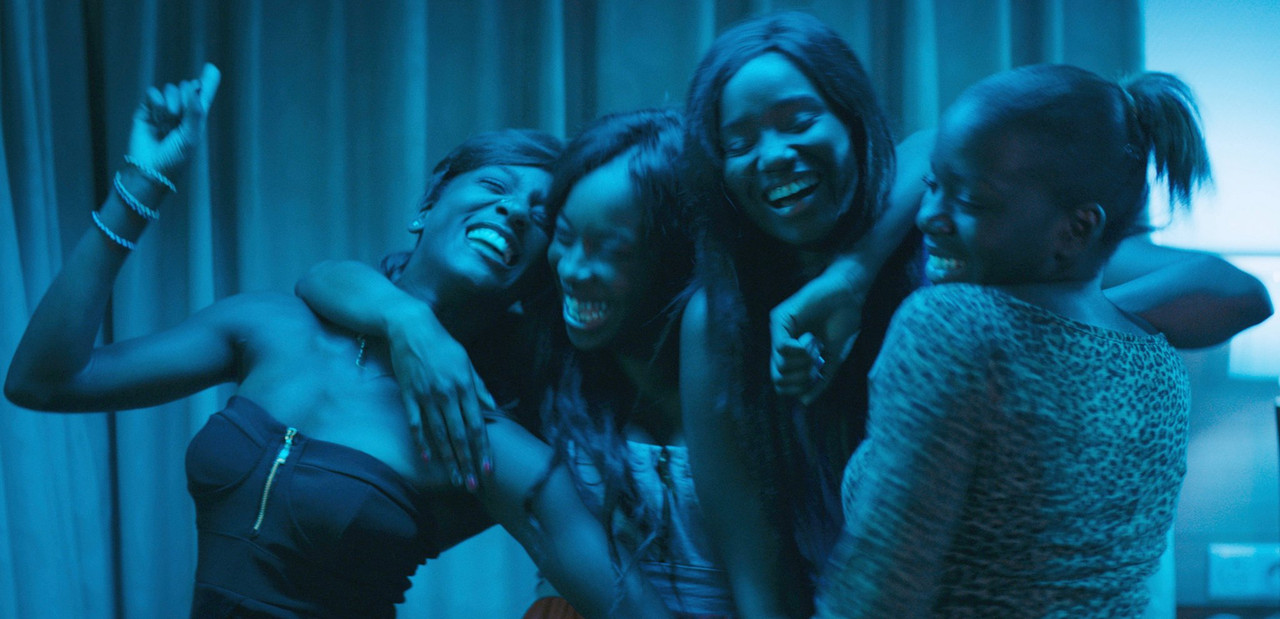
Sylla, like the rest of the young cast, had not acted prior to being cast in Girlhood but, great as lead Karidja Toure is as Marieme, Sylla's sheer presence often sees her dominate scenes in which all four of the girl gang led by her character 'Lady' appear. Silently and quickly she shifts from menacing to playful, from fierce to funny. It would have been easy to write and play the girls of this gang of banlieu badasses as caricatures of troubled kids, to make them one note wannabe gangstas. Lady and her cohorts are much more than that, and it's in this variety that Sylla delivers. Her interactions with Marieme go through several phases; first confrontational, then friendly, then genuinely open and caring, and watching her play on these registers within the same scene you see how versatile she is.

Some of this may be taught, directed out of Sylla by Celine Sciamma. What isn't, what can't be, is her immense charisma. Sylla has it to burn. Just look at the image above (from the film's standout scene) and tell me that's not someone you immediately want to see more of.


Best Supporting Actor
Jeff Daniels: Steve Jobs
Richard Kind: Inside Out
David Morse: The Boy
Michael Shannon: 99 Homes

WINNER
Richard Kind
Several of my favourite actors are in this category this year, but it's an actor who can best be described - at least as I've always seen him - with the words "Oh, that guy. He's great" who is the ultimate winner. Richard Kind has done a lot of voice work (including giving Tom an incredibly pointless and ill fitting voice in Tom and Jerry: The Movie), but I doubt he's ever been better or more affecting than he is as Bing Bong, the long abandoned imaginary friend of 12 year old Riley, in whose mind most of Inside Out takes place. Kind's voice is warm, friendly and just a little silly. He makes Bing Bong the kind of thing we can imagine a little girl dreaming up as a playmate, but also gives him a rich inner life and sense both of optimism and deep longing.

Bing Bong's final scene, sacrificing himself to allow Joy to go and save Riley, capped with a truly heartbreaking read on "Take her to the moon for me" not only engages us with Bing Bong and with Riley, but makes us reflect on the imaginary friends we may have forgotten over the years. Kind's performance helps make the film personal for the whole audience. 


One To Watch [Actors]
Jared Breeze: The Boy
Devon Keller: Petting Zoo
Laurence Leboeuf: Turbo Kid
Ursula Parker: Take Me to the River
Charlie Plummer: King Jack

WINNER
Devon Keller
This is, as is appropriate to the category, a very young group (the eldest is Laurence Lebeouf, who has been making films for some time, but broke through as the winningly nuts Apple in Turbo Kid). It's also perhaps no surprise that four of these five films could, to some degree, be called coming of age movies. 

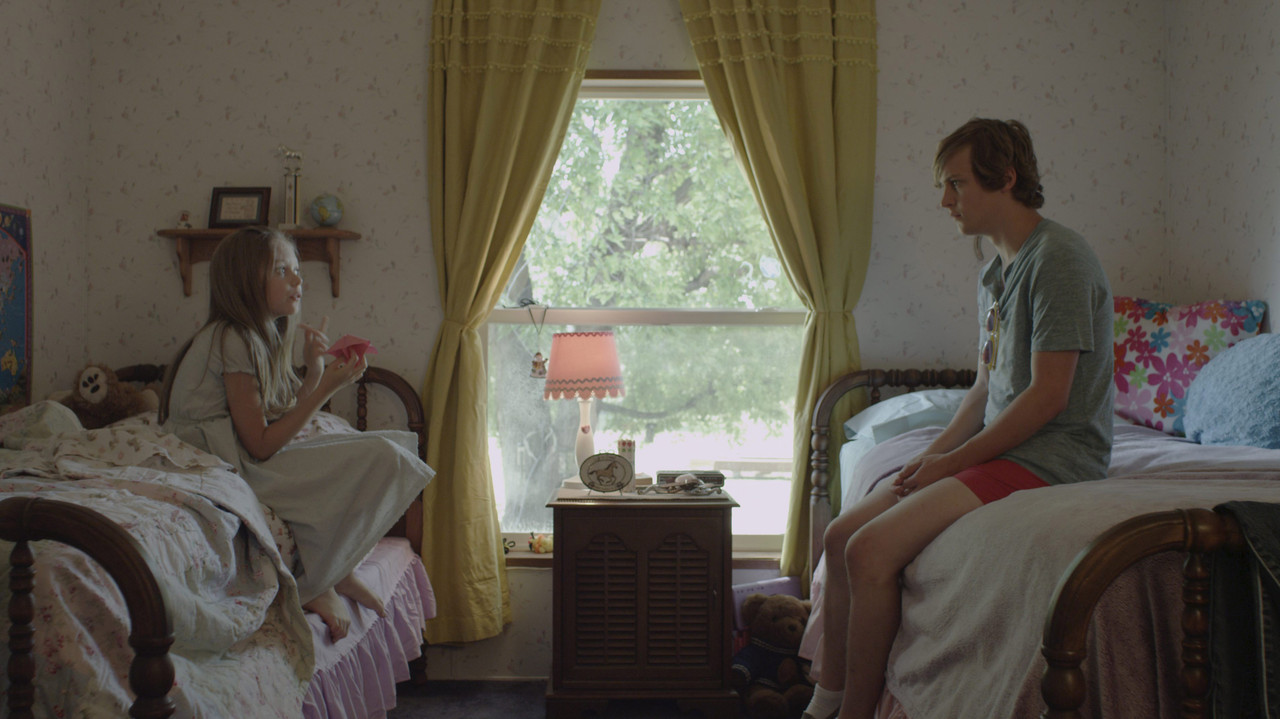
Petting Zoo is perhaps the most naturalistic of these films and of the performances. Devon Keller was spotted by director Micah Magee at a fashion show at the school where the film was shot (and which Keller graduated from just before making the film). Keller, perhaps thanks to the closeness of the setting and the character, seems utterly at home in Layla's skin. She hits a lot of registers in this performance, but always convincingly, and for all Layla's sharp edges, her intelligence comes through and she's never less than sympathetic. Keller is at her best late in the film as she turns on a dime between some of the film's lightest material, as Layla is given a driving lesson by her new boyfriend, and some of it's heaviest, as she tells him she's pregnant with someone else's child. Keller's unforced naturalism throughout Petting Zoo is hugely promising, and I hope to see much more of her.


One To Watch [Filmmakers]
Akiz: Der Nachtmahr
Ben Cresciman: Sun Choke
Micah Magee: Petting Zoo
Gez Medinger, Robin Schmidt: AfterDeath

WINNER
Ben Cresciman
Sun Choke came out of nowhere and knocked a lot of people over at Frightfest and as a first feature from writer/director Ben Cresciman it's pretty startling, largely for not feeling like a debut. Cresciman doesn't appear to be feeling out his style here, or unsure what he's saying (even if sometimes wants us to be), and that's often the mark of someone who it's worth keeping an eye on going forward.

Sun Choke is full of striking images. The light saturated moments that seem to draw most literally on the title, the cold images of the house where Sara Hagan and Barbara Crampton spend most of the film (a motif reflected in the pitch of Crampton's performance) and the more conventional horror images, such as a viscerally nasty murder that closes the second act. These bring a mix of tones that works brilliantly for the film. As you'll probably have guessed from the other categories, there is also much to admire about Cresciman's handling of his small cast (even Sara Malakul Lane, in a role that is purely decorative for much of the running time, does good work). 

Overall, Sun Choke is both one of the best films of the year and a hugely impressive calling card. I'm looking forward to whatever Cresciman does next.


Best Cinematography / Visuals
Crimson Peak
The Duke of Burgundy
The Forbidden Room
Girlhood
The Tale of the Princess Kaguya

WINNER
The Tale of the Princess Kaguya
Every one of these films is visually stunning. I came incredibly close (as in I'd started writing the summary) to giving the award to another film, but ultimately it's the handmade, effortful, artistry of Isao Takahata's film that wins out.

The style of Kaguya's animation often lends the film an impressionistic feel. At times it feels like an artists's sketchbook come to life, but that's not to say it feels unfinished. In many ways the animation is perhaps more effective for all its roughness, you can feel the work in every brush stroke and the varying qualities of the drawing enables Takahata and his team to suggest emotion not just through the expressions the characters make, but through the way they're rendered. 

This is never more true than when Kaguya runs away from her wedding; the drawings become smudges, reflecting both the speed of her intended escape and the emotional turmoil she's in. It's one of the year's standout sequences and one of the most affecting bits of animation I've seen for ages.


Best Screenplay
Celine Sciamma: Girlhood
Pete Docter, Meg LeFauve, Josh Cooley: Inside Out
J.C Chandor: A Most Violent Year
Francois Ozon: The New Girlfriend
Christian Petzold, Harun Farocki: Phoenix

WINNER
Inside Out
Pixar have been pretty seriously off the boil since the wonderful Toy Story 3, but in 2015 they recaptured their mojo with Inside Out. Long time readers will know that I'm a huge fan of coming of age cinema, and Inside Out is perhaps the most unique entry in the genre for years. It takes a look at the process from the inside, with Joy, Sadness and the audience watching as 11 year old Riley processes the world, retaining what she needs and literally discarding what, at 11, she's outgrown.

The visuals used to bring this interior world to life are stunning, but it's the sharpness of the writing, which makes complex concepts relateable and funny for adults and kids alike while, in the outside world, creating a believable and affecting family story, that makes Inside Out so special. The screenplay has it all, from gorgeous emotional moments (the opening moments killed me) to cleverly written set pieces (Abstract thought) and some hilarious throwaway jokes ("GIRL! GIRL!"), all tied together by the brilliant concept and characters.


Best Score / Use of Music
Click the links for a clip or a song. The Tami Tamaki song is VERY NSFW.
Girlhood: Score by Para One / Use of Light Asylum, Rhianna
Phoenix: Nina Hoss sings Speak Low
The Skeleton Twins: Starship Karaoke
Something Must Break: Use of "I Never Loved This Hard This Fast Before" by Tami Tamaki
Turbo Kid: Score by Le Matos

WINNER
Phoenix
There is a lot to be said, in cinema and in music, for simplicity. This scene from Phoenix speaks to the power that simplicity can convey. The scene consists of three shots that Christian Petzold cuts between and two performances, both superlative. The moment the music cuts out and we see the expression on Ronald Zehrfeld's face is one of the most powerful of this entire year of cinema, and the clarity of Nina Hoss' voice, the way it cuts so beautifully through everything draws both the scene and, as this is the film's closing moment, the story as whole, together with incredible power. It's a jaw dropping moment, perhaps the best of either Petzold or Hoss' estimable careers.


Best Scene
Diamonds: Girlhood
Bing Bong: Inside Out
"This was very disrespectful": A Most Violent Year
Sex scene: The New Girlfriend
Driving Lesson: Petting Zoo

WINNER
The New Girlfriend
Francois Ozon has long used sex scenes as a dramatic device in his films. Much of his work is explicit and involves a lot of nudity and sex, but those scenes are always about advancing character. I don't think that's ever been more true than in The New Girlfriend, especially in its second sex scene, the first between Claire (Anais Demoustier) and David/Virginia (Romain Duris). 

Throughout the film, Ozon has deftly led us to a place where this moment is inevitable, what it becomes is the film's most emotionally fraught moment. It's cathartic yet confusing for the characters. Shifting identities are a huge part of Ozon's ouvre and especially of this film, but he's never visualised it so nakedly and with such impact. It's an identity crisis of the most intimate sort, and it, along with many other scenes, has stuck in my head since I saw The New Girlfriend at LFF 2014.


Biggest (and best) Surprise
The DUFF
The Final Girls
Landmine Goes Click
Sun Choke
Unfriended

WINNER 
Unfriended
I expected less than nothing from Unfriended. A real time, essentially found footage, horror film that takes place entirely in the visual space of a Mac desktop. It sounded dull and like it would be the cheapest, most visually uninspiring, horror of this year and perhaps many to come. While it may not be the best film on this list, I was genuinely shocked by how good it is. Unfriended gives us two things that feel truly rare in what passes for mainstream American horror now: effort and invention.

There is an argument that not all films need to be seen in a cinema, but this may be the first film I would actively recommend watching not on a cinema or even a TV screen, but on your laptop. There is an ambience that watching Unfriended via your own computer (especially if it's a Mac) lends it. I found that it sucked me into the visual space, which is inventively used, making the film more involving and scarier. I wonder how it will date, but as a movie of the moment, Unfriended is involving, largely credible, and entirely surprising in its quality.

Dec 23, 2015

Star Wars: The Force Awakens [2D] [12A]

Dir: JJ Abrams
I'm not a big Star Wars fan. Like most movie lovers born post 1977 I did, to some degree, grow up on the original trilogy, but these days those films - much as I respect The Empire Strikes Back - hold little importance for me. The relationship I had to them last time I saw them was like meeting an old primary school friend for the first time in twenty years and realising you don't have much to say to each other anymore. It's not that they're suddenly bad films (well, except Jedi, though I reject the word 'suddenly' there), but they have no great relevance to me any more.

Given this, I was entirely ambivalent about seeing The Force Awakens; the seventh chapter of the saga and the first to be made without any input from franchise creator George Lucas. Ultimately I saw it because it was the screening that fitted into my day at the cinema.

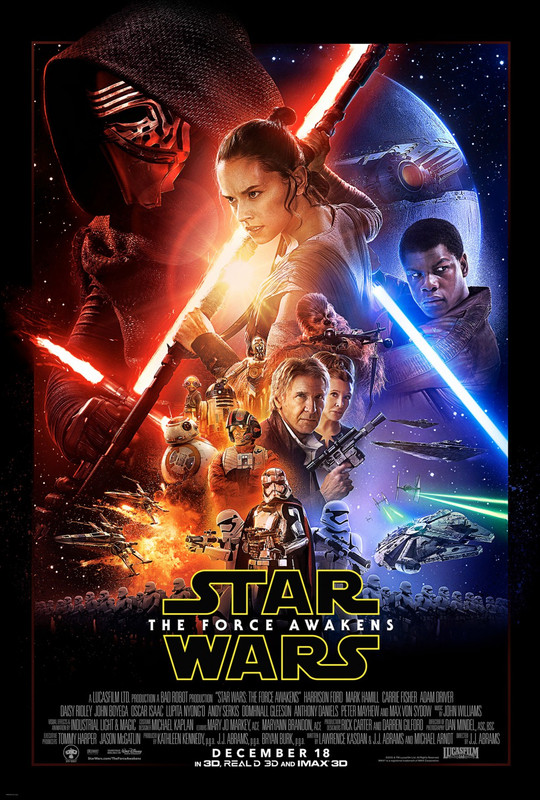
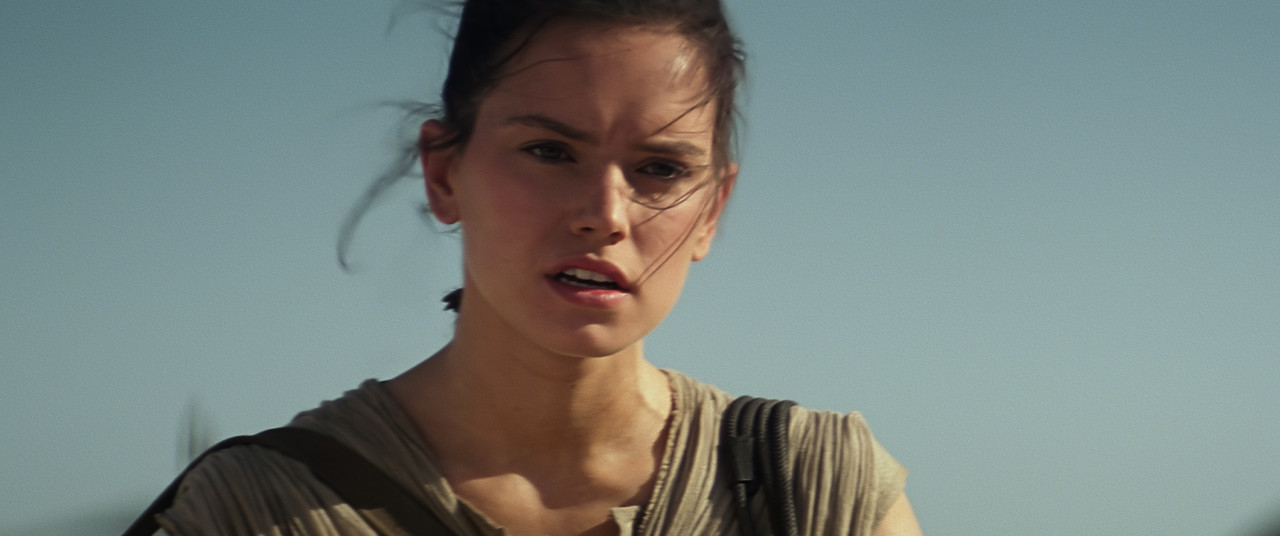
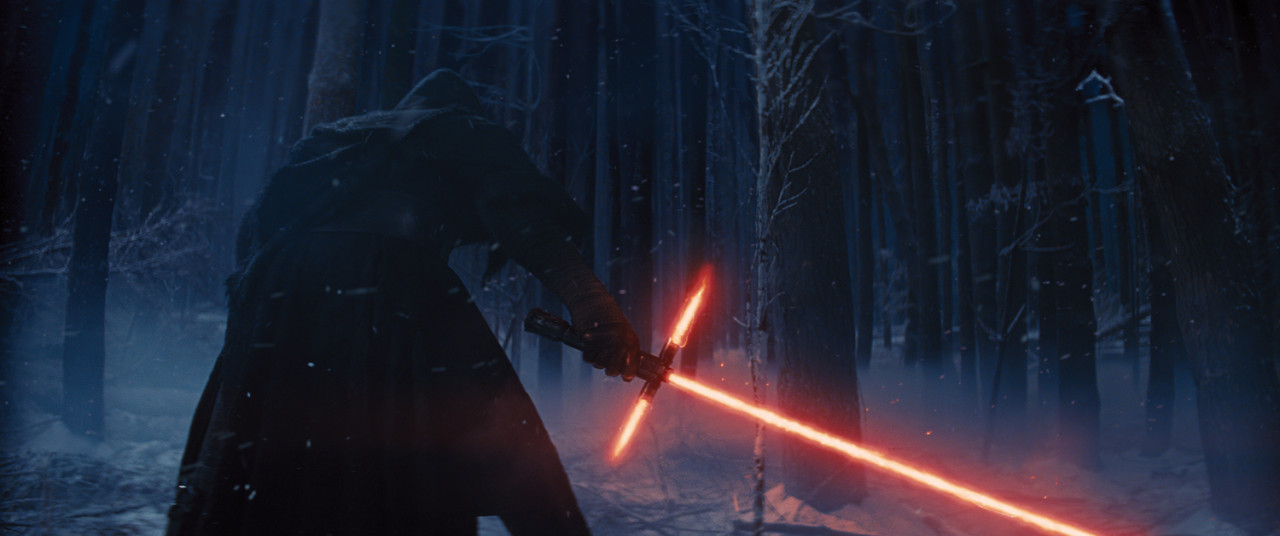
The film picks up 30 years after the events of Return of the Jedi. Luke Skywalker is missing, presumed (in some quarters) dead and a new power; The First Order has risen in place of the Empire. Early on a stormtrooper, soon renamed Finn, (John Boyega) abandons his post and he, a scavenger named Rey (Daisy Ridley) and a droid called BB-8 become targets for Kylo Ren (Adam Driver), the most powerful Jedi in the First Order. This throws them into an adventure that also involves many of the characters from the original trilogy.

The good news is that if you're a Star Wars fan then I imagine that The Force Awakens is everything you'd ever dreamed it would be and then some. At the very least, even for a non-fan like myself, this is largely a very entertaining and engaging film, one that deserves to sit near the top of the pile in the franchise. It is, however, flawed in a lot of ways.

Let's start with the good stuff, because for the first time in the recent history of the franchise, there's plenty to say. The film gets off to a flying start. Minutes in we get our first glimpse of the First Order in action, with Kylo Ren and chrome suited Stormtrooper commander Captain Phamsa (Gwendoline Christie) established in short order as a credible and serious threats. All of the new characters are introduced well, with Boyega's conflicted Stormtrooper immediately signaling something more morally interesting about this entry. In a franchise that has often tended to draw good and bad as two sides of a coin, the moral uncertainty of this character, and perhaps another, is solid new ground to tread.

After the text crawl (no mention of taxes), the film is on rails for a while. The first 45 minutes are breathless. Abrams introduces new characters quickly, trusts us to read their place in the film's world, and spends more time giving them at least a semblance of depth than setting the pieces. The action also flows well during this time, with large scale scenes like the opening first order attack complemented well by smaller beats such as Rey and Finn's first meeting. 

By this time we've already established that Rey has been fending for herself in the deserts of Jakku for some time, but here we also see that she can fight and we soon learn that she is also skilled with machines and can fly a spacecraft. This combination of skills has led some to see Rey as a Mary Sue. I've always seen this as describing a character with little or no personality who magically saves the day and is there as a blank for the audience to pour themselves into in place of a main character with actual traits. These characters are prevalent in YA cinema, but Rey is not one. Her strength and intelligence come through in Ridley's performance from the off, and her growth in confidence is both organic and well played. Her saving the day on Jakku comes across as something she digs into herself and finds the resources and confidence to do. That is a plot point, of course, but her growing abilities add to her character rather than serving as a replacement for it. Her very growth is also how she's no Mary Sue. They don't have to grow at all; the story already thinks they're perfect.

The best part of both this first act and, for much of the running time, the film as a whole is the chemistry between Boyega and Ridley. Boyega has a magnetic screen presence and as Finn grows in character the mutual connection between him and Rey becomes more powerful and better played with each scene. I found myself invested in their friendship and in the way it grew through the action. To go into much of this would be to stray into spoiler territory, but I love the way the plot turns towards the end of the film, definitively away from any damsel in distress trope.

Adam Driver (and his costume designer) manage a menacing turn as Kylo Ren, which Driver sometimes, fascinatingly, turns into an immature petulance which is frightening in a different way than Darth Vader ever was. Vader was all control, Ren might fly off the handle at any time and that makes him a true threat. 

However, not all of the new characters work. Captain Phasma, cool as she looks, is sadly underused and almost literally tossed away in the third act and Lupita Nyong'O's Maz Kanata, while no Jar Jar, is a rather weightless CG creation and exists only as an expository prop, otherwise a rare quality here.  The true disappointment comes from two of the other lead villains. The all CG Supreme Leader Snoke (Andy Serkis) is by far the film's worst effect, and holds little character or menace, while Domhnall Gleeson, as General Hux, pushes the boat out so far in his Nuremberg inspired speech that for me he inspired sniggers rather than unease.

When it's forward looking, seeking out the future of the franchise, The Force Awakens counts as one of my better and bigger surprises of 2015. Less so when it looks back. In a way it does this constantly; the shape of the film is so close to that of A New Hope that it sometimes feels like a remake. However, it's when the film really starts trying to hit the nostalgia buttons that, for me, it loses something. 

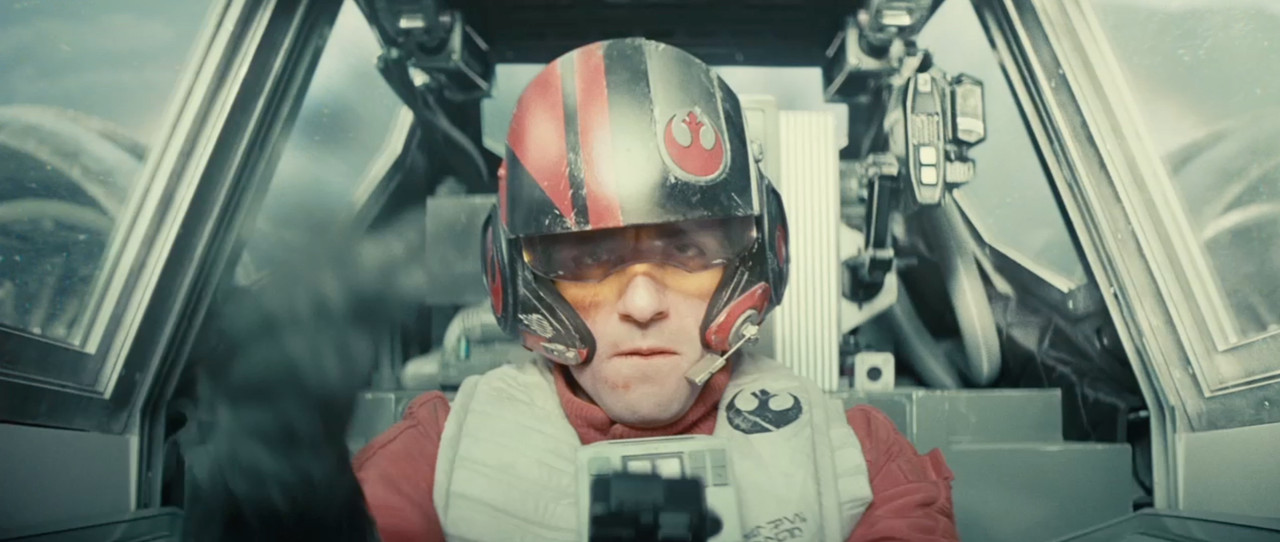
Harrison Ford's Han Solo has by far the most screen time of any of the returning characters. Ford has seemed, for some time now, to be tired of the film business and to be in it solely for the clearly absurd amounts of money. He's more animated here than he's been for a while, the character fits him like a rumpled suit and that, along with the weariness we sometimes feel from him, works for Han. What works less well is his introduction, which gives us a long setpiece that goes nowhere and never pays off, it seems only to be there to give the leads of The Raid a cameo. Han's scenes also lean a bit hard on the callbacks (as does much of the stuff with the old characters), though never to an extent that would exclude newcomers. Having Han and the other old characters does serve to accentuate just how closely, almost beat for beat, the film hews to A New Hope, and over 30 years you'd have hoped to see perhaps a little more evolution in Han and Leia (a returning Carrie Fisher). A plot twist I can't give away, though it's not at all unexpected, adds a little depth and gives us an outstanding scene late in the film, but otherwise I found Han and Chewie much less engaging than the new characters, especially now that we have Oscar Isaac, in a charismatic turn as heroic pilot Poe Dameron.

The similarities to A New Hope become problematic in the third act. The final dogfight scenes, impressively realised though they are, feel like we've seen them before, so similar is the goal and even the methods to those we saw in Episode 4. I found myself groaning inwardly every time we cut away from Ren, Finn and Rey to go to the aerial battle. 

JJ Abrams largely does a good job behind the camera. Usually I might say that a director failing to stamp his visual authority on a film was a problem, but in Abrams case it's a blessing, His beloved lens flare, which so marred Super 8 and both his Star Trek films, is almost entirely absent here, instead he surrenders to the look of the world of Star Wars. I always felt that the series' best aspect was the production design, and The Force Awakens is no slouch in that department, weird and wonderful creatures abound and the costume design, especially the intelligent updating of the Stormtroopers and Kylo Ren's instantly iconic mask, is superb throughout. That said, I'm not sure why people are going so nuts about BB8, it's just R2D2 crossed with a beachball. Abrams only drops the ball occasionally, but the slowdown of the second act, especially the long interlude with Maz Kanata, is disappointing after the relentless first 45 minutes. There are probably ten minutes that could be tightened here to bring the film, pre credits, under two hours.

Abrams seems acutely aware of what the fans will want and he goes out of his way to try to give it to them, both in what he includes and what he excludes. The slapstick comedy of the prequels and the dramatic tonal shifts it caused are largely absent. There's no equivalent to Jar Jar Binks, no discussion of trade routes and blessedly limited exposure to C3PO (though he is still teeth-grindingly irritating when he appears). I think he's achieved what they will want him to have achieved, and that's all you can ask of him, other than a closing shot to send shivers of anticipation up their spines. He's also got that.

For me, The Force Awakens isn't a triumph, but it's a lot better than I expected and the best entry in the franchise bar The Empire Strikes Back. I think its flaws feel deeper for me because Star Wars just doesn't mean to me what it does to many people. Feel free to add a star to my grade if it does to you (I came close to doing so myself). I do, however, understand what fans see in this film. Much of it is a great entertainment and more than that it respects the series and the people who love it. The Indiana Jones series is for me what Star Wars is for the crowd this film is for and so I'll close with this: If Indiana Jones and the Kingdom of the Crystal Skull had recaptured this much of what was good about the original trilogy, I'd have been ecstatic.
★★★
Dec 14, 2015

24FPS' 10 Worst Films of 2015

I had a shorter list of terrible films to choose from this year than usual. I think there are two reasons for this. 

First, it was a middling year on the whole, with many average to very good films, but few that broke through, for me, either to excellence or awfulness. 

Second, I changed the way I watch movies this year. For many years I had an annual pass for the UK's largest multiplex chain. This year I switched that for a similar deal with Curzon, whose programming is more eclectic. As a result I missed much of the year's mainstream fare after April. I say missed, but that's a lie, I can't say there was a single major release that I truly regret not catching. I think this switch in my viewing has led to a much better average among the films I saw in 2015 as opposed to recent years. 

All this said, the pickings for this list, though slim, were rich indeed and I had to drop some films I truly will miss from this countdown. Make no mistake, these 10 movies are all pretty awful, some made me extremely angry, and I'd be happy to never see any of them again.

10:  Rosewater
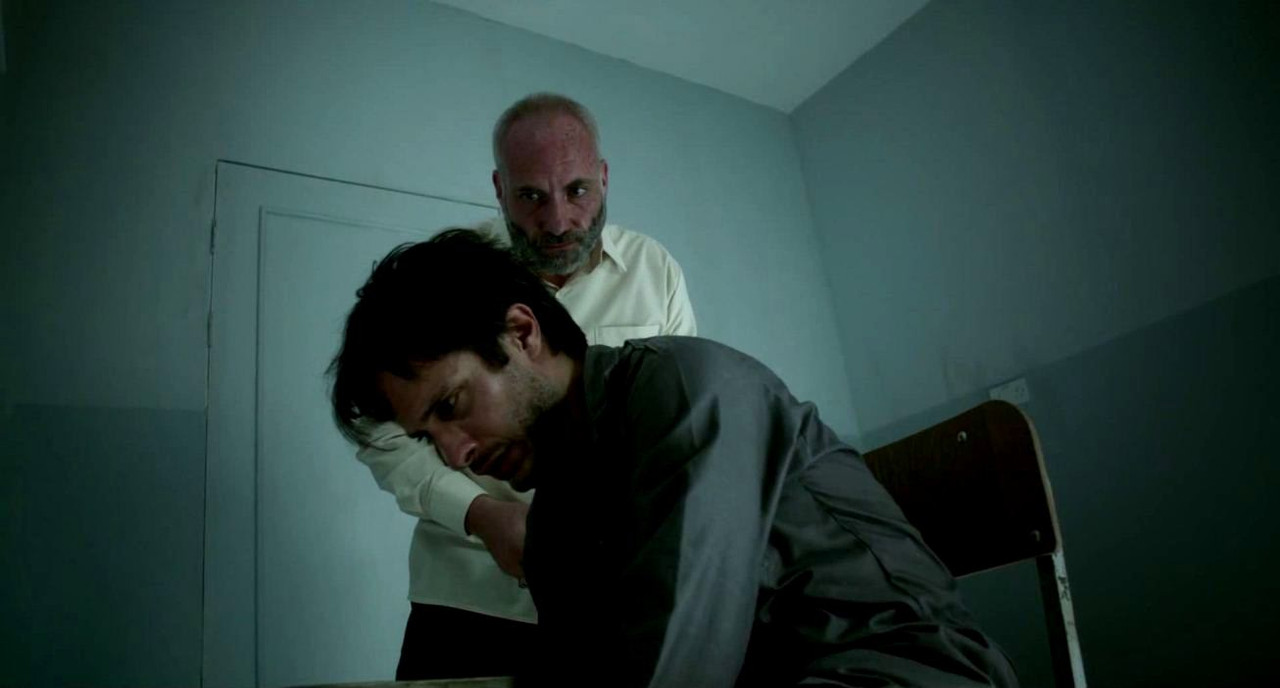
Jon Stewart's directorial début is a disappointment rather than a truly awful film, it strives for importance, but its impact is lost in uninspired directorial choices. The story of the imprisonment and interrogation of Iranian journalist Maziar Bahari (played by Gael Garcia Bernal) is impactful enough on its own, without the mawkish scenes of him hallucinating images of his Father and Sister.  When Stewart pulls back and just allows the situation to speak for itself (as when Bahari gets to speak to his pregnant wife on the phone), we get glimpses of what the film could have been, but all too often the directorial inexperience and the weight of Stewart's tangential personal involvement in the story hobbles it.

Aside from this, the language of the film proved a disconnect for me. The Iranian main characters are played by a Mexican (Bernal) and a Dane (Kim Bodnia as the interrogator), and all the dialogue is in English, not only does this confuse a few moments when you wonder how much Bernal's captors understand, but it created a distance for me, an awareness of watching actors rather than being sucked into a situation. This is an Iranian story, it feels wrong in English.

It's a pity that this doesn't come off, it's a deeply sincere film, but undone by inexperience.

9: What We Become
This is going to be a recurring theme on this year's worst list, but the main reason that What We Become has ended up here isn't because it's one of the worst films ever made - it's entirely competently acted and shot - it's because there is not one single frame of it that I haven't seen before. This Danish zombie/pandemic film draws quite heavily on Chris Gorak's underrated Right At Your Door and very heavily on every zombie movie ever made.

The film shuffles forward, seldom dull, but never truly engaging either, and never remotely original. Every scene, every shot, could have been drawn from somewhere else and a hackneyed horror film doesn't magically become better because it's not in English.

8: Me and Earl and the Dying Girl
Well, it's better than last year's godawful cancer movie. Just. Me and Earl and the Dying Girl (the more I type that title the more I hate it) has many of the familiar problems of young adult literature adaptations, most pressingly the fact that its characters have no personality. As the Dying Girl of the title Olivia Cooke has a tumour and a small assemblage of quirks where her character's personality should be and worse, what personality she does develop largely comes in the last 10 minutes of the film, entirely in service of the male lead.

That male lead (Thomas Mann as Greg), is both an annoying character - it's another movie that forces me to hang out with an asshole I'd rather avoid, without him being very interesting - and a weak performance. Mann is flat and affectless throughout, which completely undermines the connection he should be developing with Cooke's Rachel.

While it has a few moments of wit, thanks to the parody films that Greg [Me] and Earl make together (well, their titles anyway), the film's overwhelming tweeness drowns out the few moments of promise.

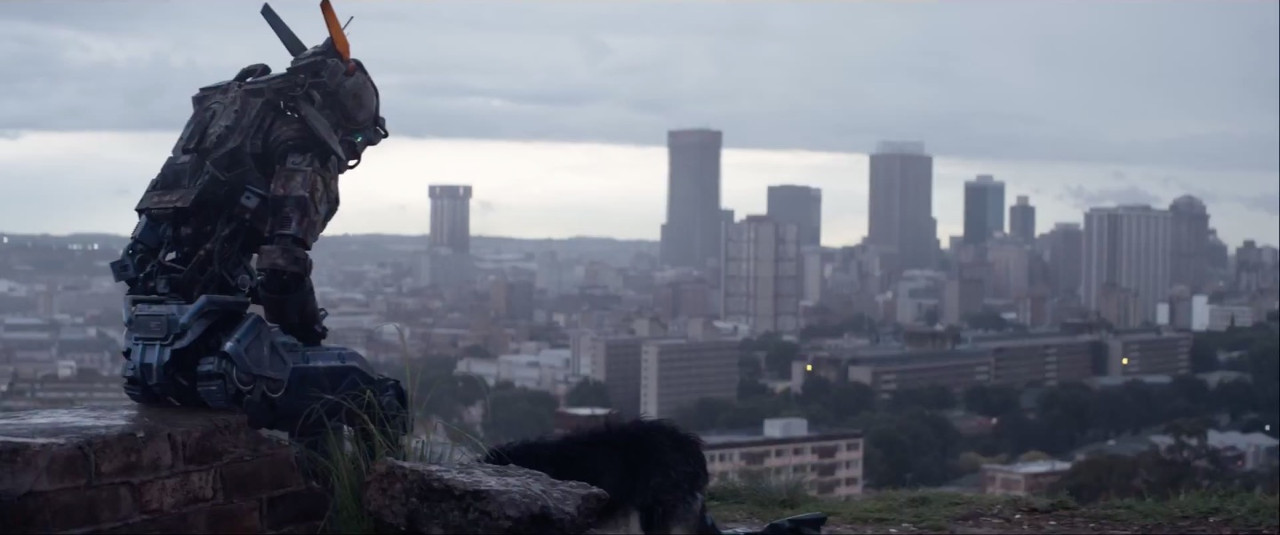
7: Chappie
Three films in, Neill Blomkamp has half a great movie to his name. It's not half of this one. Like so many other films on the list this year, Chappie seems to be less a film in its own right than a compilation of other people's ideas, in this case with the annoyance factor turned WAAAY up. 

The story is an amalgamation of elements of Short Circuit (the coming of age stuff), Ghost in the Shell (several of the bigger sci-fi concepts) and Robocop (the crime/policing side of the story). The design also steals from all of these sources (Robocop especially egregiously). What ideas Blomkamp has are either abandoned in favour of CGI spectacle, poorly executed thanks to some of the worst performances of the year, or lost in the cacophony of competing elements and abysmal dialogue.

The performances are the worst part though. The perma-mugging Sharlto Copley is just awful as the voice and motion capture source of Chappie, Dev Patel is wooden as his creator, Hugh Jackman can blame his performance, which boomerangs from pious concern to gleeful violence on the script, but Sigourney Weaver's autopilot rendition of a business bitch has no such excuse.

However, it gets worse, in the shapes of Ninja and Yo-Landi Visser, co-vocalists in rap-rave act Die Antwoord, who both have major roles with serious screentime and compete to give 2015's most fingernails down the blackboard grating performance. It's a close run thing but Ninja's strained faux gangsta schtick wins. We lose.

Every single idea in Chappie has been better and more fully executed in other films, hell, the final image was better executed in a Bjork video. There's no reason for this to exist.

6: Mistress America
I'm not generally fond of what I've taken to terming 'hangout movies'. Hangout movies are those films that are driven not by plot but simply by spending time in the company of a character or small group of characters. I'm not averse to them when the character or characters are people I'd like to spend time with in real life, or people I find interesting enough to want to spend 90 minutes with in a cinema, even if I'd avoid them otherwise. The people in Mistress America are dull and largely have noxious personalities, I'd leave a party to avoid them.

Noah Baumbach's films have been having this effect on me for a while, but at least he used to write about interesting bastards. Roger Greenberg (Ben Stiller in Greenberg) is a wanker of such magnitude that for me it undermined the plot of the film, but he's not boring. The characters in Margot at the Wedding are uniformly terrible, but again, their conflicts are interesting. This is not true of Gerwig's Brooke, nor of Lola Kirke's Tracy (pretty damn awful herself) . 

Given that, all Mistress America amounted to for me was 45 minutes in the company of people I hated, then another 45 minutes watching them do forced, desperately unfunny, screwball comedy. I think that's my last Baumbach for a while.

Note: Yes, I know Baumbach made a film [While We're Young] without Gerwig this year, but since I hated the trailer and fans seemed to like that one less, I skipped it.

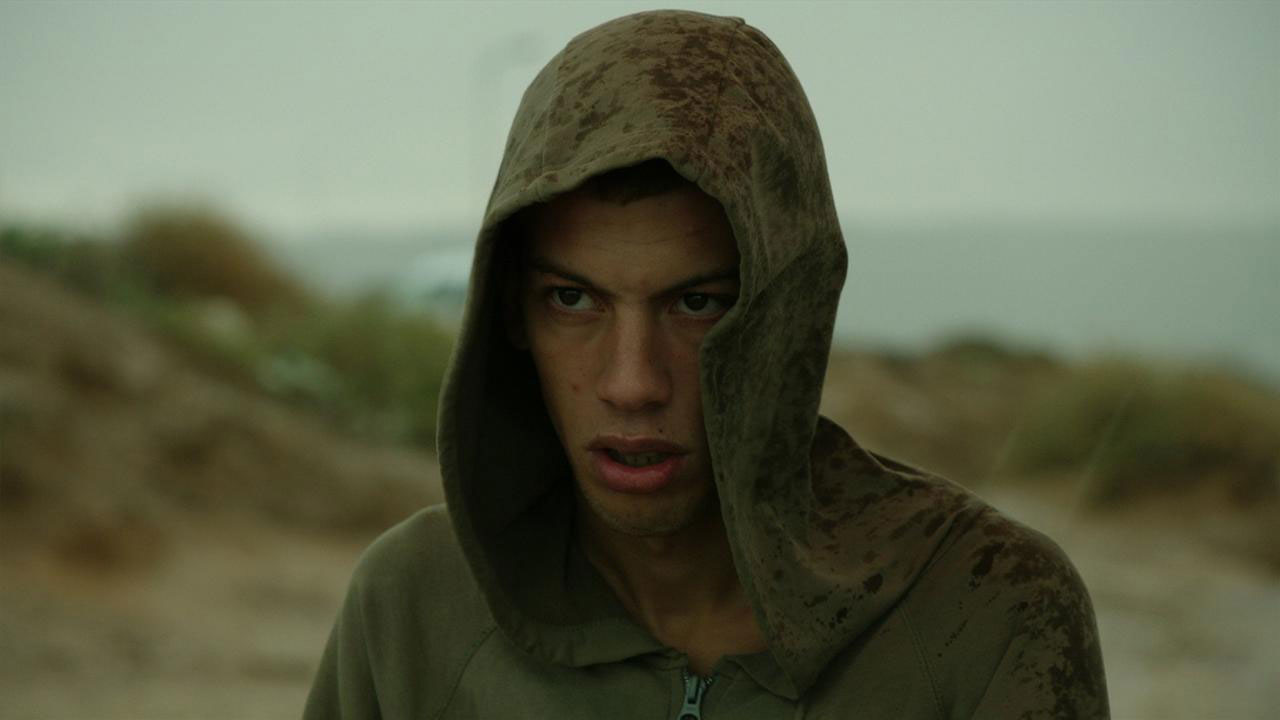
5: Madame Courage
I really thought this was going to be the single dullest film of 2015's London Film Festival. It didn't even manage that meagre achievement (see No. 3). I keep having to clarify that I don't have an inherent problem with slow or minimalist cinema, I think for me though, the caveat is that if in story terms you are going to take that route, then in character terms I need to find something compelling, because while beautiful images are all well and good - which isn't to say Madame Courage has those either - they aren't the be all and end all of what I come to cinema for.

This incredibly minimal story, set in Algeria, is of a young drug addicted thief who falls for a girl he mugs and begins following her and standing outside her window. What does he find so intriguing about her, why is she not more intimidated by him? On these and many, many other questions the film is oblique to the point of tedium.  Many scenes simply depict Omar (the thief) standing outside this girl's window for minutes on end. Nothing is said, nothing happens, we just watch him stand, or sit. This might have proven menacing if director Merzak Allouache gave any sense of building to something, but even when this appears, finally, to be what he's doing, it amounts to less than nothing.

On the sidelines there are scenes of Omar interacting with his Mother and Sister at home, but these feel overblown and, while they strain to make a point about women in this society, the characters are so thin that it never comes off. For the most part, for all its incident and interest, I may as well have watched a blank screen rather than Madame Courage.

4: The Corpse of Anna Fritz
I like my movies messed up and I especially like body horror. This really should have been on the other list this year, if it had worked. The premise is simple; a famous actress dies unexpectedly and the young morgue attendant invites his friends to see the naked corpse before it is embalmed. Soon though, things move beyond looking and while she is being raped, Anna Fritz (Alba Ribas in an exploitative part) wakes up. There is a terrifying locked room thriller, with a rich subtext about how we as a society believe we own celebrities, buried somewhere in this premise, but instead co-writer/director Hèctor Hernández Vicens opts to make one of the most by the numbers pieces of horror I've seen this year.

The Corpse of Anna Fritz runs through its potentially unnerving story within half an hour, then proceeds to stretch in a way that strains credulity and patience more often than it does nerves. Worse than this is the grinding predictability of the whole thing. Almost every scene is predictable not just in plot terms, but down to the visual choices. This reaches its apex in a chase scene that should be the film's most suspenseful moment but so hackneyed is the execution that I could spot every single shot and every single edit coming a mile away.

This should have been right up my dark little street, but it fails on almost every level.

3: Box
I went to see Box at the London Film Festival, choosing it over several higher profile screenings that I might have been well advised to see and have an opinion on, purely because it stars the Hungarian actress Hilda Peter, who made one of the most compelling film debuts I'd seen in years in Peter Strickland's Katalin Varga. This was my first chance to see her again and I wasn't going to miss it. Unfortunately, Box is an empty vessel.

Peter plays Cristina, a stage actress in her mid 30s, a little distracted both in rehearsals and at home with her husband and young son. Rafael Florea plays a 19 year old boxer, looking for success, who begins following Cristina home. After an hour's repetitive and largely silent screentime of this, they finally speak, agreeing to go for one coffee, after which Rafael will promise to stop following Cristina home. The film's last half hour, after this 'date' is grindingly predictable, but the film builds to nothing more than a pointless ellipsis. 

It would be something if we got any sense of a connection between Cristina and Rafael, that last image might then prompt questions, but they're so uninteresting that by the end it simply feels as though writer/director Corneliu Porumboiu has tired of the characters, long after I had.

2: Awaiting
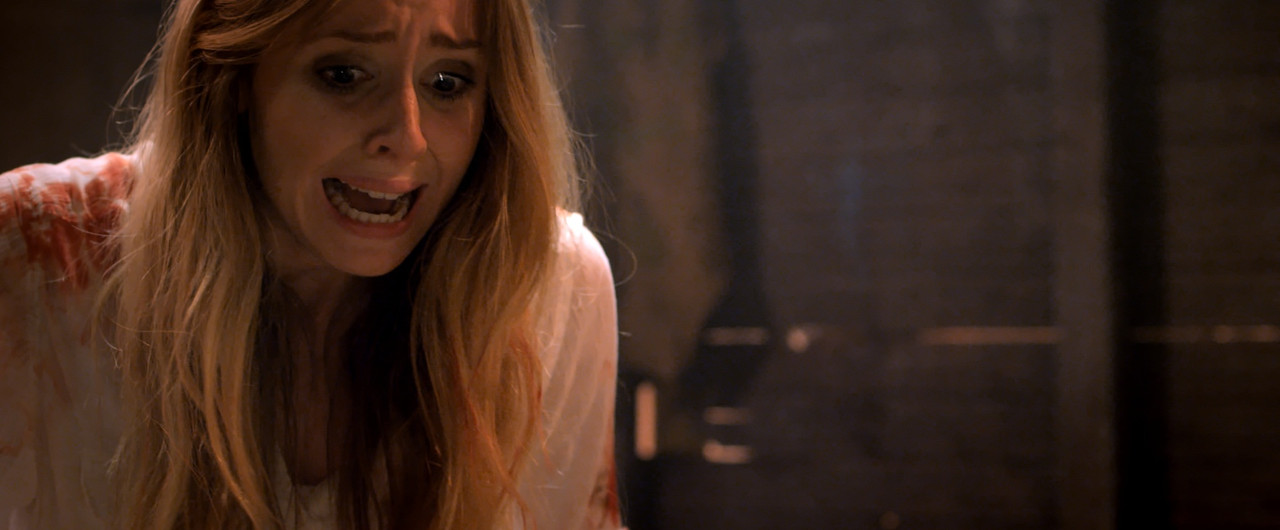
I have to be careful how I phrase this, because there are words I don't want to use, but to say that Awaiting (which played at Frightfest before getting a DVD release this year) is 'inspired by' 1989 Canadian chiller Cold Comfort would be to, in my opinion, massively understate the debt that writer/director Mark Murphy owes that film.

On its own merits, Awaiting is pretty awful. The performances of Tony Curran and Diana Vickers as a serial killer father and his shut in daughter aren't bad, but they're in service of a film that unspools like a collection of moments and shots drawn from other, better, films even before you get to the similarities to Cold Comfort. If you have seen that film then watching Awaiting will often be an exercise in deja vu, as Murphy mirrors not just plot details (often down to the tiniest nuances) but dialogue, images and even editing and shot structure. In this way Murphy hobbles himself, because even the few things he does right here seem to belong to another filmmaker first.

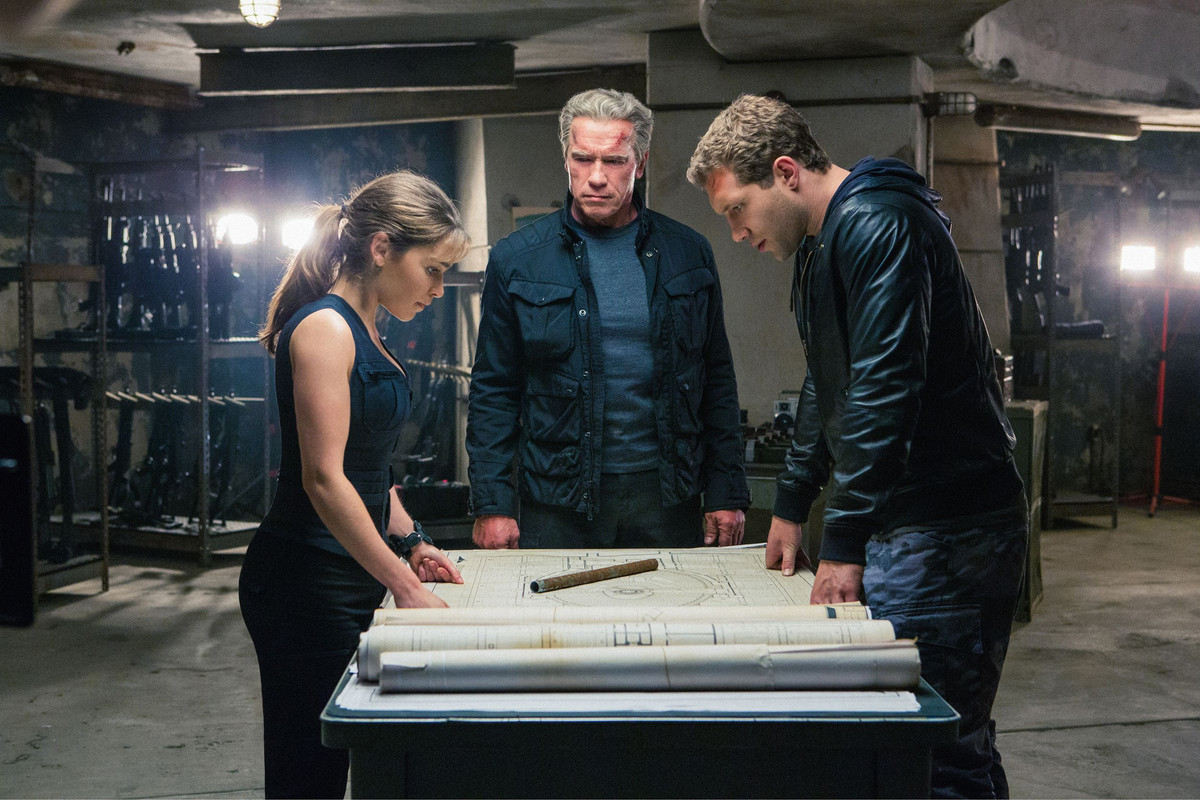
1: Terminator: Genisys
Terminator: Genisys is a remarkable film. It is so catastrophically terrible that it feels like watching the result of a creative meeting, the mission statement of which was 'How can we take every good idea in the history of the franchise and make it insultingly shitty?' Not only that, it makes me want to apologise to McG, because next to this steaming heap of elephant droppings, his Terminator: Salvation looks like the unacknowledged sci-fi classic it absofuckinglutely isn't.

Arnie's tired take on the titular cyborg is easily his worst leading performance since ending his Governorship of California. He's reduced to spouting endless confusing exposition, trying to find a quotable one-liner ("I'm old, not obsolete" won't be a line we'll see callbacks to in future Arnie films) and generally hamming it up. In previous films, Schwarazenegger's performances, subtly shifted with each different iteration of the Terminator, have been strong. Here he's weak all round, he seems bored and even his action scenes have a listless quality that suggest he's barely along for the ride. This isn't to say the rest of the cast is better: Emilia Clarke is a catastrophically miscast and bland Sarah Connor, while Jai Courtney still can't provide any answer to the frequently asked question 'Why does Jai Courtney have a career?'

The timeline bending storyline, which attempts to write the consistently and sadly underrated Terminator 3: Rise of the Machines out of continuity, is perhaps the film's very worst element. It's less a screenplay than a series of nadirs for the franchise. First the godawful moment in which Courtney arrives in this movie's 1984 and we see 1984 Arnie, the seemingly unstoppable threat of the first film, neutered within seconds. Then there's the twist. The godawful, utterly miscalculated, laughably executed and acted, thoroughly pre-spoiled twist. The idea is beyond terrible, but the performance it is anchored to is so bad that it undermines even the tiniest chance of it having the impact it might have achieved in the second or third films.

The tragedy of Terminator: Genisys (leaving aside its nonsensical tytle) is that for about 30 seconds we glimpse a movie that could have been, a movie that could have been new and different and interesting. Why couldn't we have seen the film set in 1973, with the Terminator raising and protecting Sarah Connor as a child? It would be a new context for the franchise, with new challenges inherent in the setting. But that's the thing, that would be new and that, in a Hollywood apparently intent on feeding on itself until it chokes on its own self-regarding nostalgia, just wouldn't do.