Showing posts with label Romania. Show all posts

Sep 23, 2014

24FPS @ LFF 2014: Screeners

Thou Wast Mild And Lovely
Dir: Josephine Decker
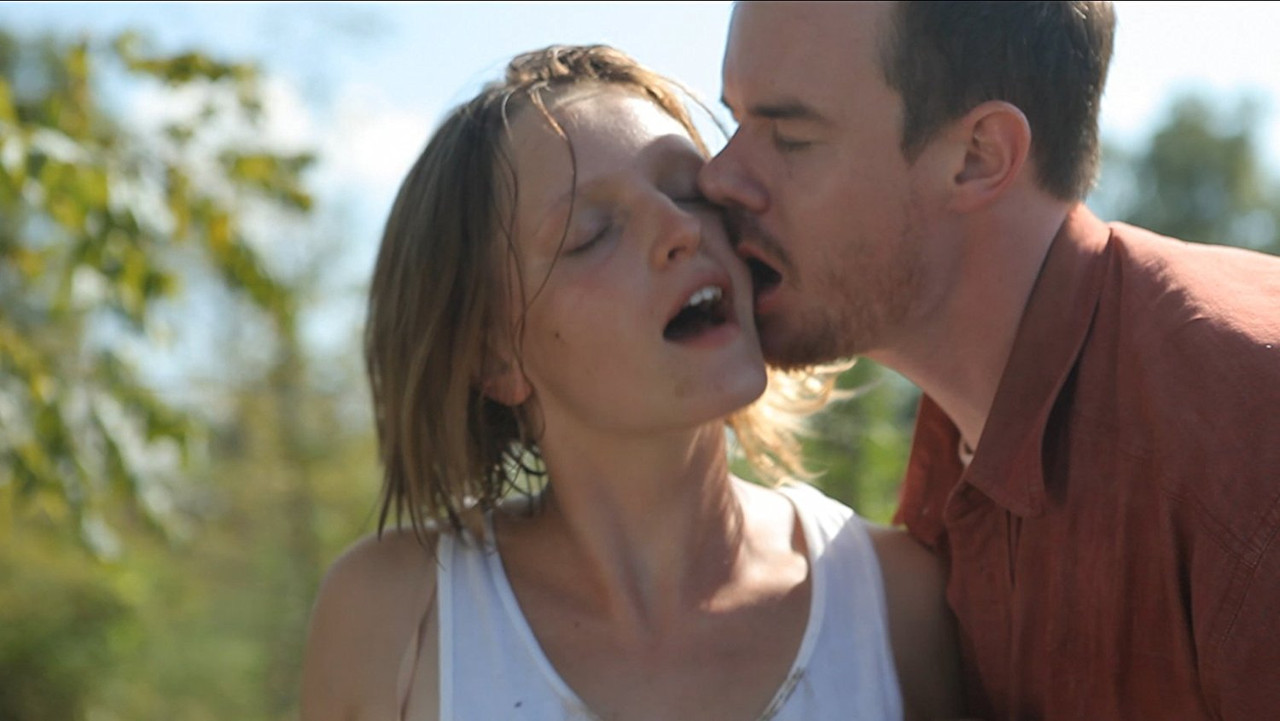
I didn't get in to the mumblecore movement to begin with, but I've found myself warming up to it more and more recently, especially when it inches closer to genre.  Josephine Decker's second film (her debut, Butter On The Latch, is also playing at LFF) is hardly a mainstream effort, but it has an atmosphere that sets things on edge from the off, making you feel as though at any moment it could head off and become something more generically typical.  The fact it (mostly) doesn't is what helps it keep gripping you.

The film is set on a farm, run by Jeremiah (Robert Longstreet) and his innocent looking 20 something daughter Sarah (Sophie Traub).  They have hired help for the summer in the form of Akin (Joe Swanberg).  The atmosphere between the three is odd, and becomes more so as Akin seems to develop a fixation on Sarah, an attraction which may or may not be reciprocated.

I don't want to give too much away about how Thou Wast Mild And Lovely develops, because one of the film's great pleasures is seeing how its constantly uneasy tone evolves and pays off.  That unease is immediately striking in the way that all of the character relationships seem a little off... does Jeremiah look at his daughter, or indeed his new farmhand (who he calls 'Shoulders') a little too intently?  Is Akin's increasingly sexual gaze towards Sarah returned?  These things are open to interpretation, but it's clear when, in one of the film's most memorable and quietly chilling moments, Sarah says that she would have a baby "if Daddy would let me" that all is not well, and perhaps not quite what it seems, on this farm.

Sometimes the film's ambiguity is frustrating.  In one sequence we see Sarah lying on the grass, seemingly in some sort of (pleasurable) trance.  Then we see what she appears to be hallucinating; tools and hands floating in front of her eyes.  Is this the film's most obvious symbolism?  I suspect there's more to it than that, but unpicking what it means will probably take more viewings.  In this sequence and throughout, Decker and DP Ashley Connor's images are well chosen and beautiful.  At times the film's fixation with nature and people working and living in it feels Malickian, but Decker takes this to near parodic lengths mid-film, with a flashback sequence from a cow's POV, and the tone always sets the film apart from this influence.  In conjunction with the images, again setting the whole film on edge, is an often discordant soundtrack that suggests something underneath even the film's calmest and loveliest shots.

Largely a three hander, Thou Wast Mild And Lovely stands or falls on the strength of its cast.  Mumblecore auteur Joe Swanberg continues to prove that he's as effective a collaborator as he is a filmmaker in his own right, with a quiet and sometimes disquieting performance as Akin.  One of the things that is most notable is how his reactions, as much as those of Jeremiah and Sarah, become stranger as the film goes on.  It's particularly notable when Jeremiah makes disturbing reference to a 'roommate' and Akin almost completely ignores it.  Sophie Traub is a real find; you can see how her serene beauty would draw Akin in, and she manages to suggest both naiveté and calculation, often in the same moment, making us question whether Akin is simply drawn to her or being reeled in.  Jeremiah is a slightly broader character, but Robert Longstreet makes him someone to be wary of in many ways, without undermining the film's carefully maintained ambiguity of genre.

Josephine Decker only really stumbles in the last ten minutes, when the film makes a more distinct shift into genre territory.  It's not badly done, but the turn is more obvious than you'd like and the gear change, though slight, clunks a little.  Still, for the bulk of the film Decker's direction is superbly controlled.  She uses handheld camera well, the frequent fast motion forcing our eye when frames come to rest.  In this way she finds as much implied menace in stillness as she does in more hallucinatory moments.  Thou Wast Mild And Lovely is a confident work, slow paced but still lean at just 77 minutes, it's an uneasy and gripping piece that suggests an interesting new talent behind the camera.
★★★★

Waiting For August
Dir: Teodora Ann Mihai
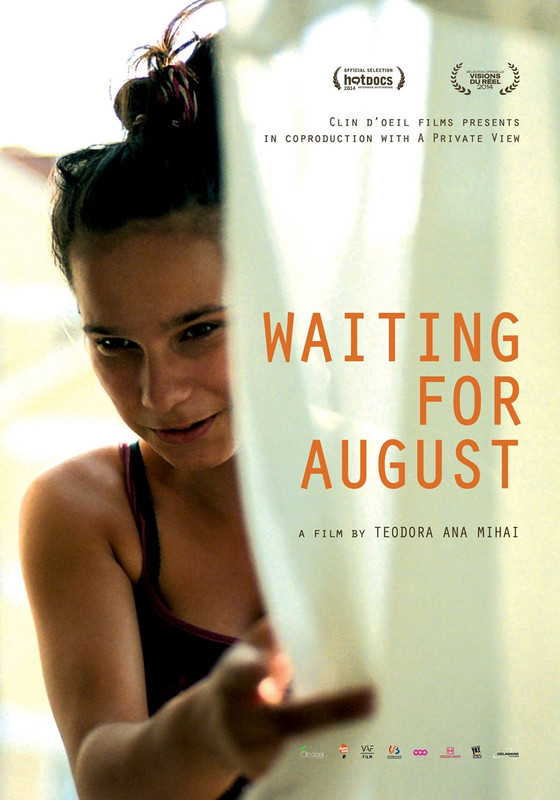
I'm stuck.  I don't know what to write.  I think this is my fault rather than that of Teodora Ann Mihai.  You see, I loved Waiting For August, but I completely misread it.  Apparently this is a fly on the wall documentary, and I took it for minimalist, heavily improvised, fictional cinema.  I don't quite know what this means.  Does it mean there is a flaw in the documentary technique in that it fails to communicate the film's events as purely factual?  Perhaps, but it's not trying to fool us, nor is it American Teen, a 'documentary' so contrived that it not only feels dishonest but like a bad genre film.

Either way, the events are the same.  15 year old Georgiana lives in Romania, she has six siblings (all but one of them younger) and has been left in charge while their Mother, who can't make ends meet at home, works in Italy as a maid.  She cooks, cleans and tends to the younger children, all while juggling school and being a teenager.  Mihai's camera observes Georgiana and her family with an honest, but sympathetic and ultimately optimistic, eye.  She often lets scenes play out at length, displaying the family dynamics and the individual personalities of the kids.  It is Georgiana who makes the strongest impression.  The film paints her as a smart, responsible girl who absolutely loves her brothers and sisters, even when she gets frustrated caring for them (she is often seen asking her six year old brother, who cries a lot, to give her a kiss).  Without seeming to show off or pretend to be something she's not for the camera, Geo (as her family calls her) demonstrates a natural presence that I took as that of an exceptional young actress, but which, it seems is that of a young woman who is, the film makes clear at one point, is less of an exception than we'd like to think.

Ironically it is perhaps the lack of an overarching 'plot' that led me to misread this film as fiction.  Lately we have become so used to documentaries using fictional tropes and imposing a narrative that the purely observed nature of Waiting For August made it feel more akin to a fictional piece, especially one from the Romanian New Wave.  There are events - there is talk of the possibility that the children will be taken into care, considered abandoned by their mother and Georgiana clearly puts a lot of import on her exams as she tries to get into the high school of her choice - but none of the threads develops into a full narrative, they are, like everything, snapshots of days.  The closest thing to a narrative throughline comes in the conversations by phone and by Skype between the children and their Mother, which are delightfully human moments of connection.  The kids are largely preoccupied with what Mum will be sending them, while she says how much she loves and misses them.

What I appreciated most about Waiting For August in my misreading of it, beyond the skill with which it is shot and assembled, I still appreciate about it as documentary.  It would be very easy to focus on how desperately hard life is for this family.  After all, they are living for about nine months without their Mother because that's the only way they can afford to eat, but the film focuses less on their problems than on the way they deal with them.  Yes the kids argue, but you can feel and see the love they have for each other and how hard Georgiana in particular works to be a good surrogate parent.  This isn't a film about problems, it's not a sad or a depressing film.  This is a film about solutions, about how people deal with difficult circumstances and keep a smile on their face.

I don't think it is a problem that I misread the film (certainly the LFF programme doesn't make it clear that it's a documentary), it remains an absorbing portrait of a family and their situation, the fact it's a true portrait only makes it more intimate and immediate. Given that this is a documentary I hope that Mihai will return to the story in due course.  I was so engaged by Georgiana and her family and I hope that a few years from now cameras will find them doing well, but whether they do or not, Waiting For August is an excellent film in its own right and one I would recommend you check out at LFF.
★★★★

Dec 30, 2013

My Top 13 Non-2013 Films

I try to watch as many new release films as I can each year, but inevitably there are still big gaps in my cinematic experience and every year I also spend a lot of time trying to plug those gaps by catching up with a lot of older films.

Since discussion of my Top and Bottom 10 of 2013 will be posted in the form of podcasts I decided that this year I'd do something a bit different and run down, in the order that I saw them, the 13 best older films that I watched for the first time this year.

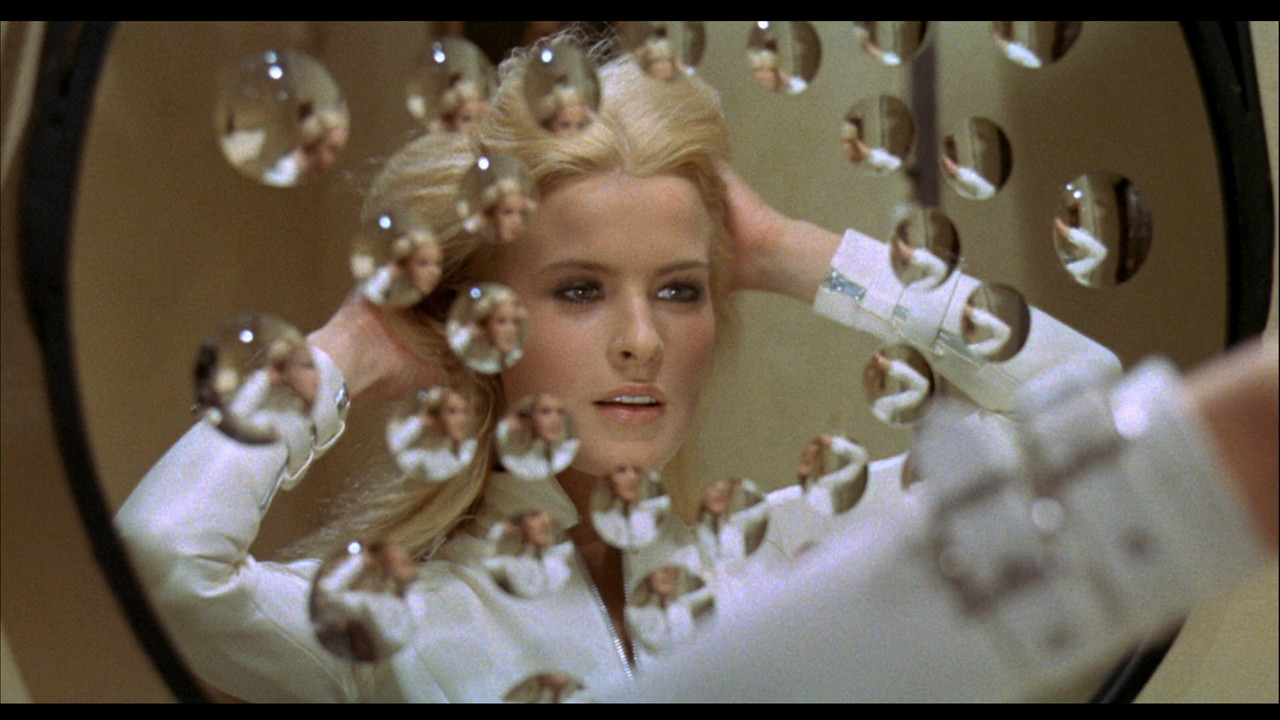
The Lickerish Quartet

The Radley Metzger films I've seen, both softcore and hardcore, have all exceeded the expectations that you would typically have of sexploitation cinema, but The Lickerish Quartet really stands out.  It's a playful, surreal, film that intertwines film and reality in a way that has much to say about the way we relate to cinema.  The script is articulate and the acting strong, but Metzger's direction really stands out, he may be an exploitation filmmaker, but he has an artist's eye and sense of rhythm.

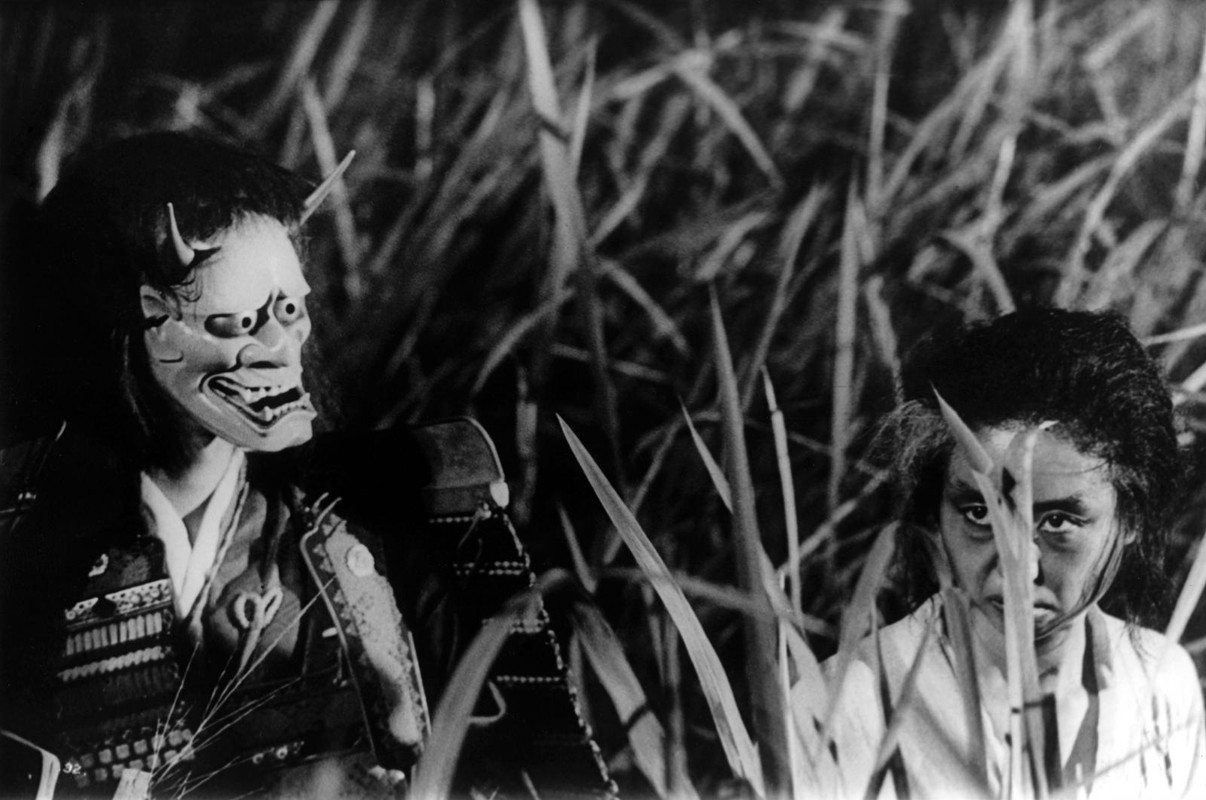
Onibaba

Kaneto Shindo was a great discovery for me this year, and another example of a director whose work I might never have discovered were it not for being a critic (I was assigned several of his films to review for other sites).  Onibaba was the standout; a brilliantly acted drama about a young wife living with her mother in law as they wait for the husband to return from war, which morphs slowly into a creepy ghost story.  It's strikingly shot, with the remote location in the midst of a swamp providing great atmosphere, but the threat also comes through in the performances, especially that of Nobuko Otowa as the mother. 

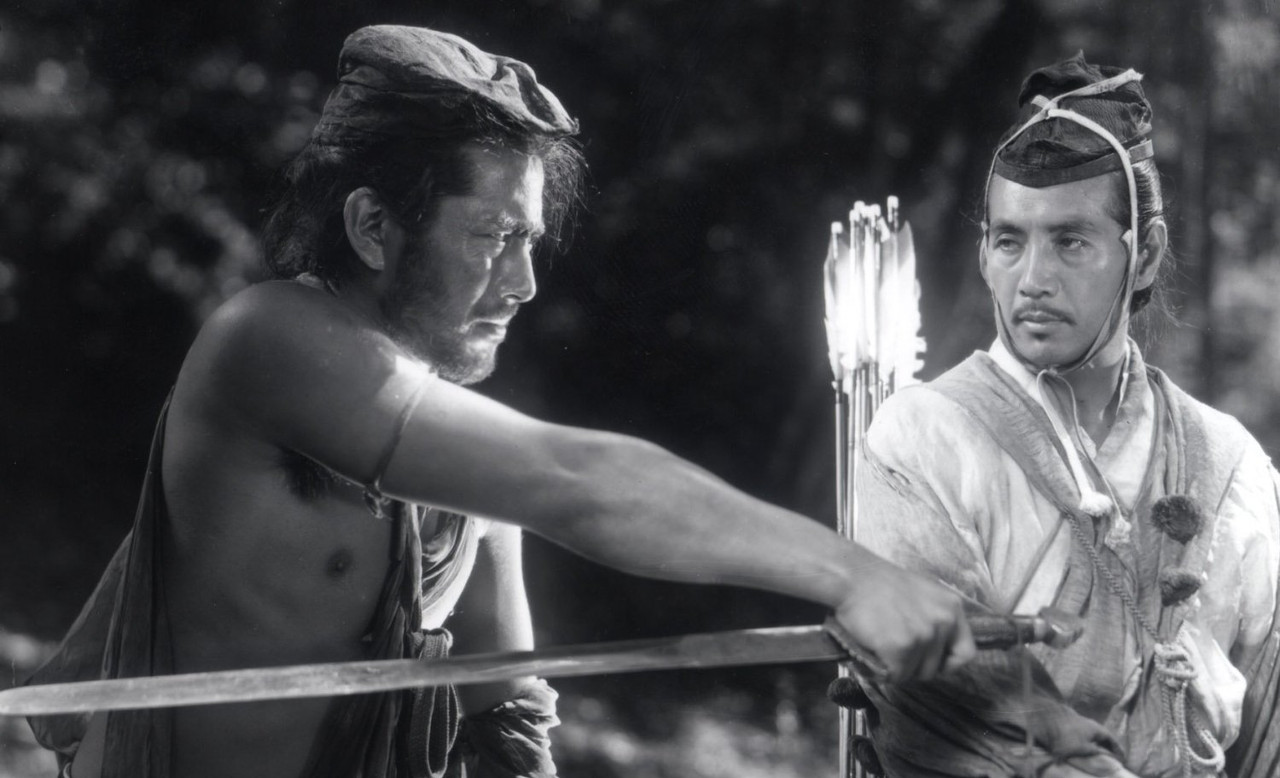
Rashomon
One of the most shameful oversights in my film viewing came to an end this year as I finally saw my first Akira Kurosawa films.  Rashomon is a movie that felt strangely familiar on a first viewing, because I had heard so much about it and seen so many films that spin off its central idea of using varying testimony to explore the 'truth' of a single killing.  That's not to say that Rashomon didn't grip me, from Kurosawa's use of light to Toshiro Mifune's fantastic performance, which manages to be both clownish and menacing at times, it impressed me throughout and made me kick myself for never having seen it before.


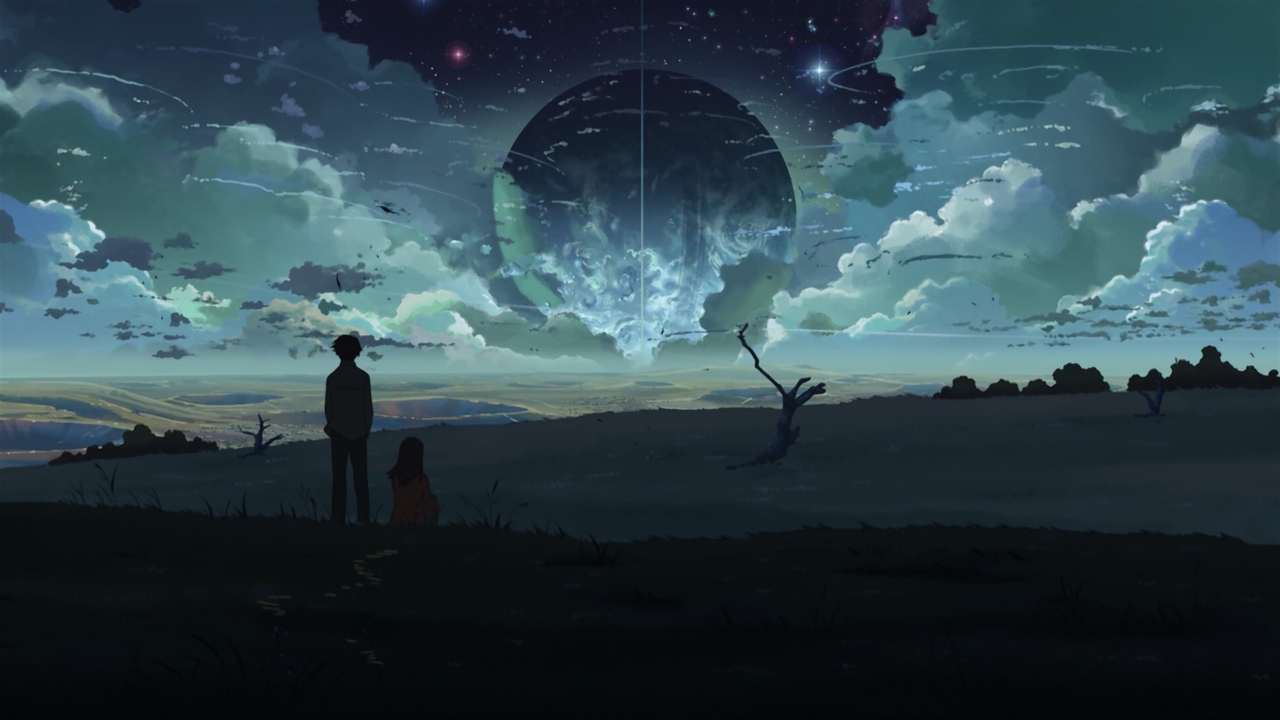
The Place Promised In Our Early Days
Makoto Shinkai is becoming one of my favourite directors, and is certainly one of the best I've discovered working in anime.  This film takes a grand sci-fi concept and marries it to a teenage love triangle that is depicted - despite eventually also taking place in a dreamscape - in a way that rings almost painfully true and painterly imagery that looks like what would happen if Terence Malick became an animator.  It's quite extraordinary to look at, and tugged my heartstrings in an unforced way.

Sky Captain and the World of Tomorrow
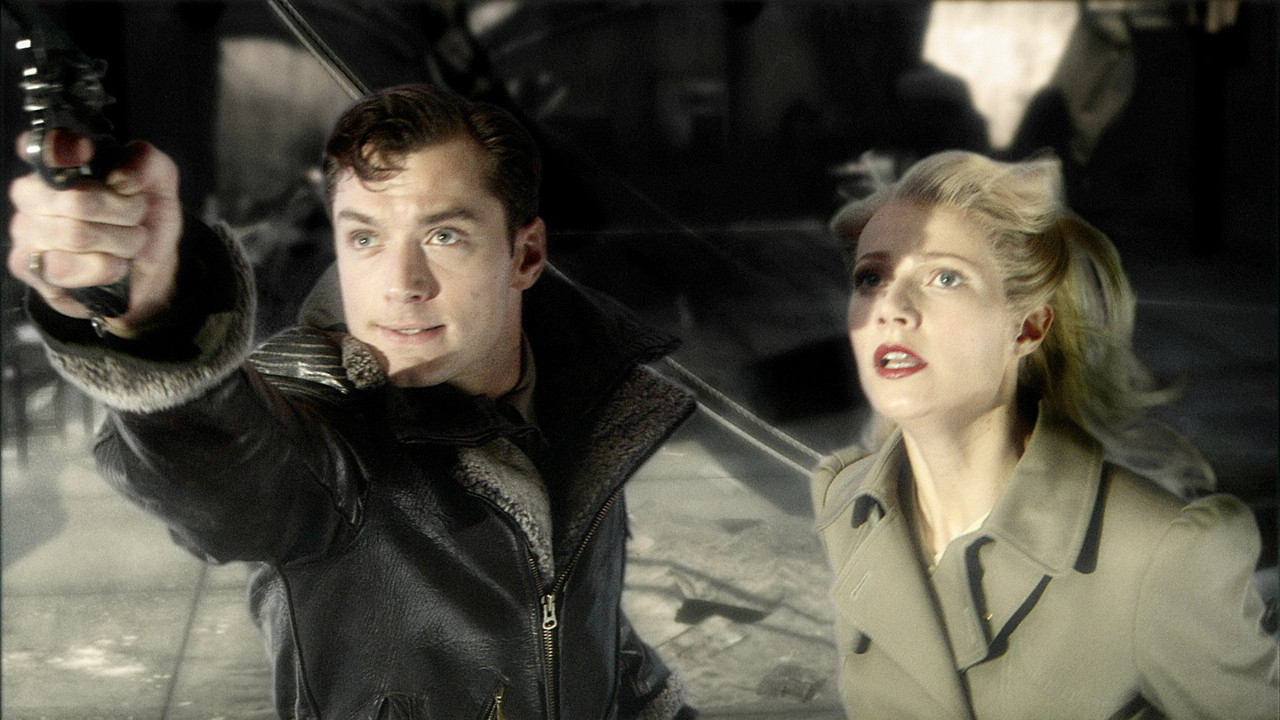
Yes, really.  I passed this one by on its release as it looked like just one more would be blockbuster flop, what I found instead was a witty and relentlessly fun adventure movie that remixed all its influences (expressionism, noir, adventure serials, 50's sci-fi and more) into a distinctive and well realised universe of its own.  The performances are as much fun as the visuals and while it's not always totally coherent the freewheeling fun of the story kept me engaged.  The film Sky Captain reminded me of most was The Rocketeer, and it deserves a critical rehabilitation just as much.

A Swedish Love Story
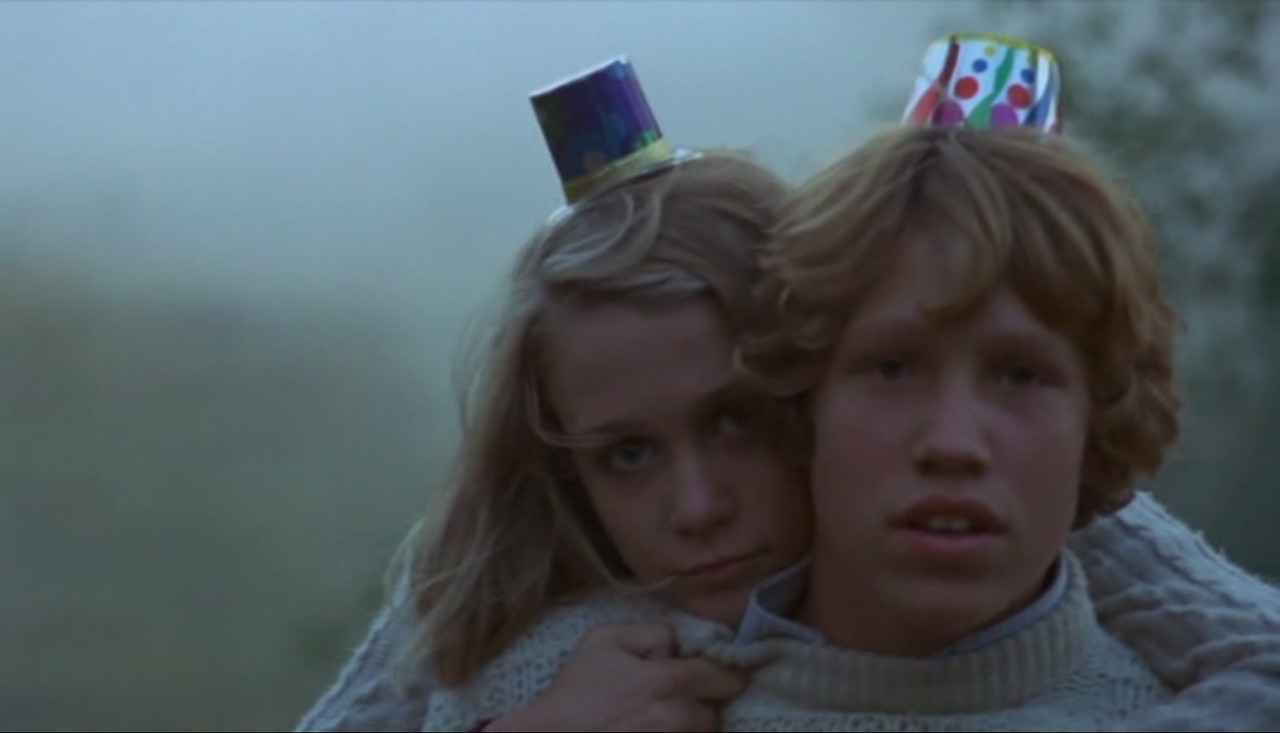
A simple title for a simple film, and I mean that in the best way.  I've always been interested in coming of age stories, and am especially fond of those from Europe and Scandinavia, but I only heard of this film (on Twitter) earlier this year.  On tracking it down I found a heartfelt tale of first love, with the rough edges that Hollywood might smooth left intact.  The two lead performances are brilliantly naturalistic, which is also the approach taken by director Roy Andersson.  The film digresses in its last twenty minutes, but this is the only bad note it hits.

Love In The Afternoon ['72]
Eric Rohmer was another director that I discovered this year, having only previously seen one of his films (The Green Ray).  I thoroughly enjoyed Pauline A La Plage, but this film, about a man torn between his wife, who he still loves, and a woman he is tempted to have an affair with, was the one that really cemented my interest in Rohmer's work.  As is the case with all of the films I've seen from him, Rohmer manages to take difficult, dramatic, topics that could sit heavily and, while exploring them with great detail and import, treat them lightly.  It's a wonderful tonal balancing act that the director and his actors carry off and I can't wait to see more of it.

Solaris ['72]
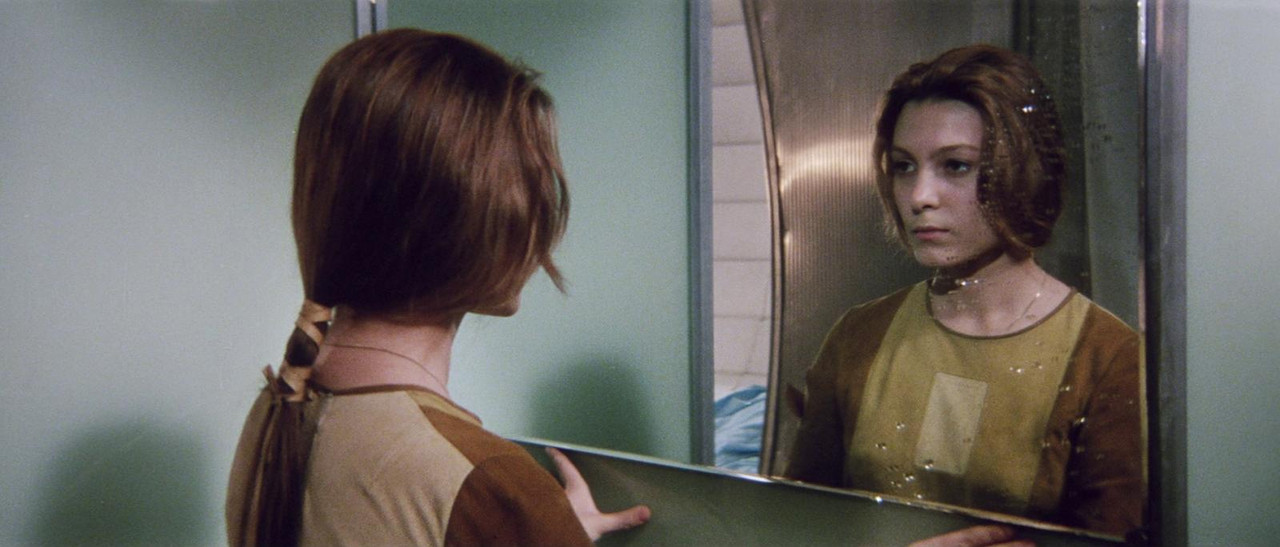
From what I had heard about Andrei Tarkovsky and his films I was concerned that I would find Solaris dull and remote, it was anything but.  This slow moving sci-fi eases us into its more fantastical elements and this, along with the exceptional acting, allows it to credibly introduce unreal elements and have us question whether they are actually happening or a result of the main character losing his mind.  At the centre of the film is an achingly romantic story of a man desperate to have his late wife back, and Natalya Bondarchuck's performance as that wife - or an image of her - is one of the best I've seen for years.  I can't wait to see this multi-layered and immersive film again.

Tuesday, After Christmas
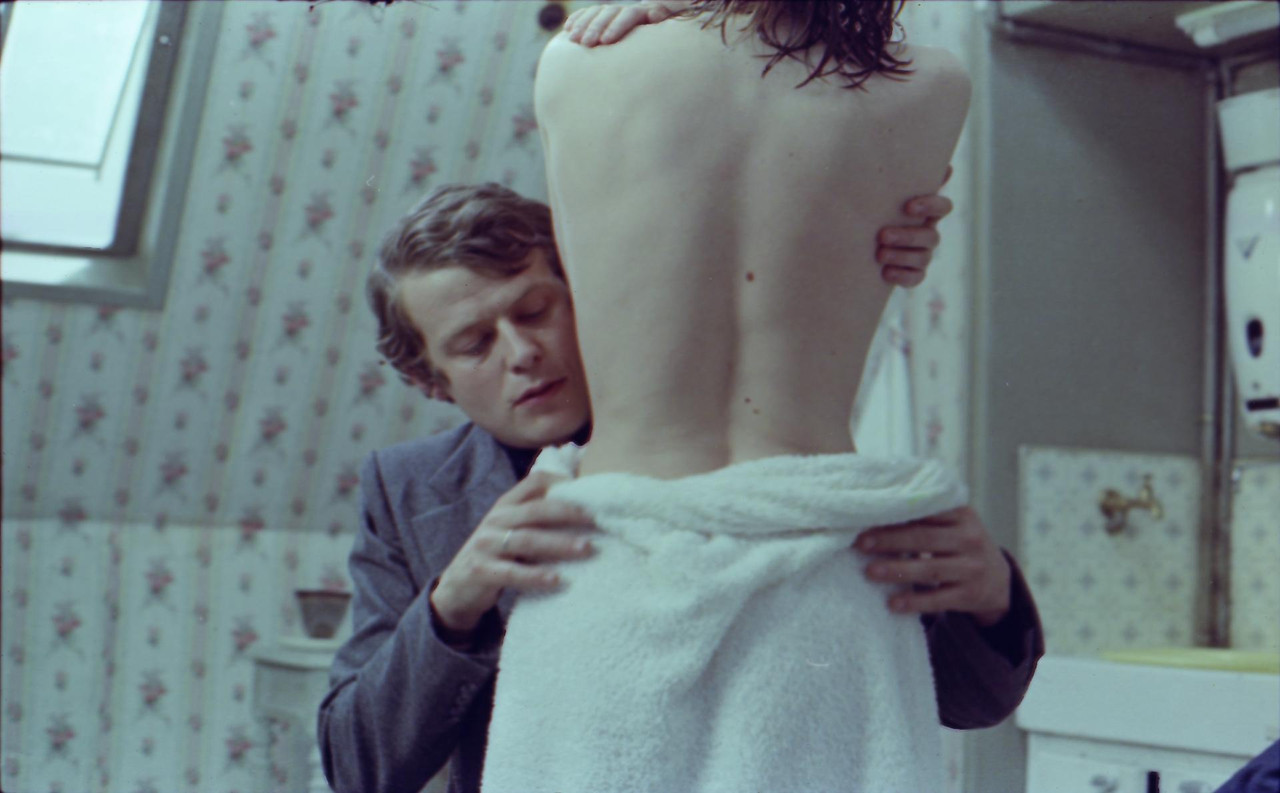
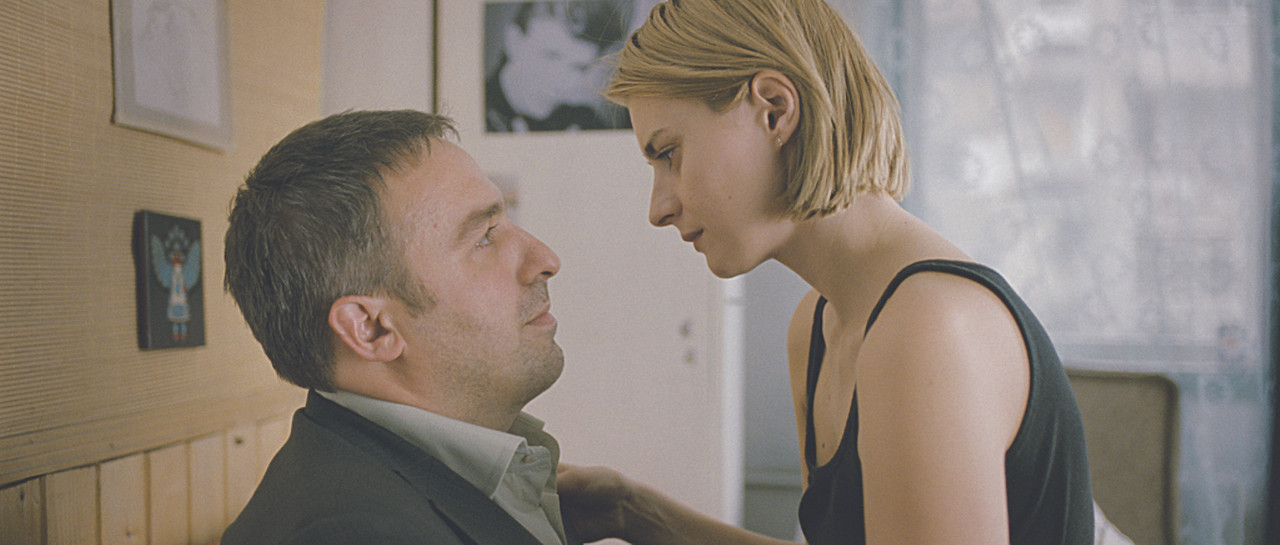
Another film about a man torn between two women, this one much more caustic than Love in the Afternoon.  This Romanian film finds a husband and father leaving his family for a younger woman.  Observed in a handful of long scenes, the film allows you to become invested in both the marriage and the new relationship by giving all of the characters rounded personalities and painting no one as either good or bad.  It's down to earth and true to life, often in the most uncomfortable way, especially in the climactic break up scene which, like the whole film, is perfectly played.

Seven Samurai
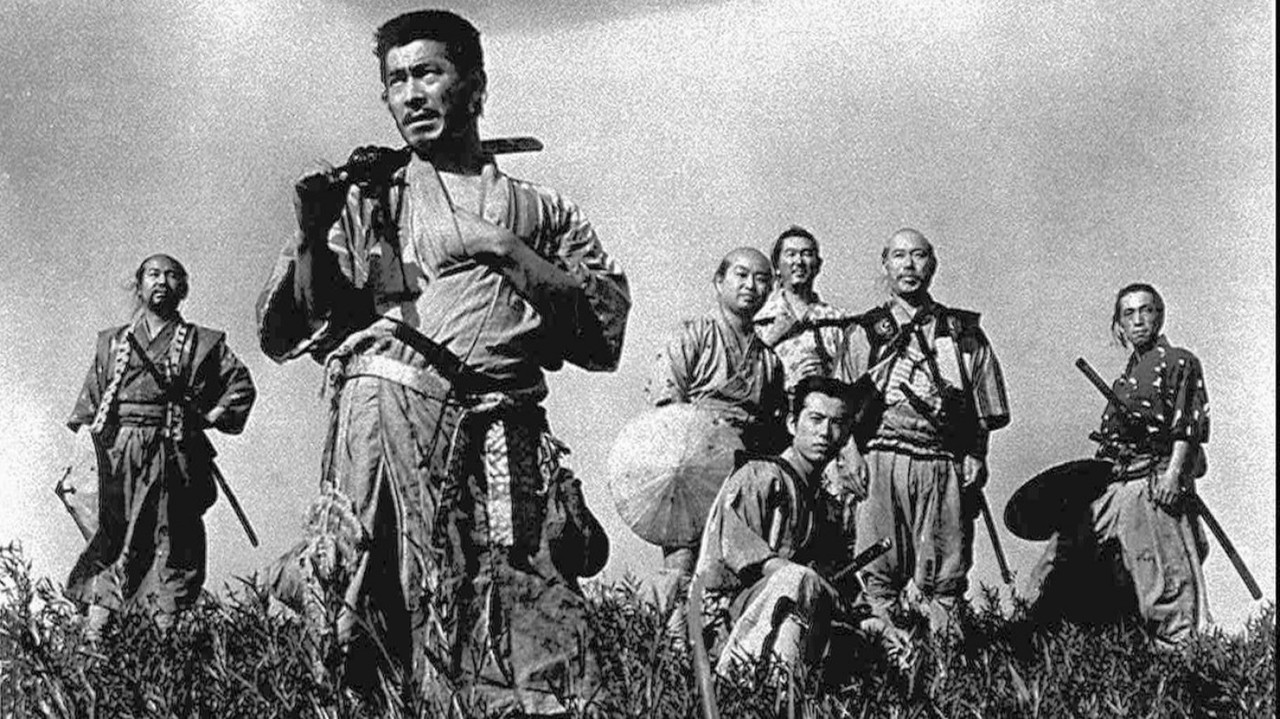
Yes, I know I should have got round to Kurosawa and to this film much earlier, does it help redeem me that the first time I saw it was at a cinema, projected from a beautiful 35mm print?  Anyway, primed by Rashomon earlier in the year (and because I wanted to retain at least a little critical credibility), I went in wanting to love Seven Samurai.  I was not disappointed.  A rather slight love story aside this old story of a band of warriors fighting against impossible odds was invigorated by its telling, which is energetic despite a running time north of three hours.  The battle scenes are incredible, but the film doesn't mark time in getting to them, it is riveting and beautiful throughout.

Spider Baby
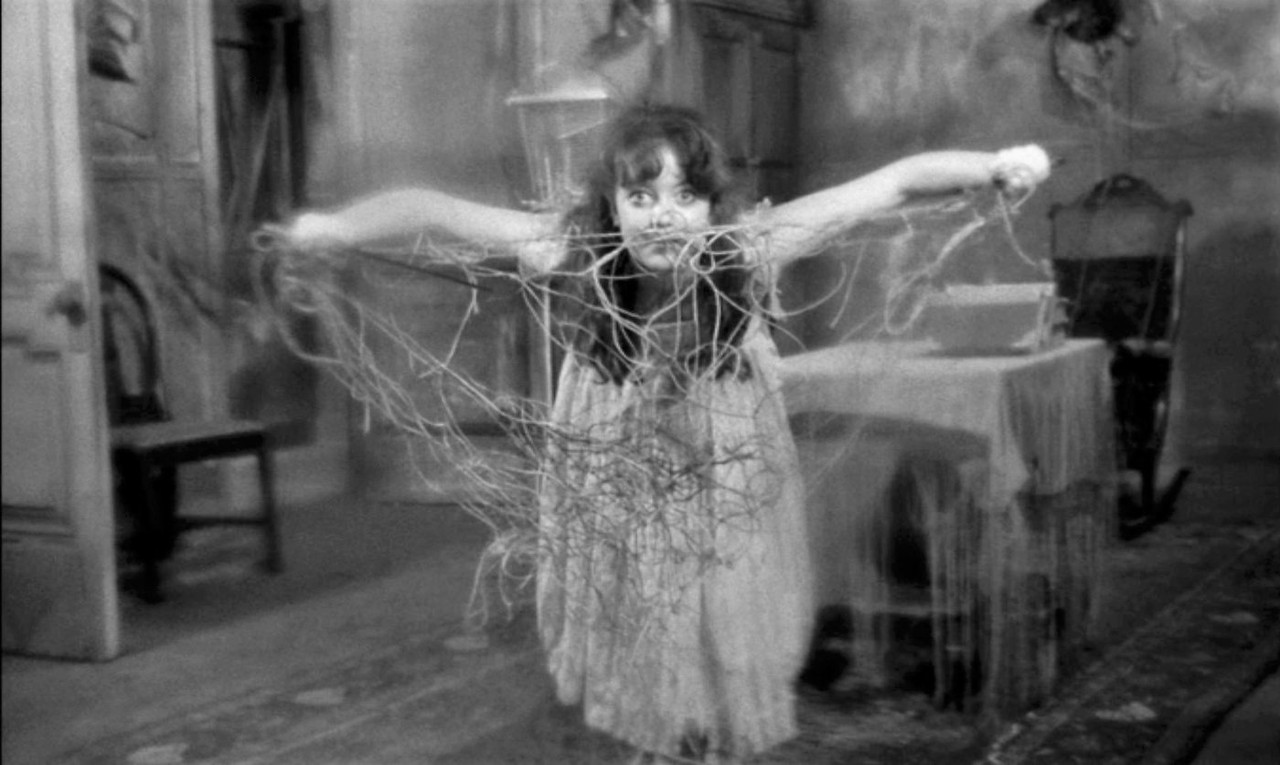
Spider Baby is one of those movies that I had always heard about, but it remained obscure and all but impossible to get your hands on, until Arrow Video released it on Blu Ray this year.  It is a defiantly odd film, its closest relation as a dark, weird, horror movie inflected with comedy is perhaps Tod Browning's Freaks, and Spider Baby is not embarrassed by the comparison.  It's a surprise to find that director Jack Hill - best known for Blaxploitation fare like Coffy and Foxy Brown - is also behind this oddity, but while it's atypical of his work it's full of memorable moments and scenes that still stand out for their strangeness.  I'll have much more about this film on an upcoming podcast.

L'Effrontee
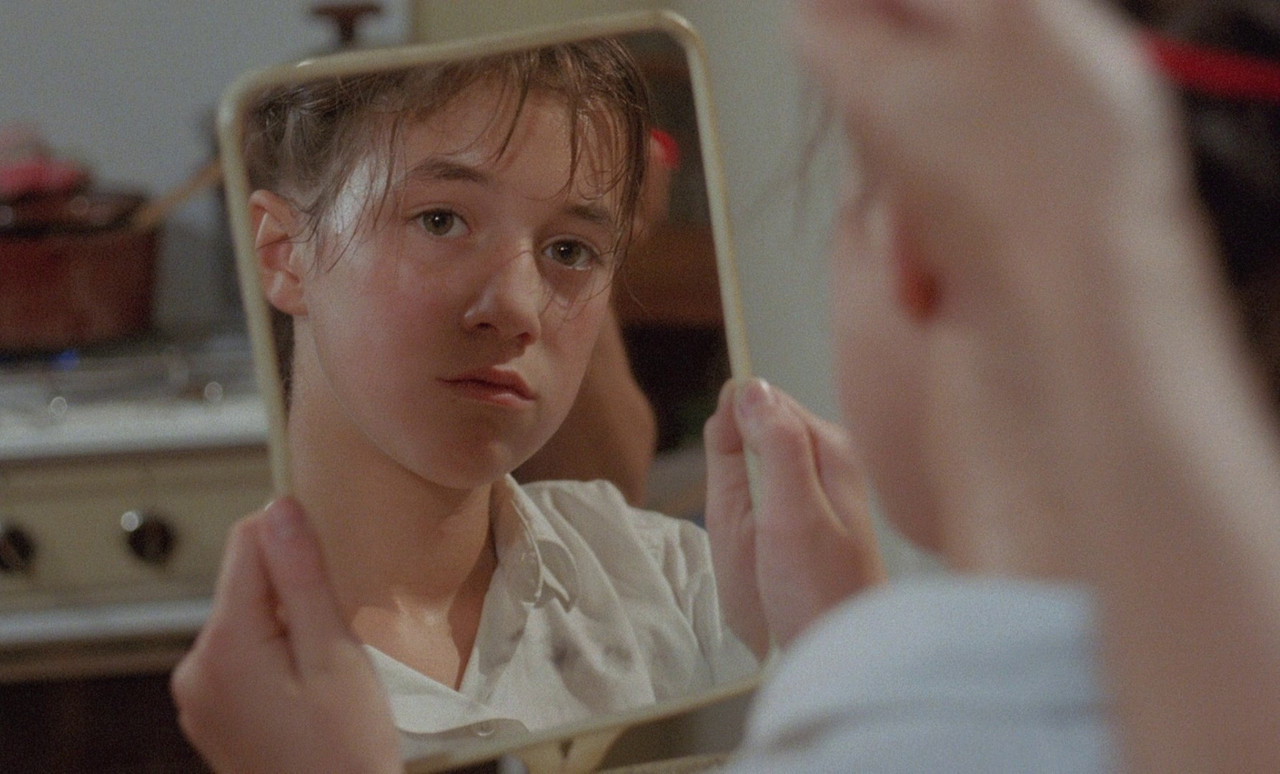
I've long been a fan of Charlotte Gainsbourg and have been wanting to see her early work for some time.  This, her second film, was the role that really brought her to notice and with good reason, she's exceptional as a young teenager who becomes obsessed with a concert pianist her own age, tracking her down after they meet by accident and convincing herself that they are friends.  Because of her character's youth Gainsbourg is more pitiable than frightening here, and her inexperience is turned on her in a sub-plot involving what begins as an innocent flirtation with an older man.  This is another fine example of how coming of age films from outside the US often deal better with the less pleasant aspects of growing up.

Heaven's Gate
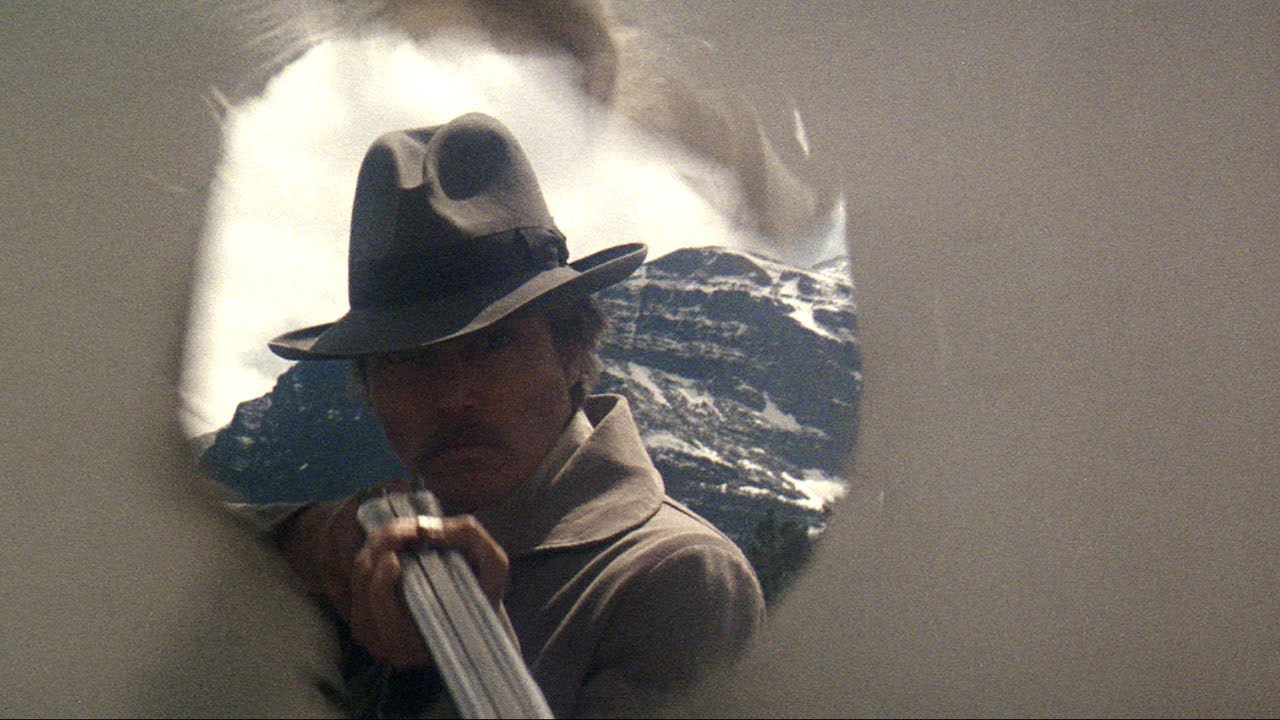
Much maligned at the time of its release and subsequently hard to get hold of in the UK, Heaven's Gate has taken on almost mythical status as a great directorial folly.  This could hardly be further from the truth.  Though it could, for me, happily shed its prologue and epilogue, the 190 minutes that fall between them are essentially a masterpiece, telling a large sale story of the (real life) Johnson County War, but finding personal resonances in the stories of new immigrants to the US and a love triangle between Kriss Kristofferson, Christopher Walken and Isabelle Huppert as men on opposite sides of the conflict and the woman they both love.  It may be long, but both the exceptional performances (Walken has seldom been better) and the stunning imagery will reward your patience.

Oct 22, 2009

Review Post 53: Katalin Varga

KATALIN VARGA
DIR: Peter Strickland
CAST: Hilda Peter, Norbert Tanko, Tibor Palffy


“Revenge will set her free”, says Katalin Varga’s misrepresentative tagline. That summary primes you to expect a visceral vengeance thriller, more along the lines of Thriller: A Cruel Picture or Oldboy. That’s not what Peter Strickland’s debut is.

Shooting in Romania, Strickland spent his life savings of £25,000 to make Katalin Varga. It was money well spent, because the film he has emerged with is the best directorial debut by a British filmmaker in a long time. Katalin Varga is a haunting slow burn of a film, whose final moments will stay with you long after the fade out. The story sees the eponymous Katalin (Peter) leaving her home village in Romania after an argument with her husband, and taking to the road with her 10-year-old son Orban (Tanko). She says that they are going to visit her sick mother, but it soon becomes clear that she has other matters to deal with, and that they are connected to the reason that her husband no longer wants to speak to her, or to Orban.

What Katalin Varga lacks in visceral thrills it more than makes up in tension. Right from the start there is a mystery at the centre of the film - why has Katalin left her home, what’s the secret driving her? It’s not hard to guess, though the details, when they come, are pretty shocking. The tension really ratchets up in the second half, beginning when Katalin meets a man named Gergely (Roberto Giacomello), and it starts to become clear why she’s taken this trip. After that meeting, though it still remains slow, almost stately in its pace, the film really becomes a thrilling watch, as Katalin is pursued on her journey, and, finding her ultimate quarry, discovers that he’s very different to what she expected.

Hilda Peter, who, as far as I can tell, had never acted in film before is absolutely extraordinary as Katalin. She’s in almost every scene of the film, and is genuinely fascinating to watch. A beautiful, sharp featured, woman in her early 30’s, Peter has what is perhaps best described as a malleable face, she seems to change from scene to scene, to look different depending whether Katalin is at that point playing mother, seductress or avenger. Her best moment, and the film’s, comes in a five-minute monologue that reveals the full story behind the secret she’s been keeping during the film’s first hour. Peter’s matter of fact recitation of the story hits you like a punch in the gut, and you can also appreciate the many levels on which the scene is working, how the tone plays completely different ways for each of the two other characters in the scene. It’s quite possibly the best piece of acting you’ll see in 2009.


This isn’t to say that the rest of the cast fails to impress. Young Norbert Tanko gives a fine, natural performance as Orban and Tibor Palffy is brilliant, making a character who would, in any other movie, probably be a one dimensional figure of hate layered and almost sympathetic at times. It’s clear that Peter Strickland has a strong command of his cast, as he draws good work out from even the bit parters.

Strickland equally clearly knew exactly what he wanted visually, because Katalin Varga never looks cheap, indeed it is a gorgeous film. Strickland gets a lot of value for free, simply by virtue of filming in such beautiful countryside, but a bad filmmaker can make the most beautiful place in the world look ugly. Strickland’s eye for his characters surroundings calls to mind Terence Malick. What’s really notable about the look of this film though is how, without his shots feeling overly contrived or designed, Strickland achieves such beautiful compositions, and how he manages to give the camera a real freedom, often shooting handheld, without succumbing to the shaky-cam fad.

There aren’t many negative things to say about this film, but on the downside, though the performances and imagery remain strong all the way, the credibility of the script takes a slight dive after that show-stopping monologue. There’s also a tiny issue with the ending. For my money it is just one shot too long. If Strickland had gone out on the shocking cut to black that comes before the credits the film’s already strong impact might have been even greater. However, these are nitpicks about a great film. I’ll be keeping an eye on both Peter Strickland and Hilda Peter from now on, and if you like good movies then you should too.