Showing posts with label Best Films. Show all posts

Oct 19, 2015

24FPS @ LFF: The Best of the Fest 2015

It has been a mixed year at the London Film Festival, a year in which I've seen a lot of films that nearly worked.  Some had great passages, but fell apart. Others were largely middling, but had one performance that stuck out, you'll see some of them in the awards categories below. On the plus side, there were some great films and, in a festival jam packed with first time filmmakers, a great deal of promise for the future.

Below you'll find my entirely personal picks of some of the best things I saw at LFF 2015.

5 Star Films
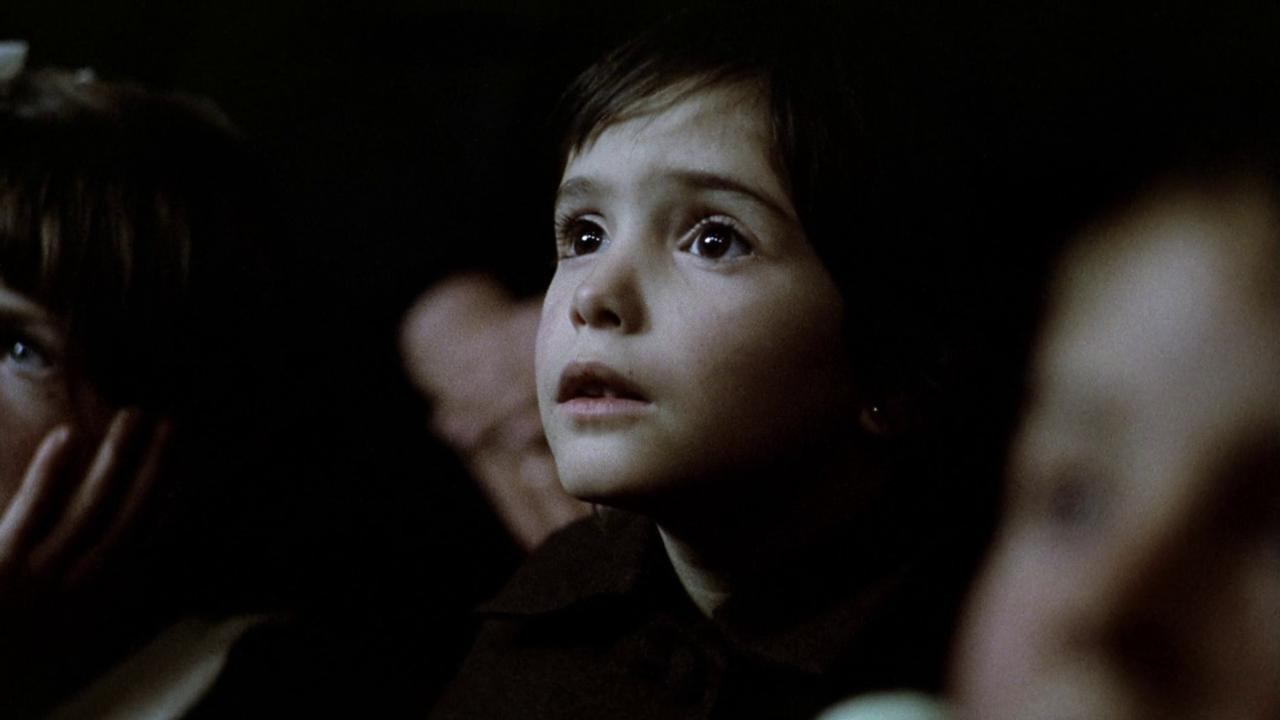
Evolution
Take Me to the River

Best of the Rest
Burn Burn Burn
Chevalier
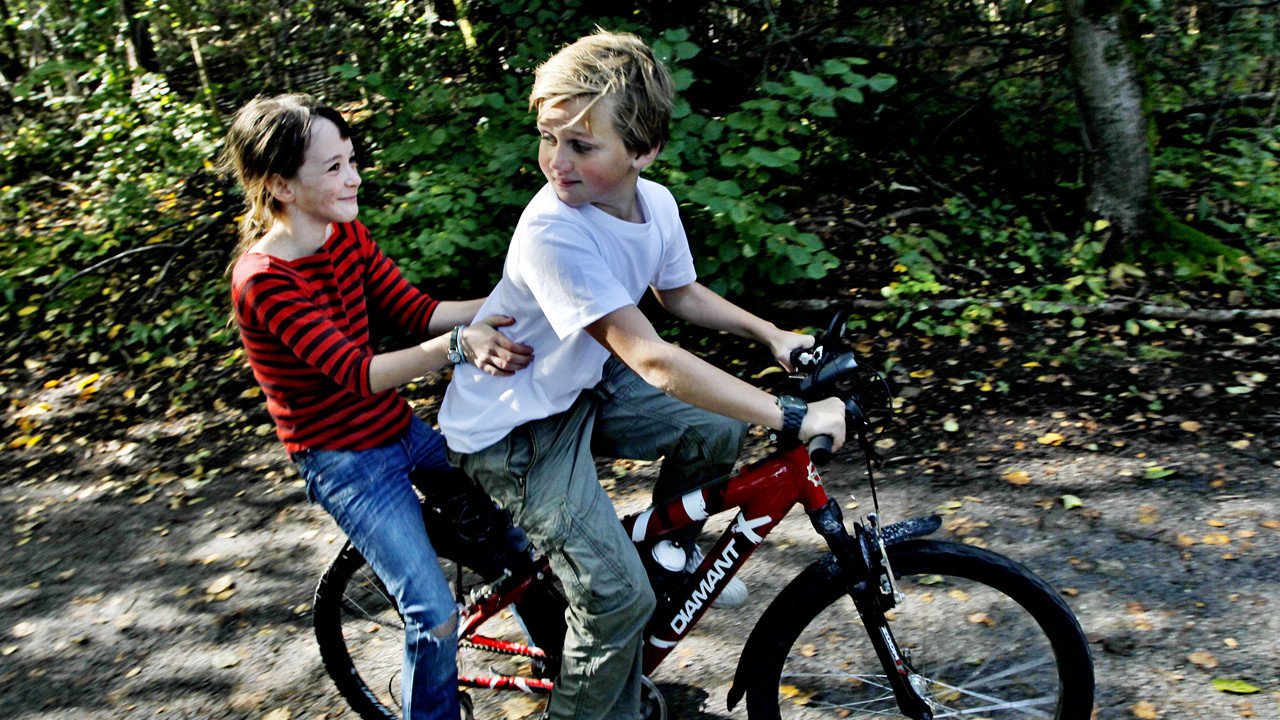
King Jack
The Lobster
Der Nachtmahr
Paulina
Petting Zoo
The Witch

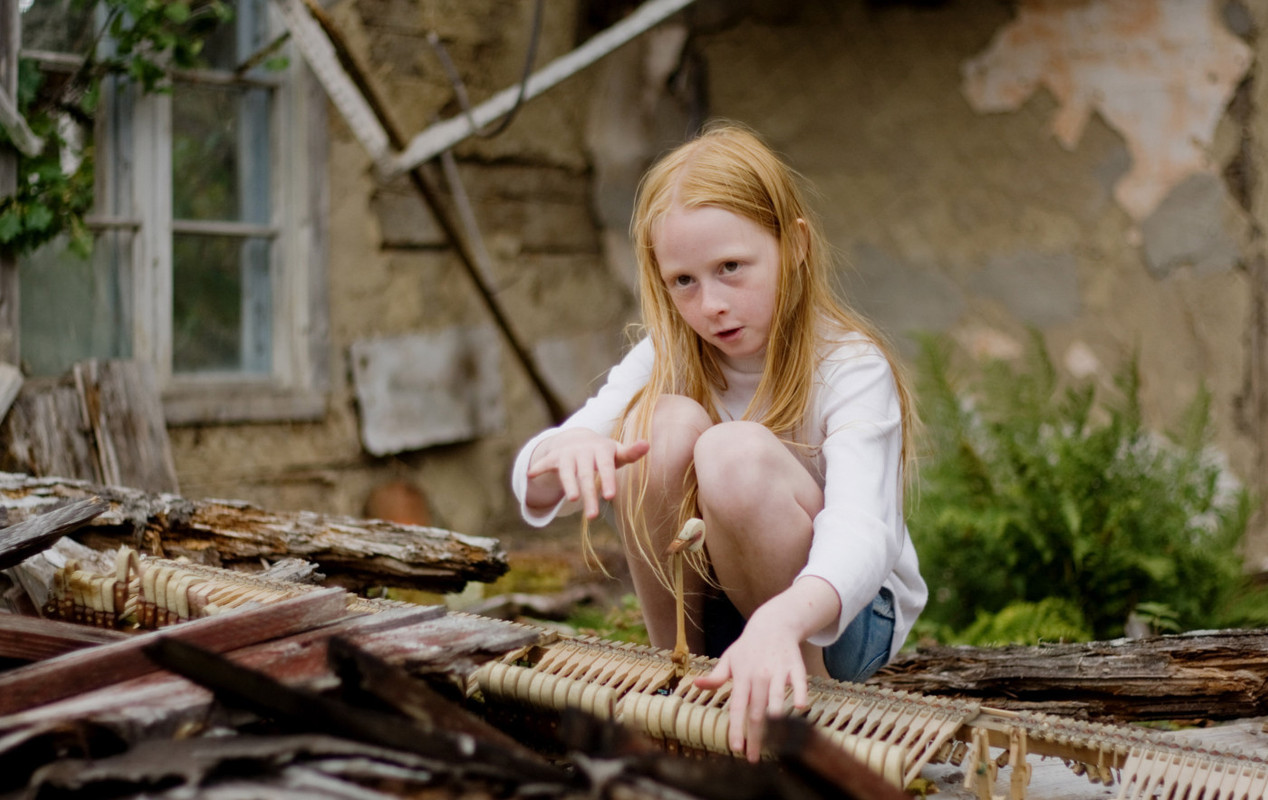
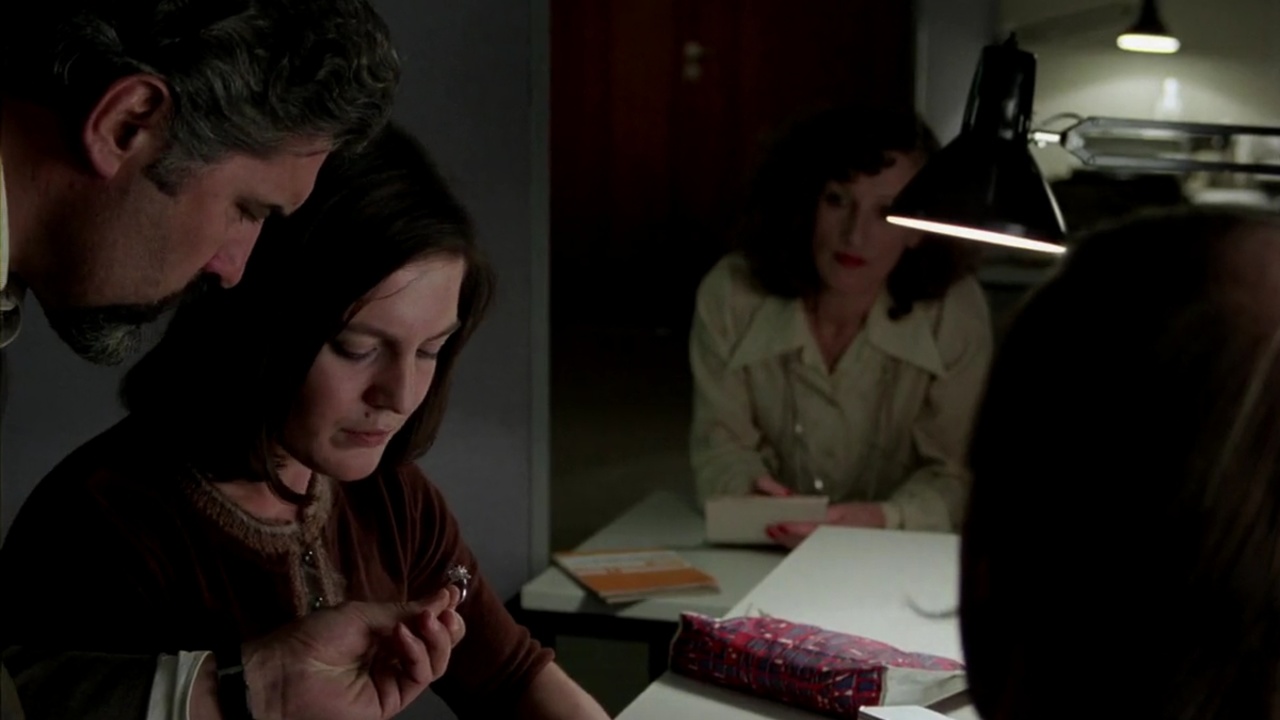
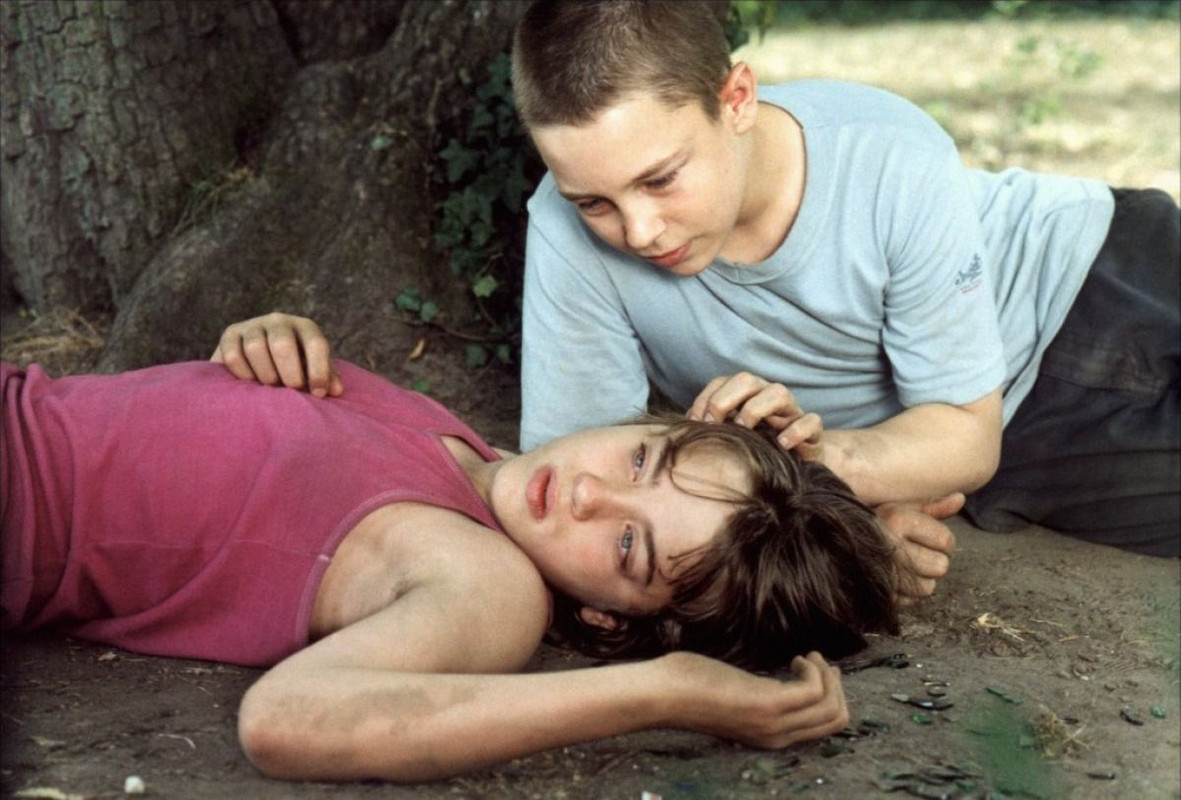
FILM OF THE FESTIVAL: Evolution
I've not put the rest of this list in a qualitative order, but Evolution is, for me, clearly the best film of LFF 2015. It was always likely I was going to enjoy it, as I've loved Lucile Hadzihalilovic's first film, Innocence, since it came out a decade ago, but I hadn't counted on the way that Evolution has taken up residence in my head since seeing it. Its images are more vivid in my mind than anything from any of the other 55 films I saw at the festival and I am still anxious to see it again in order to decide whether I even find myself agreeing with my initial reading of the film on a second viewing (I didn't with Innocence). This is something that only happens with great films, and Evolution is a great film. 

Best Director
Akiz: Der Nachtmahr
Lucile Hadzihalilovic: Evolution
Yorgos Lanthimos: The Lobster
Micah Magee: Petting Zoo
Matt Sobel: Take Me to the River


This year, one of the frequent topics of conversation between myself and my critic friends at LFF has been the number of feature débuts that have been in the programme. Many have shown promise, even with flawed films, but several have also delivered some of the best films on show. Half of my Top 10 of the festival are first features, and of those three are nominated here. Several more feature in the One to Watch category. 

Matt Sobel delivered an unsettling coming of ager in Take Me to the River, while Micah Magee's personal experience feeds into a raw and real feeling début in Petting Zoo and with Der Nachtmahr Akiz marries compelling characters and storytelling to artistic imagery in a way few visual artists seem to on their first films. Of the more experienced filmmakers Yorgos Lanthimos shows what a master he is, The Lobster is likely his weakest film, but it is uncompromising in its auteurism and still sits head and shoulders above much of the rest of the festival, but a long awaited directorial return trumped them all for me.

WINNER: Lucile Hadzihalilovic
This award doesn't always go to my favourite film of the festival, but there was really no contest this year. The directorial vision and control in Evolution was just unparalleled at LFF this year. Hadzihaliliovic draws on many influences (Cronenberg, DelToro, Żuławski and, I'm sure, many I don't have a reference point for) but crafts something entirely her own. Evolution is at once an original and recognisably a development of ideas and themes established a decade ago in Innocence. The reason I'm choosing her, however, is that no other filmmaker at this year's festival so immediately, consistently and totally immersed me in the world of their film. That is, to a large degree, the job of a director, and Hadzihalilovic does it all but flawlessly.

Best Actor
Jared Breeze: The Boy
The Cast: Chevalier
Colin Farrell: The Lobster
Charlie Plummer: King Jack
Tim Roth: Chronic


The new talent theme continues here. The Boy may have disappointed as a whole (thanks to a last act that simply doesn't need to exist), but 8 year old Jared Breeze gives a terrifyingly assured performance in the title role. I'll come back to Charlie Plummer in a later category. Colin Farrell is always at his best when he's not playing on his looks and Yorgos Lanthimos casts him beautifully against type in The Lobster, his dry delivery of the absurd dialogue is hilarious throughout, but the held in emotion of his performance is especially impressive. Tim Roth also goes for a minimalist turn in Chronic, he's so unactorly here that you could almost believe that this is a fly on the wall doc about a carer who is beginning to identify too closely with his patients.

WINNER: The Cast of Chevalier
I am aware that this is cheating, but hey, this is my site so I get to make and break the rules if I like. The thing is, to try to separate the actors in Chevalier would be silly. The performances all work (like those in The Lobster) at the same drily absurdist pitch and there is no lead role, this is a true ensemble. Everyone has his own standout moment (though few are as memorable as a truly hilarious rendition of Minnie Ripperton's Loving You) and not one actor could be accused of trying to upstage the others, nor of letting the side down. The film relies on this unity to create its truly singular atmosphere and the fact it achieves it is a testament to the cast's outstanding work.

Best Actress
Laura Carmichael / Chloe Pirrie: Burn Burn Burn
Kate Dickie: Couple in a Hole
Dolores Fonzi: Paulina
Devon Keller: Petting Zoo
Ursula Parker: Take Me to the River


While she isn't my winner in this category, Kate Dickie has been one of the MVPs of this year's festival. I've been a fan since Red Road, but here she delivers three very differently pitched performances; as a grief stricken mother in Couple in a Hole, as a fundamentalist mother who thinks her daughter may be evil in The Witch and as a 999 call handler in the short Operator. It's been a remarkable year for her. I've cheated again here by mentioning both Laura Carmichael and Chloe Pirrie for Burn Burn Burn, but both deliver both the comedic and dramatic aspects of their roles so well, and their chemistry and the credibility of their friendship is so central to the film that separating them felt unfair. I'm amazed that I hadn't heard of Dolores Fonzi before, but I'll be looking out for her on the basis of the complexity of what she manages to portray in Paulina. It's tough to understand how the character reacts after she is raped but, in a performance played close to the chest,  Fonzi makes sure that we always have empathy with Paulina. As for Devon Keller, I'll have more to say about her later.

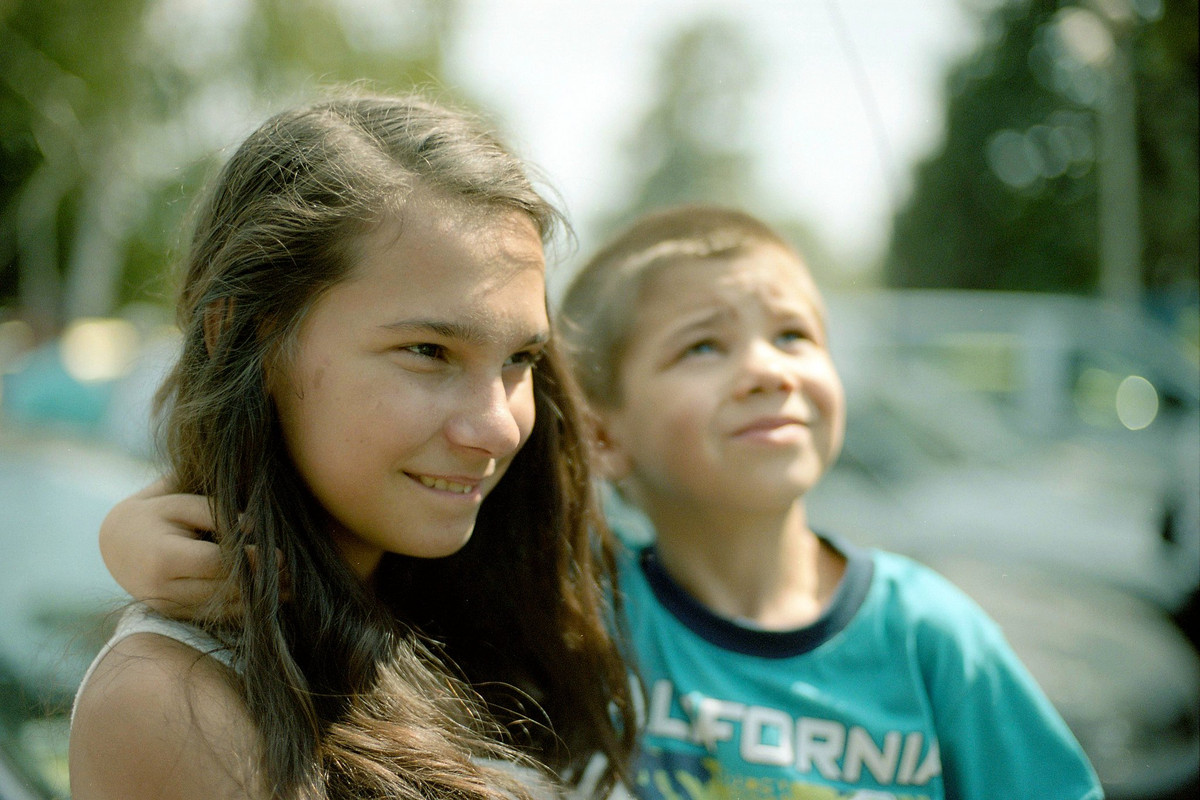
WINNER: Ursula Parker
Take Me to the River is an extraordinarily unsettling film, and much of the credit for that has to go to 10 year old Ursula Parker. What's great about Parker's performance as Molly is how much she keeps us guessing. How aware is Molly of how she behaves? How much of what happens at the river is something she planned? How much is improvised? How much was suggested to her? We could probably read each of these things into her performance. There are moments that betray a level of calculation that seems beyond Molly's years, but also disarming moments where she is just like any 9 year old girl. It all plays into a performance that suggests an intelligent young actress who reminded me of Elle Fanning at the same age.

Best Supporting Actor/Actress
Kyle Chandler: Carol
Roxane Duran: Evolution
Jack Farthing: Burn Burn Burn
Angeliki Papoulia: The Lobster
Robin Weigert: Take Me to the River

I actually said 'awesome' under my breath when Kyle Chandler's name came up in the credits for Carol. Over the past few years (I think Super 8 was the first time I noticed him) Chandler has become one of Hollywood's best go to character actors, adept at turning in a rounded performance in a short time, and he does it again here. The other male actor on this list was less familiar, but it was a very close run thing between him and my winner in this category. Jack Farthing brings such rich life and energy to Dan in Burn Burn Burn that as you see him getting sicker his friends' sense of loss becomes palpable, like the film itself, Farthing beautifully judges the line between comedy and tragedy. Roxane Duran has the most limited role here, but it is her otherworldly presence that gives Evolution a great deal of its effect, and there are a lot of subtleties to her physical performance that set her apart in the film's hermetically sealed environment. Robin Weigert's performance, by contrast, is all about being down to earth. There is a lived in feel to her character in Take Me to the River which makes the film's fraught family dynamics credible and all the more disquieting for that.

WINNER: Angeliki Papoulia
Angeliki Papoulia has been a fixture of Yorgos Lanthimos' films since her astounding turn as the Eldest Daughter in Dogtooth. In The Lobster she's a more peripheral figure, but hilariously perfectly cast as 'The Heartless Woman'. Papoulia has often seemed, in Lanthimos' films, like a woman who tries to avoid engaging with emotion so that she can avoid being hurt, this role takes that persona to its nihilistic conclusion. Her desert dry delivery makes the most of brutally funny lines like "There's blood and biscuits everywhere" (look, it works in context) and her still presence alone is unsettling. I hope this marks the start of more English language work, because more people should know about Papoulia.

Best Screenplay
Charlie Covell: Burn Burn Burn
Efthymis Filippou, Athina Rachel Tsangari: Chevalier
Yorgos Lanthimos, Efthymis Filippou: The Lobster
Micah Magee: Petting Zoo
Matt Sobel: Take Me to the River

I'd be intrigued to know how the collaboration works, and how it differs, between Efthymis Filippou and, respectively, Yorgos Lanthimos on The Lobster and Athina Rachel Tsangarai on Chevalier. Certainly what these and his other collaborations with the leading lights of the Greek new wave suggest that Filippou has a very particular tone and vision, but the screenplays are very different in other aspects. This perhaps is where the collaboration comes in. Either way, these are two great screenplays that both manage to say a lot while making us laugh. We'll come back to Petting Zoo's Micah Magee and Burn Burn Burn's Charlie Covell shortly

WINNER: Matt Sobel
What I admire in this screenplay is much the same as the qualities I admire in the two performances I've singled out in the film. Sobel manages to ground us in a believably fraught family dynamic, while also generating a truly unsettling tone around the secrets that the family keep. Sobel holds a lot back; how far did things go in the past? How much of what happens between the kids in the film is manipulated by the adults, and how intentionally? I like that the script, as well as simply being smartly written and drawing some very complex characters in short order, allows these questions and others to remain open, it ensures that the film lives in your mind after the credits roll.

One To Watch [Actors]
Carolyn Genzkow: Der Nachtmahr
Devon Keller: Petting Zoo
Charlie Plummer: King Jack
Ondina Quadri: Arianna
Moran Rosenblatt: Wedding Doll

The five young actors I've mentioned here each have an undeniable cinematic presence that shines through, in some cases eclipsing the weaker parts of their films. I found Arianna to be a pretty standard issue European coming of ager, but Ondina Quadri's assured performance and the intimacy of the insight she gives us into Arianna serves notice that she's a talent to watch. Quadri's performance can be prickly, by contrast Moran Rosenblatt's, as a girl with learning disabilities who fantasises about her wedding in Wedding Doll is the most open, likeable and brightest of the festival. It is impossible not to be charmed by her, but Rosenblatt's performance is also rich in technical detail, creating a disabled person who is specific rather than a collection of tics. Carolyn Genzkow also has to deal in technical detail in Der Nachtmahr, playing a young woman whose mental illness has become so profound that she is seeing it physicalised. She too pulls this off while creating a character who we end warming to and feeling for, which makes Genzkow's work all the more affecting as she slips deeper into delusion. Alongside all this fresh female talent, Charlie Plummer is no less impressive in the title role of King Jack it's a tough, spiky and often unsympathetic role but Plummer pulls it off brilliantly. He manages to create empathy for Jack, he never tempers the character's hard edges, but rather makes us see why they exist.

WINNER: Devon Keller
It's probably no surprise that Devon Keller gives such a totally unaffected and credible performance in Petting Zoo. The film was shot in her home town, including at at her own high school, immediately after she graduated, which goes to explain why her character feels so grounded in her environment. All of Keller's work in the film has an improvisatory quality, not in the showy way we see in a lot of Hollywood comedy, but in that everything she says feels like we are observing a real situation, perhaps even through a documentary lens. If she can retain that naturalism in her future work, in roles more removed from her circumstances, then Keller could be very special indeed.

One To Watch [Crew]
Charlie Covell [Writer]: Burn Burn Burn
Robert Eggers [Writer/Director]: The Witch
Tom Geens [Writer/Director]: Couple in a Hole
Michael J. Larnell [Writer/Director]: Cronies
Micah Magee [Writer/Director]: Petting Zoo

All of the people on this list had their first feature films at LFF this year, and what's especially heartening for me isn't just the level of talent, but the variety on display. Michale J. Larnell's Cronies may be a scrappy film and an obvious debut, but his skill at working with actors and bringing individuality to his characters voices signals interesting things for him in the future. Micah Magee's screenplay for Petting Zoo is set apart by the observational quality of the dialogue. This is a film that could easily be mistaken for a documentary, both in terms of its writing and direction. I'll be intrigued to see whether Magee can bring that to a film drawn less from her real life in future. Working slightly more with genre in Couple in a Hole and The Witch respectively, Tom Geens and Robert Eggers both delivered striking and often intensely creepy horror films, both rooted, though very differently, in extreme psychology. Interestingly, each also benefits from an intense performance from Kate Dickie. I can often find myself getting down about the future of cinema, these people suggest I shouldn't be.

WINNER: Charlie Covell
There is little more I can say about my admiration for Charlie Covell's screenplay for Burn Burn Burn. She pulls off a brilliant balancing act with it, tone is so easy to get wrong, and yet she judges the balance between the film's sadness, its comedy and its character relationships all but perfectly. As well as containing some of the festival's best jokes ("blood and biscuits", from The Lobster, still wins though), Burn Burn Burn has at least a couple of its most wrenching emotional moments, in beautifully crafted monologues from Alex and Dan. However, the real joy of this screenplay often comes in the asides, little jokes that make us laugh as well as drawing a picture of the closeness of the main characters. It's a hugely promising first feature. 

Jan 4, 2015

Top 20 Films I discovered in 2014: Part 2

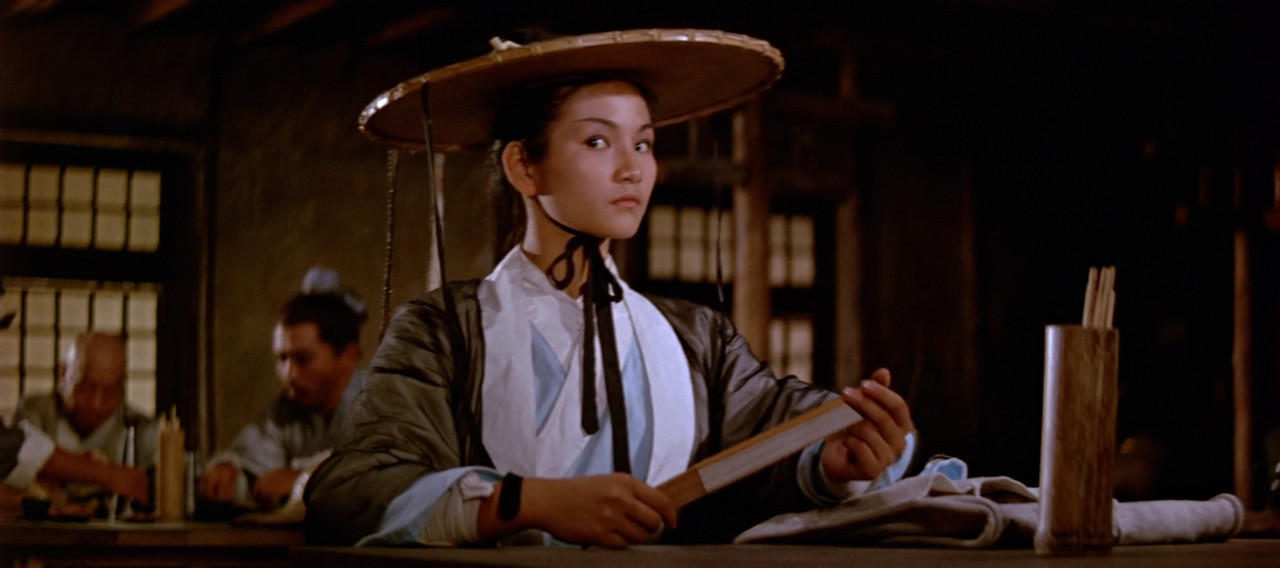
Come Drink With Me
As a martial arts fan, Shaw Brothers films have long been a conspicuous gap in my viewing and I decided to catch up with a few of them in 2014.

This is perhaps one of the more prestigious films in the Shaw catalogue, having been directed by King Hu, whose A Touch of Zen is considered a martial arts classic and a cornerstone of the wuxia genre.  Come Drink With Me is a somewhat more down to earth take on wuxia, predating Hu's epic. 

It has a fairly typical plot about a female martial artist (the legendary Cheng Pei Pei) training in order to go up against an evil abbot who has allied himself with a group of bandits, but like most martial arts films it hinges not on the plot but on the action.  The style is less frenetic than what Jackie Chan and Sammo Hung would start to do in the late 70's, but still hugely impressive and excitingly choreographed and shot.

Come Drink With Me has another great asset in its star, Cheng Pei Pei, here just 19, and in her first major film role.  As well as being skilled in the film's martial arts sequences, Cheng is a striking presence, not just beautiful (though she is, to a degree that makes the fact she's disguised as a man for much of the film very funny) but charismatic, able to effortlessly hold a camera with one steely gaze.

Come Drink With Me is an ideal gateway film, an introduction to a different style of martial arts cinema and to one of its greatest stars.

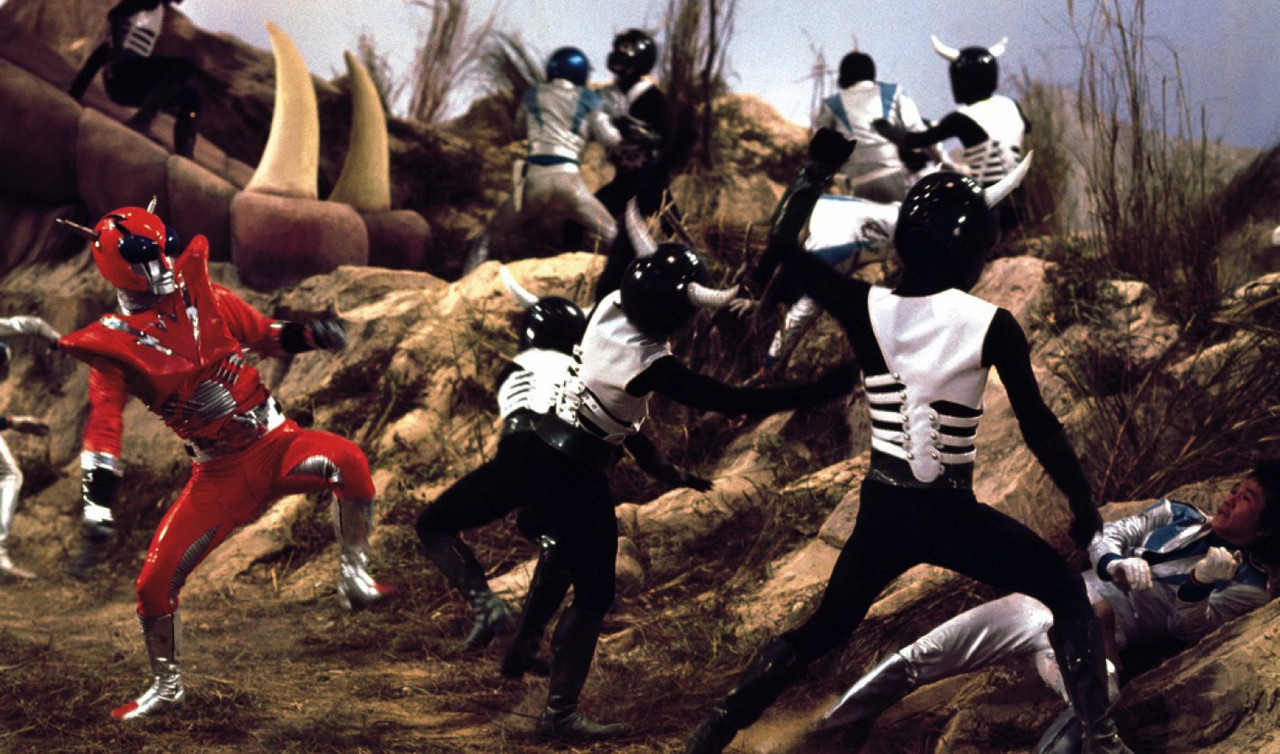
Super Inframan
Super Inframan is rubbish.  It is brilliant, brilliant rubbish.

It's basically Shaw Brothers does Power Rangers, only with one Inframan in place of the five rangers.  It's an incredibly cheap and nonsensical piece of work, full of gloriously silly translations for the dialogue, guys in ropey rubber outfits playing the monsters and some wonderfully cheesy effects.

Two things keep Super Inframan from simply being rubbish; first is the fact that it has some legitimately cool action.  Silly as they may be, the big fight sequences trump Power Rangers because, while the suits could have been knocked up on the director's mum's kitchen table, it's clearly people in them fighting.  The main reason the big battles in Power Rangers were never much fun was that it was always obvious they were using slightly upscale toys to shoot them.

The other thing that saves Super Inframan is its sense of its own silliness.  It's not a parody, but there is certain glee about it that suggests the filmmakers were well aware of what they were doing.  I can't recommend it highly enough as a beer and pizza movie.

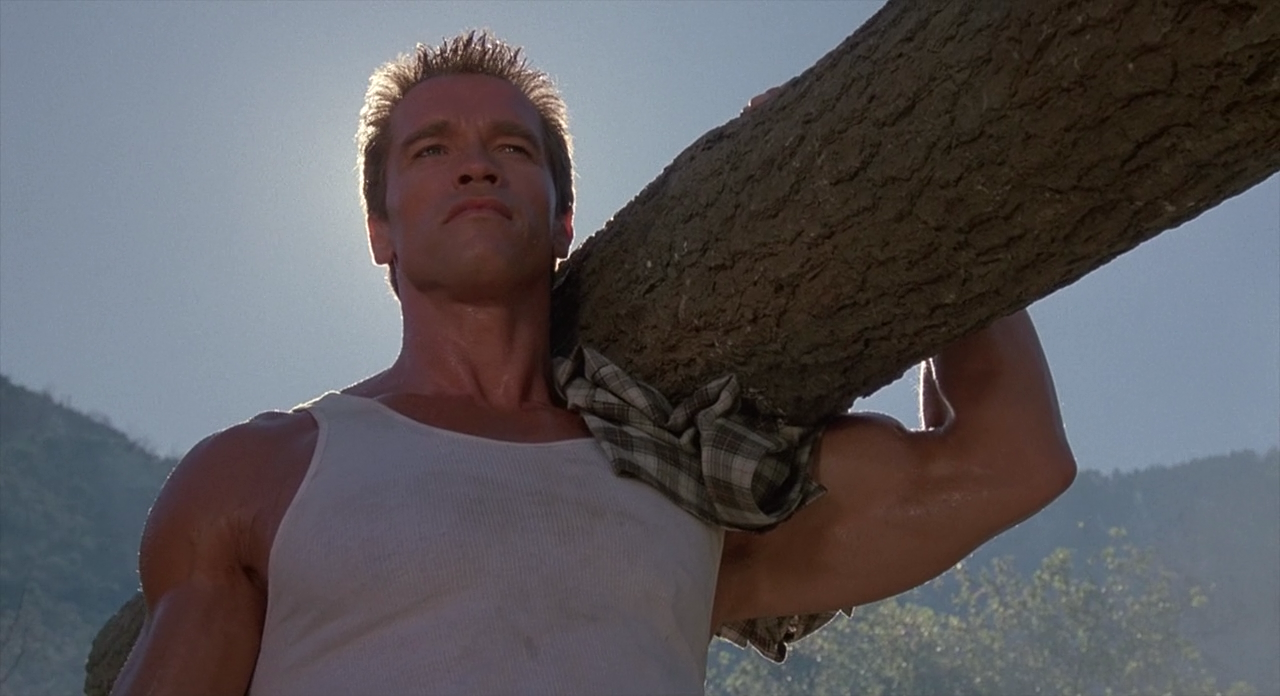
Commando
Okay, I'd seen bits of Commando before this year but, for some unfathomable reason, I had never got round to sitting through the entire, magnificent, thing.

This is perhaps the best of Arnold Schwarzenegger's straight up action movies.  It doesn't have the sci-fi trappings (or the ideas) of the Terminator films, the tension of Predator or the parodic tone of True Lies.  Commando is an exercise in simplicity: Arnie's daughter is kidnapped, he wisecracks and murders his way to discovering where she is, then steals a shitload of weapons and kills half the population of an island to get her back.

Simple this may be, easy to get right it is not.  Schwarzenegger may not be the most gifted actor, but he can deliver a wisecrack and kick ass with best of them.  Commando knows how to deliver on both fronts.  Director Mark L. Lester keeps the action just the right side of absurd; it's clear that most people shouldn't be able to live through this movie, but equally clear that it's operating slightly beyond the rules of the real world (call it action movie physics) and that Arnie's not most people.

The script isn't smart, but it is a lot of fun (my personal highlight?  Bill Duke and Arnie's "Fuck you asshole.   Fuck YOU asshole." in the middle of their brilliant fight).  This also goes for the performances.  Schwarzenegger was always a slightly ridiculous presence, and it seems there's a contest here to see who can match him.  Dan Heydaya's accent, as the dictator of Valverde, takes an early lead, but it's Vernon Wells' villain and the unintentionally (?) homoerotic way he talks to Arnie that eventually wins.

Commando may not be a landmark of artistic achievement, but holy crap it's fun.

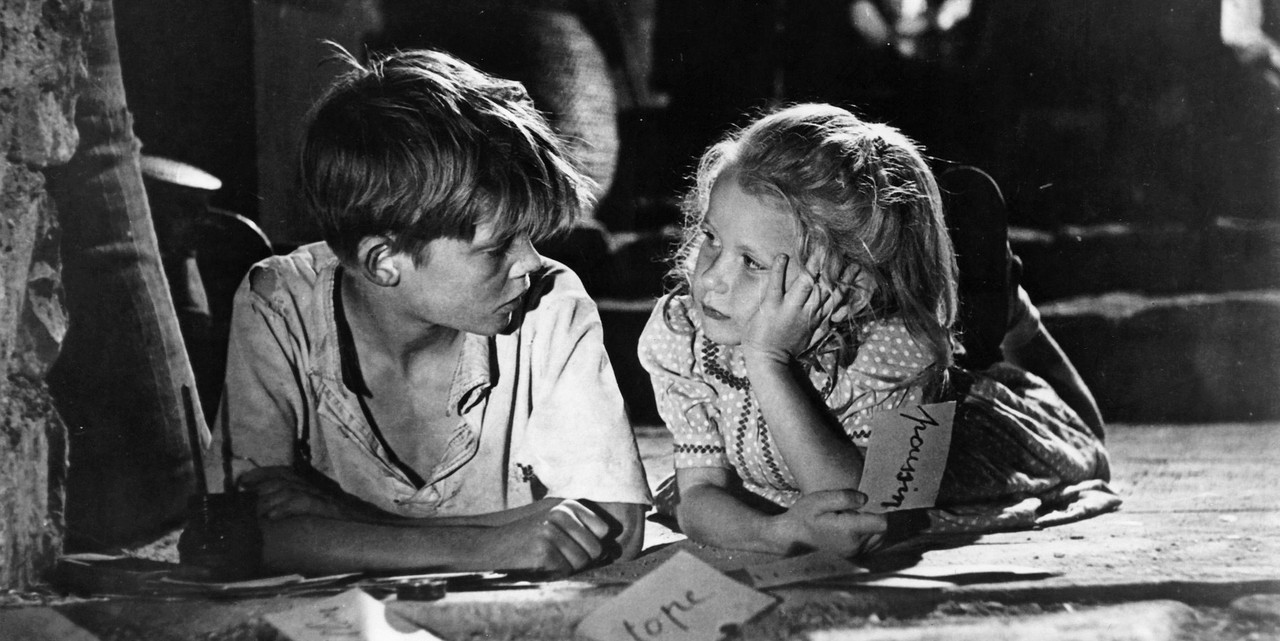
Jeux Interdits
My abiding memory of Jeux Interdits is its last scene, with Brigitte Fossey's Paulette crying out "Michel, Michel" and me sitting in my seat dissolving into tears. 

This is an incredibly sensitively written and played film about how the innocence of childhood can continue even in the midst of something terrible.  When Paulette's parents are killed in an air raid, she wanders off, eventually ending up meeting Michel and being taken in by his family at their farmhouse.

The events of the film are small; a rivalry between Michel's family and their neighbours; Michel's older brother and the girl next door having a secret relationship; Paulette and Michel building a secret pet cemetery, their way of coping with the detah and destruction around them.  This is all engaging, but at its heart Jeux Interdits is about the growing brother/sister relationship between Michel and Paulette, and how it's a comfort after Paulette's loss and as Michel's brother is dying.  That's why the ending is so crushing.

This is a beautiful film, visually and in other ways.  It's rare that something hits me so hard emotionally.

Flickan
International distribution is broken.  How else to explain the fact that this gorgeously shot, exceptionally well acted, moving coming of age film has still not had a UK release despite being released in 2009 in its native Sweden?

Flickan [The Girl]  is about a nine and a half year old girl (Blanca Engström) who is left behind when her parents and older brother travel to Africa to spend the summer doing charity work.  Her aunt comes to look after her, but the Girl soon contrives a way to get her to leave, spending the summer alone.

That's pretty much the entire film.  It zooms in closely on her day to day life, showcasing an extraordinary performance from Engstrom (who will finally have another film out in 2015).

The film's other standout aspect is its photography, by Hoyt Van Hoytema, better know for his work on Let The Right One In and Interstellar.  He gives Flickan a sort of magical realism that seems to capture very well the feeling of possibility open to the Girl while she's on her own, but also some of the scarier aspects of her situation.

Flickan isn't easy to describe, rather it's a film you just have to sit down with and immerse yourself in the character's world for 90 minutes.  Trust me, it will be rewarding.

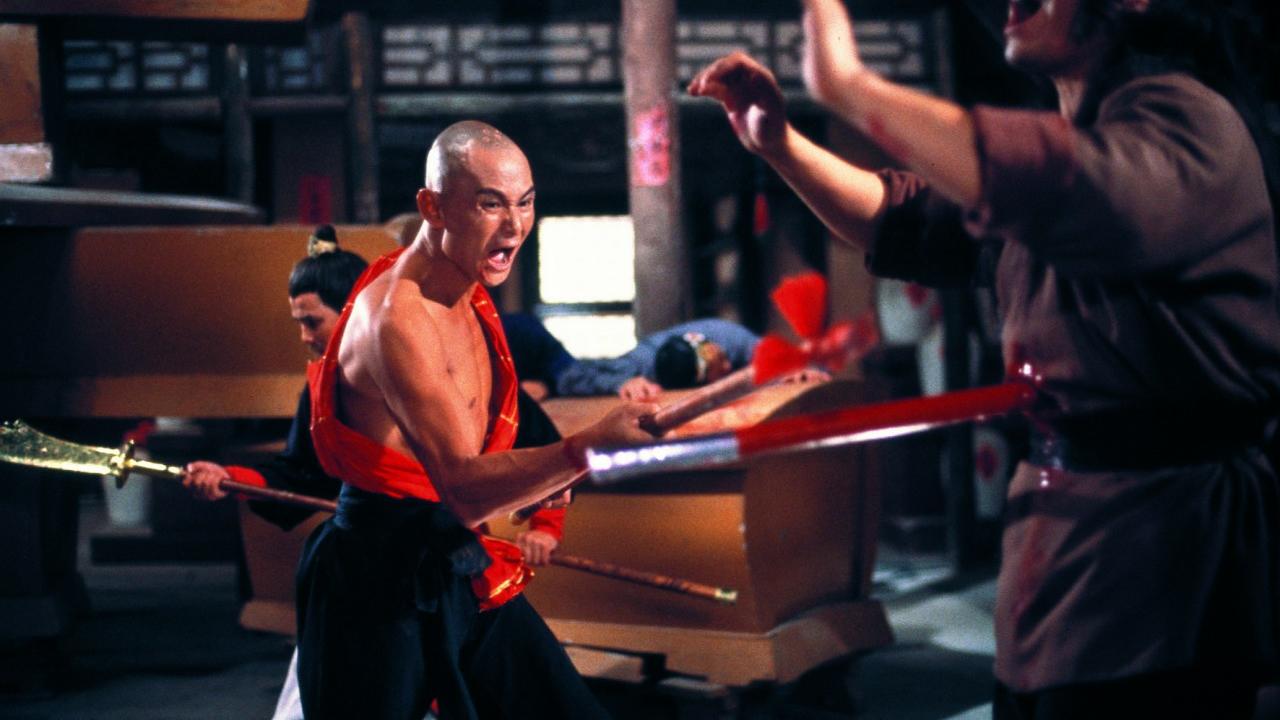
Eight Diagram Pole Fighter
Today in 'things that do exactly what they say on the tin...'  

This is the last of my discoveries of 2014 to come from the famed Shaw Brothers studio, a late example and a contemporary of the likes of Jackie Chan's Project A.  In some ways you can see the effect of the changing style; this is a faster moving film than, say, Come Drink With Me, but it still conforms to many of the old tropes of martial arts cinema.

The story is another of those old tales of revenge, in this case General Yeung Yip and five of his seven sons are murdered by a rival in a single attack.  One of the surviving sons returns home, deeply traumatised.  The other (Gordon Liu) goes to a monastery where, after finally proving that he wishes to be a monk, he trains in pole fighting.  When the man who killed his father and brothers kidnaps his sister (Lily Li) he leaves the monastery for vengeance.

As ever, the story and performances (though both are perfectly solid) are not our first concern here, the action is.  On that front Eight Diagram Pole Fighter more than delivers.  It's a great combination of the classical Shaw style with, thanks to Liu and director Lau Kar Leung, a little extra speed and intricacy, reflective of the newer style over at Golden Harvest.

The opening ambush scene is about ten minutes long, and seems impossible to top, but the film manages it over and over again, especially with the scene in which Liu uses a cart full of improvised bamboo spears.  There's little to analyse here, which means you can just sit back and gawp at the non-stop action scenes.  Never a bad thing in a kung fu movie. 

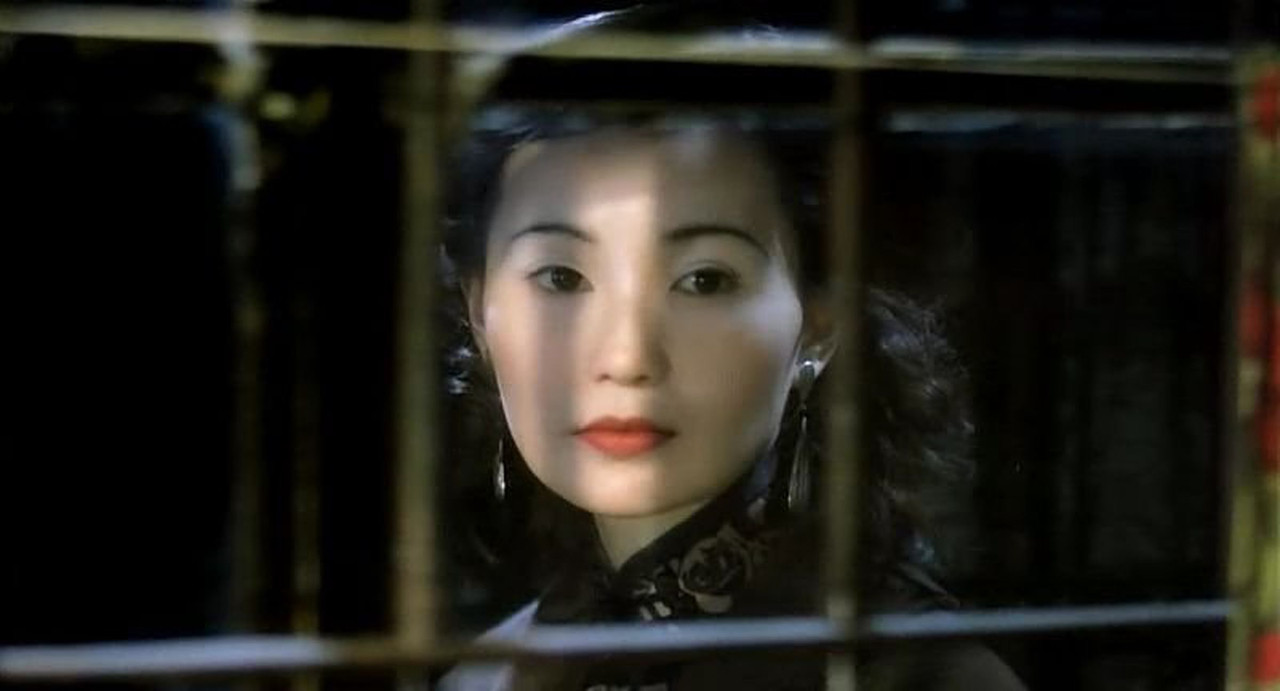
Actress
Actress (also known as Center Stage) isn't an easy film to see, especially in its complete version, which runs roughly 150 minutes.  This was what we thought we were getting when I saw it at BFI, but the print turned out to be a 130 minute cut.  Exactly what this version was prepared for is hard to tell, as none of the four cuts listed on imdb runs at 130 minutes.  That said, whatever was cut I am dying to see it and whatever version you see this film in I imagine it will be well worth it.

Stanley Kwan's biopic of Chinese silent star Ruan Lingyu, who killed herself aged 24 is ambitious thing.  Most of it focuses on her complicated private life, in which she was having affairs with two men.  Other sections recreate her performances in films both lost and extant, and this bleeds into what could be called behind the scenes segments, showing Kwan and Maggie Cheung, who plays Ruan, discussing the performance and Kwan directing her.

Through this mix of techniques, Kwan and Cheung give us a good idea of why Ruan is still such a fascinating figure, and the glimpses of her films bear both this and the absolute eeriness of Cheung's performance out.  Maggie Cheung has always been a striking screen presence, but this is the best performance I've seen from her, she seems to embody Ruan in the on screen moments, which helps give the more typical biopic stuff that forms the bulk of the film real credibility.

Cheung is especially wonderful in a party scene late in the film.  We're aware at this point that this is Ruan's last day, and it's made all the more tragic because Cheung is full of vivacity in the scenes leading up to her quiet and sad death.

Actress is an unusual film in many ways, but perhaps mostly because it can be seen as an exploration of two fascinating actresses; Ruan Yuling and Maggie Cheung both, at some level, playing the same role. 

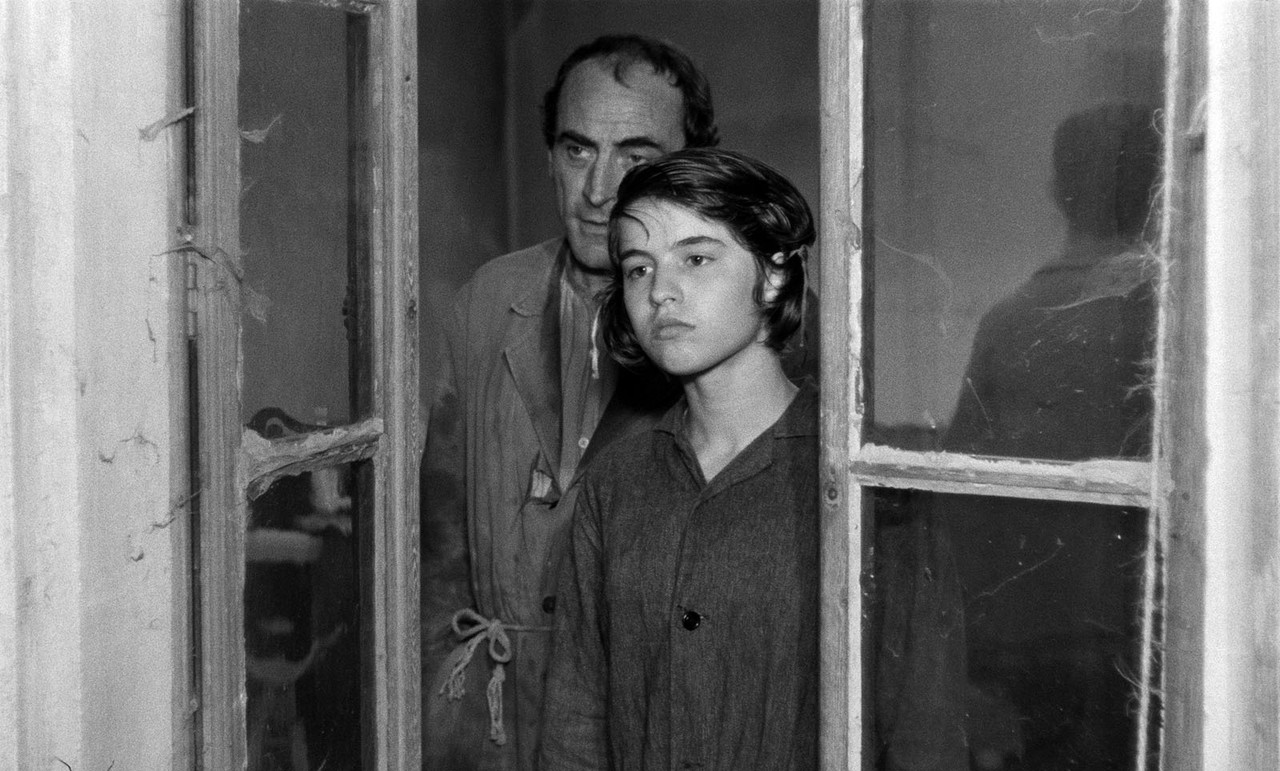
Mouchette
There seems to be a trend in European and Scandinavian coming of age films in that the young actors who play the leading roles often go on to do little or no subsequent screen acting.  It's a pity that this is true of Nadine Nortier, whose expressive performance here remains her sole screen appearance.

Mouchette divides roughly in half, with the first part showing Nortier's home life with a dying mother and controlling father and the second seeing her venture into the woods at night where she encounters a poacher who tries to get her to be an alibi for the fact he has just killed someone.  

In between these sequences is one beautiful glimmer of light.  At one point Mouchette goes to a fairground that has come to town and as she rides the dodgems we see her first moment of pure escapism in the film as she plays and innocently flirts with a boy in one of the other cars, sadly the moment is quickly shut down by her father.

The film turns on Nortier's performance, and specifically on her face, which Robert Bresson often focuses his camera on.  So much of the effectiveness of the film comes through the various little calculations we see Mouchette make, especially in the increasingly tense second half.

In just two films (The Trial of Joan of Arc being the other) I've come to appreciate Bresson as a great humanist filmmaker.  I hope the rest of his films are as acutely observed.

The Third Man
I'm often wary of films described as being among the best ever made, because there seems to be very little chance of them living up to their hype.  That's probably why I had skipped The Third Man, often named as one of the greatest British films ever made, for such a long time.  I'm not certain it earns that lofty a title, but I can certainly see the argument.

As with a lot of classic films, even though I hadn't seen it, I knew much of the plot going in and that as Joseph Cotten searched for Harry Lime I knew that, eventually, he would find Orson Welles.  For a film to work as a thriller under those circumstances is quite something, and a testament to both the performances and Carol Reed's direction.

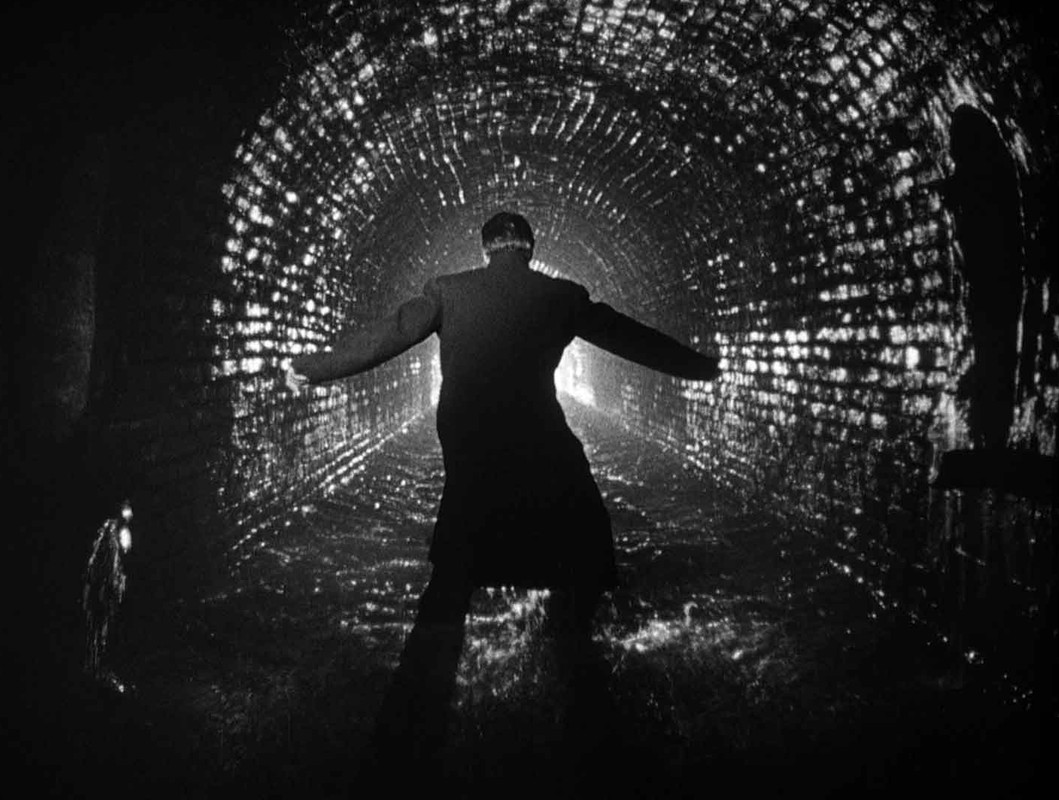
Visually the film is iconic and its last few sequences, with Lime on the run through the sewers of Vienna, are especially stunning.  The noirish visuals play out the story, including the final choice made by Cotten's Holly Martins in regard to his friend Harry, in starkly expressive visual terms.  Gripping as the story is, The Third Man would be exciting purely as a series of images, and that surely is as highly as one can praise a film. 

Intolerance
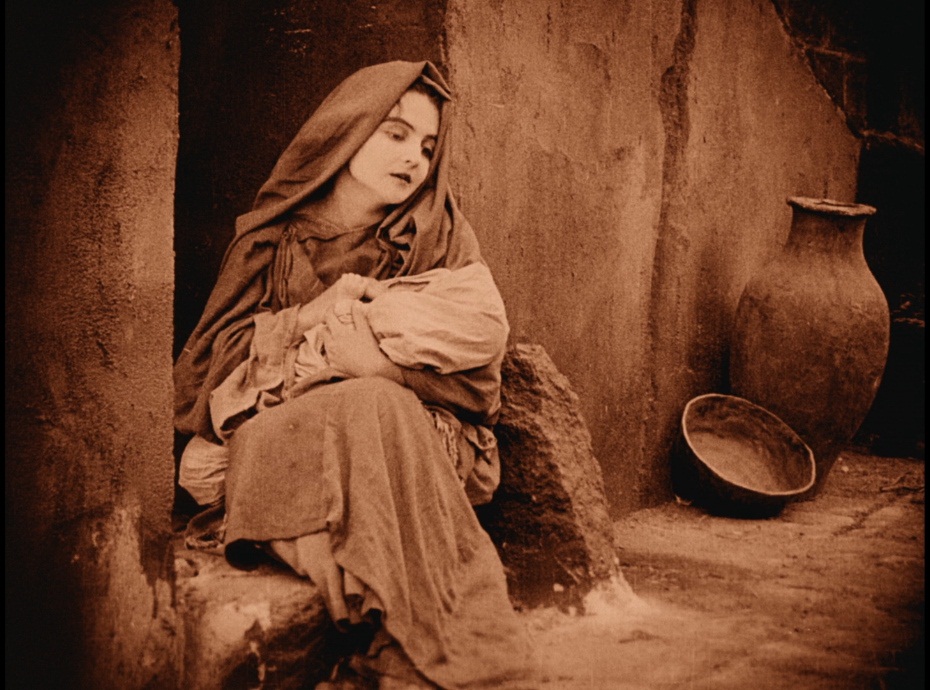
Watching DW Griffith's groundbreaking 1915 film The Birth of a Nation is essential for any real film lover, as it's like watching someone spend three hours inventing modern cinema.  It's also quite uncomfortable, because it's racist.  Really racist.  The KKK are the heroes, that's how racist.  The following year, some have said as a reaction to the criticism that Birth of a Nation's racism attracted, Griffith made this; an epic scale four part parable about intolerance.  Subtle he wasn't.

The scope of the ambition on display here would be jawdropping even now.  There are four thematically linked stories, the contemporary story of a young woman (Mae Marsh) forced into the slums whose husband is wrongly convicted of murder; the story of the St Bartholomew's Day massacre in 16th century France; the story of Christ's conviction and crucifixion and no less than the story of the fall of Babylon.  Griffith cuts between the stories throughout, mixing them at an ever greater pace and with ever greater parallels drawn as the film runs through its 167 minute duration, building to a crescendo that juxtaposes the final fall of Babylon with a race to save a man from the gallows.  Again, Griffith isn't subtle, but he's effective.

The sets and the cast are both gigantic, the apparent scale of the task obvious in every frame of the Babylonian story, which still startles with some of its violence and nudity.  Silent film acting is something that takes some adjustment for modern audiences as the style is so different.  Most of the cast acquit themselves well, but Mae Marsh and Constance Talmadge particularly impress, Marsh as the put upon 'Dear One', who seems to age shot by shot in the modern story and Talmadge as the tough and funny 'Mountain Girl' in the Babylonian section.

As visceral and thrilling now as it must have been 99 years ago, Intolerance may not be as significant a film as Birth of a Nation, but it may well be better.

Jan 2, 2015

Top 20 Films I discovered in 2014: Part 1

For me, 2014 was a weak year for new movies.  That's not to say there weren't highlights, by my Top 10 was tough to draw up this year, and not because there was an abundance of choice.  

On the other hand, I've also seen a lot of films this year that were new to me, but which weren't released in 2014.  Here, across two parts, are the 20 best, listed in the order I watched them in over the year.

The Vampire Lovers
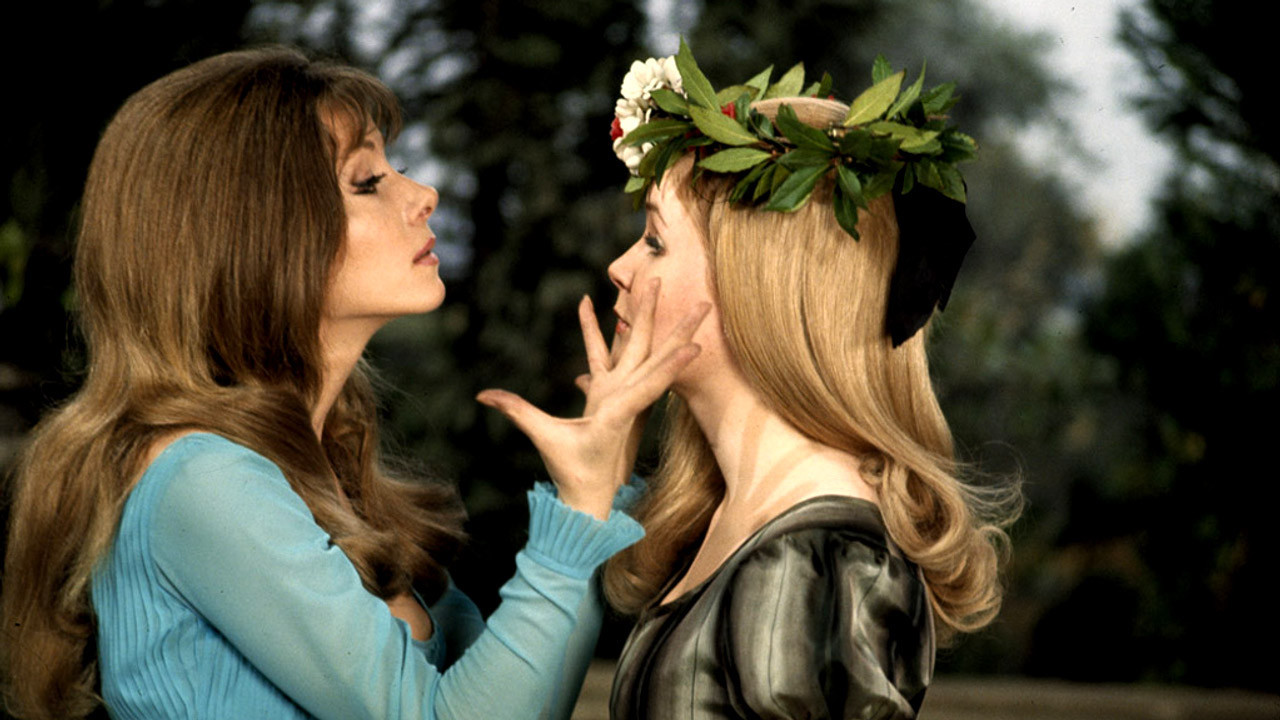
I hadn't seen many Hammer Horror films before this year, and The Vampire Lovers was the film that set me off to explore a few more of their productions, in particular the Karnstein films; a loose trilogy of then quite daring, now slightly quaint, but still sexy, lesbian vampire films based on Sheridan Le Fanu's Carmilla.

The Vampire Lovers is the most entertaining of the series (Twins of Evil and Lust For A Vampire would follow it), thanks largely to the performances which, though they are very much of a type, work well with the tone of the film.  Madeline Smith is all doll like cuteness and naivete as Emma Morton, while Ingrid Pitt's Carmilla oozes overblown sexuality.  Their scenes together are both sexy and creepy as you feel Emma being drawn ever deeper under Carmilla's spell, first through a naively trusting nature, then through Carmilla's mesmerising influence.

This is not the deepest of horror films, but director Roy Ward Baker fashions some memorable images and today the bits that might look a little silly or the occasional cheap looking set have a creaky charm to them.

The Lost Honour of Katharina Blum
This film is about to hit its 40th birthday, but in many ways it couldn't feel more timely.  Angela Winkler gives an outstanding performance as Katharina Blum, who is arrested, treated with suspicion and humiliated by both the police and the press after she is found to have spent the night with (and fallen for) Ludwig, a wanted anarchist terrorist.

The film is gripping and thrilling on its own terms, with Winkler's performance matched by Jurgen Prochnow as Ludwig and Dieter Laser as a journalist who sells fabricated stories about Katharina.  However, what's remarkable, and rather sad, is that it could easily be a film about the tabloid press of today.  The fact that the ITV drama about the 'odd' landlord vilified in the press in the wake of the murder of Joanna Yeates was titled The Lost Honour of Christopher Jeffries must surely have been a nod to this film.

A riveting, intelligent and exceptionally well acted thriller, this would deserve to be sought out even if it weren't disturbingly relevant in the light of contemporary media.

Cria Cuervos
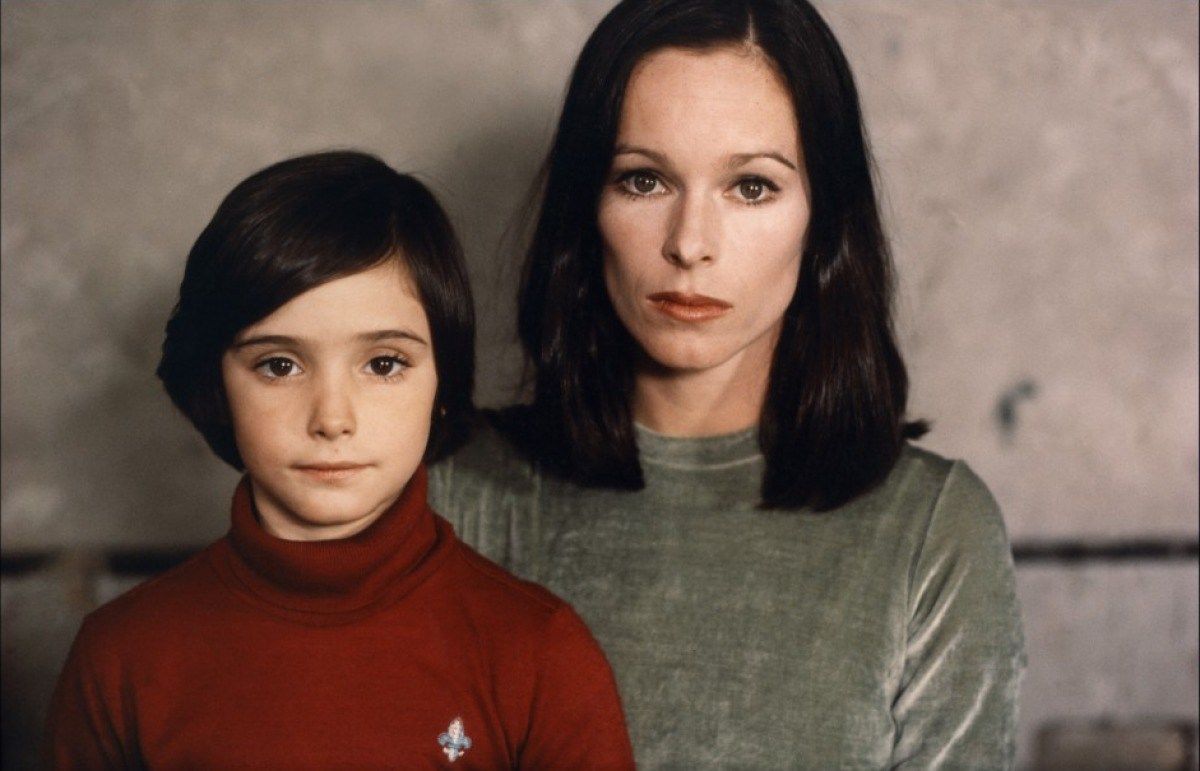
A project on coming of age movies (which is continuing into 2015) led me to see a lot of great performances by children and young people in 2014, but few, if any were as remarkable as Ana Torrent.  Torrent is just eight here, but she exhibits a remarkable maturity as an actress, allowing her to give a chillingly and sadly detached performance as a young girl who seems to be trying to understand and come to terms with the death of her Father, which happens in the film's first scene.

There are touches of surrealism - with Geraldine Chaplin's dual roles, one of which is dubbed, adding to that feeling - but what really grips about Cria Cuervos is how believable Torrent's performance is and how articulately she engages with the difficult subject matter.

It's strikingly shot too, with images of an impassive Torrent having her hair combed, or carrying a gun she's found, sticking in the mind.  The use of music is also memorable, with the film finding three different registers in which to use the same cheesy, but hypnotic, pop record.  By the end both Porque te Vas and Ana Torrent will be stuck in your head.

Prime Cut
Prime Cut was a film I had always wanted to see, had owned for quite some time, but for some reason had never got around to watching.  When I finally did sit down to Michael Ritchie's film I found something you tend not to see these days; a dirty little exploitation movie with a great cast, a smart script and a tendency to take itself seriously.

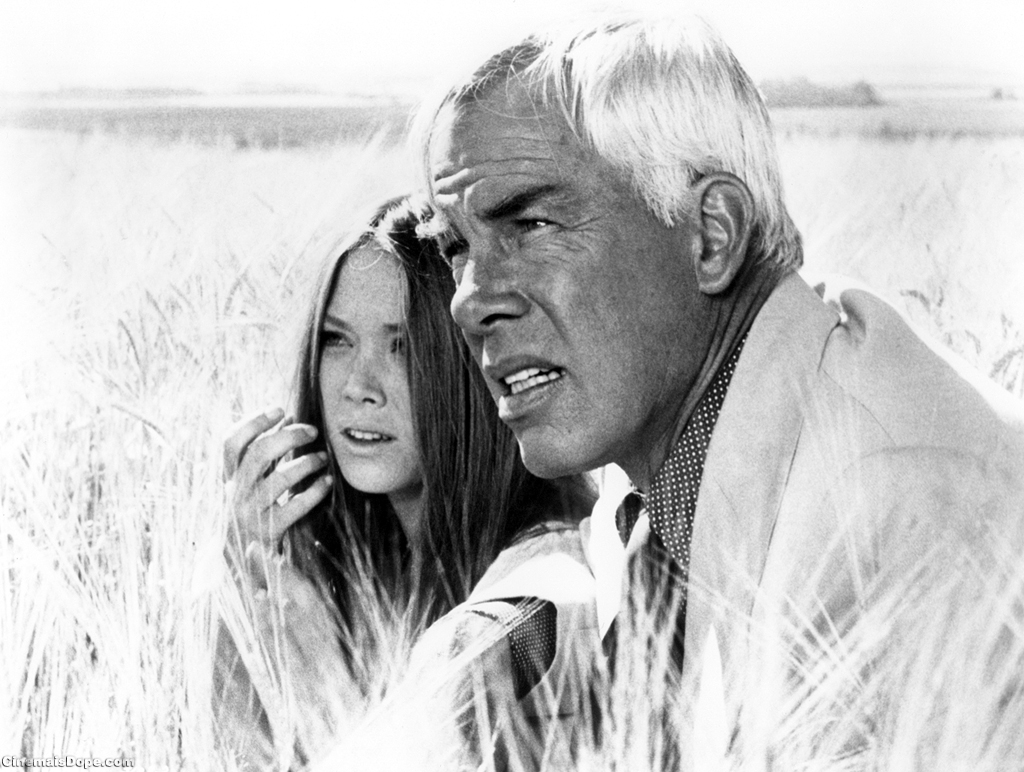
This was also my first Lee Marvin film, but it won't be my last; he's impressive as a morally ambiguous anti-hero who, despite being a ruthless mob enforcer, has a distinct moral code.  Gene Hackman is odious in a relatively early role as a cattle rancher who also sells young women on the side, and grinds his enemies up to make sausage (I told you it was an exploitation movie).  The film's real find is Sissy Spacek, here just 23 and at the height of her willowy beauty.  She's excellent as one of the girls Hackman is trying to sell, who is then rescued by Marvin.

Prime Cut has plenty of memorable sequences. An extended chase through a corn field, with Marvin and Spacek in danger of being cut to pieces by a combine harvester, stands out.  It's a terrifically paced sequence, with the danger approaching slowly at first but coming frighteningly closer every second.

Criminally, Prime Cut still has no UK disc release, but I promise you, for any exploitation fan this one's worth importing. 

The General
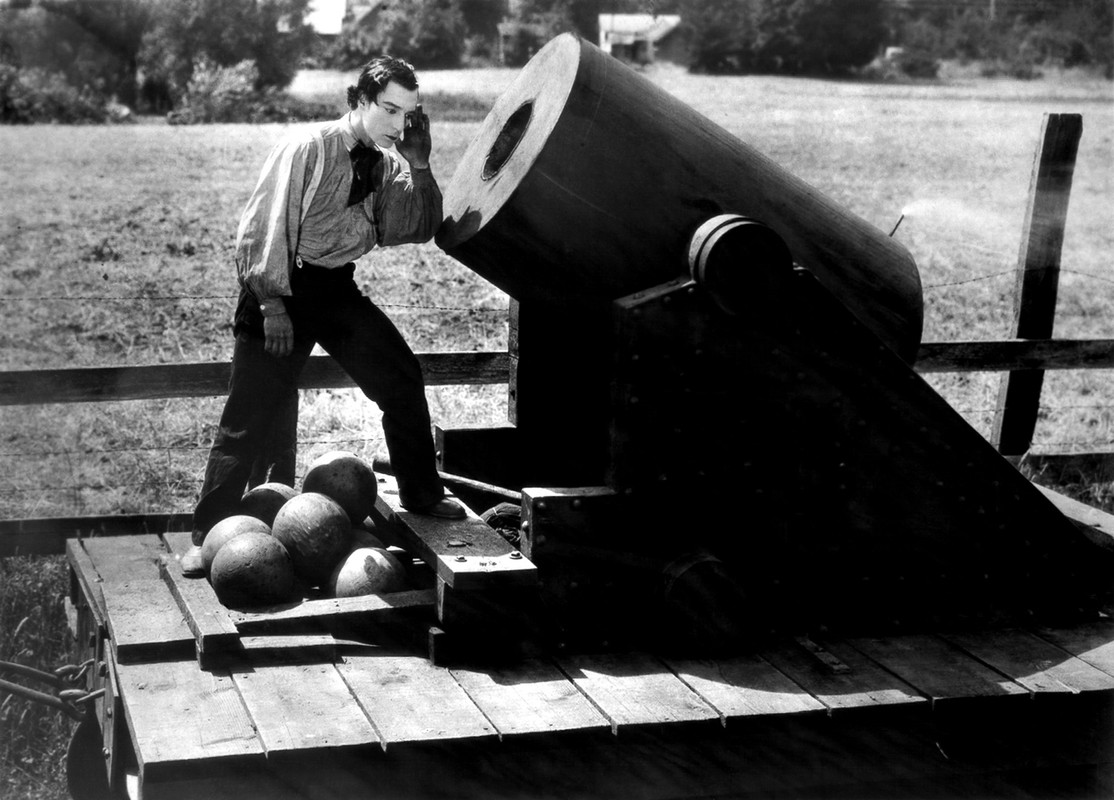
This wasn't, historically speaking, my most belated first watch of 2014 (that's in part 2), but I'm still a little ashamed that it took me so long to see my first Buster Keaton film.

In many ways The General was familiar, my whole movie watching life I'd seen images, clips, references and films and comedians who have been influenced both by this movie and by Keaton , and yet, The General still surprised and delighted me.

There is no more surefire way to murder comedy than to explain it (except perhaps casting Rebel Wilson), but with Keaton I did find that famous stoneface, combined with the dexterity and invention of his physical comedy to be hilarious.  This I expected, what I was less ready for was how The General managed to be thrilling and funny in the same moment.  I saw it the same day as Jack Ryan, and Keaton's was by far the better action film.

The timing as Keaton uses one sleeper to bounce another off the tracks and the many remarkable stunts, especially the bridge explosion, achieve a visceral charge, through being real, that today's CGI 'action' can't match.  It's no wonder Jackie Chan cites Keaton as a key influence.

I've still got a lot of silent film to catch up on, but Keaton is a high priority after this.

Les Diables
Like most British movie fans, if they know her at all, I first saw Adele Haenel in Celine Sciamma's Water Lilies.  It was only when doing research into coming of age films that I heard of Les Diables.  

Haenel and Vincent Rottiers play a brother and sister, abandoned by their parents to the care of the state, perhaps largely because Chloe is severely autistic.  Her brother Joseph is severely protective of Chloe, and when he feel that their latest children's home is pulling them apart, they go on the run to try to find their parents.

Typically of European coming of age films, Les Diables is hard edged.  It doesn't shy way from the harsh realities of Joseph and Chloe's lives either when they are abandoned, when they are in the children's home or when they are out in the streets.  The closeness of their relationship is another thing you just wouldn't see in an American or British film, as it goes to some uncomfortable and explicit places.

Rottiers is excellent; all bottled up rage, but it is Haenel, just 13 here, who runs away with the film, giving an extraordinary performance as a severely autistic young woman.  I've worked with people like Chloe, and Haenel gets them exactly right.

Les Diables is brutal, but it's also provocative and moving, and shows off two extraordinary performances from its young stars.  Seek it out, because there's almost no chance, thanks to Haenel's nudity, it will ever get released here.

The Spirit of the Beehive
I did tell you that Ana Torrent was something special, as far as child actors go.  Aged just six here she gives a remarkably rich, mature performance in her first film.  After seeing Frankenstein at a mobile cinema that sets up in her village young Ana begins to believe in monsters, insisting the one lives in an old abandoned house.  In that house she finds a wounded soldier, who she begins to care for, bringing him food and clothing.

Throughout, the juxtaposition between Ana's real world and her fantasy world, where the soldier is a monster and she's the equivalent to the little girl by the pond in Frankenstein, becomes ever more blurred and, as in Cria Cuervos, leads to some unsettling moments.  Most notable is a moment when, during a game, Ana's older sister appears to be seriously hurt, if not dead.  The way that we see Ana process this, and the way that Torrent and director Victor Erice let us wonder, to unsettling effect, just how much she understands in this moment, is remarkable on several levels.

Ultimately The Spirit of the Beehive is an emotional and even elegiac film about childhood innocence in troubled times.  It's one of the best of its kind.

Mauvaises Frequentations
Another European coming of age movie from my research, and another that is tougher and more downbeat than most coming out of the English speaking world.  Theis one sees 14 year old Maud Forget brought out of her shell when she becomes friends with Lou Doillon, but that's a mixed blessing, as it becomes clear that the boyfriends who say they want them to run away from France with therm are in fact using the girls, especially the naive Forget.

Mauvaises Frequentations falls into quite distinct halves, with Forget's friendship with Doillon making up a sunny opening,  which then leads into a real gut punch of a final hour, which goes further than most films in digging into how awful people, even kids, can be to each other.  Throughout, Forget is outstanding, her physical delicacy and the character's trusting nature lending her real sympathy.

On the sidelines is another moving story about the earnest, movie loving, boy next door who wants nothing more than to take Forget on a date.  Yeah, I can't imagine why I identified with that either, particularly when his heart gets stomped on.

This is another film that never appears to have had a sniff of a UK release, and that's a great pity. 

Totally True Love
I maintain that Little Manhattan, which is basically Annie Hall with ten year olds, is one of the most underrated and underseen films of recent years.  Totally True Love feels like a slightly more down to earth take on the same themes of the very first time that a kid has romantic feelings.

In this case the kid is Anne (Maria Annette Tanderød Berglyd), who falls for the new boy in school, Jorgen (Otto Garli), the second she sets eyes on him.  However, she has a rival for his affections in the most popular girl in their class.

The film is brilliant on the politics of the playground, with friendships made and broken over the tiniest things and an innate understanding of both the earnestness and the pettiness that little kids are capable of.  It feels like the film was written by people who still remember enough of what being a kid was like to understand it from their perspective, rather than comment on that perspective as adults.

There's terrific energy to the film, set down in the first moments by Anne's voiceover (which is very funny) and by Maria Annette Tanderød Berglyd's performance and that's also key to the feeling that this film is talking to the kids its about in a way that's intelligent and not talking down either to them or to adult viewers.

From the outside, Totally True Love might look like a rather slight kids film, but it's smarter and more insightful than that, as well as being masses of fun.

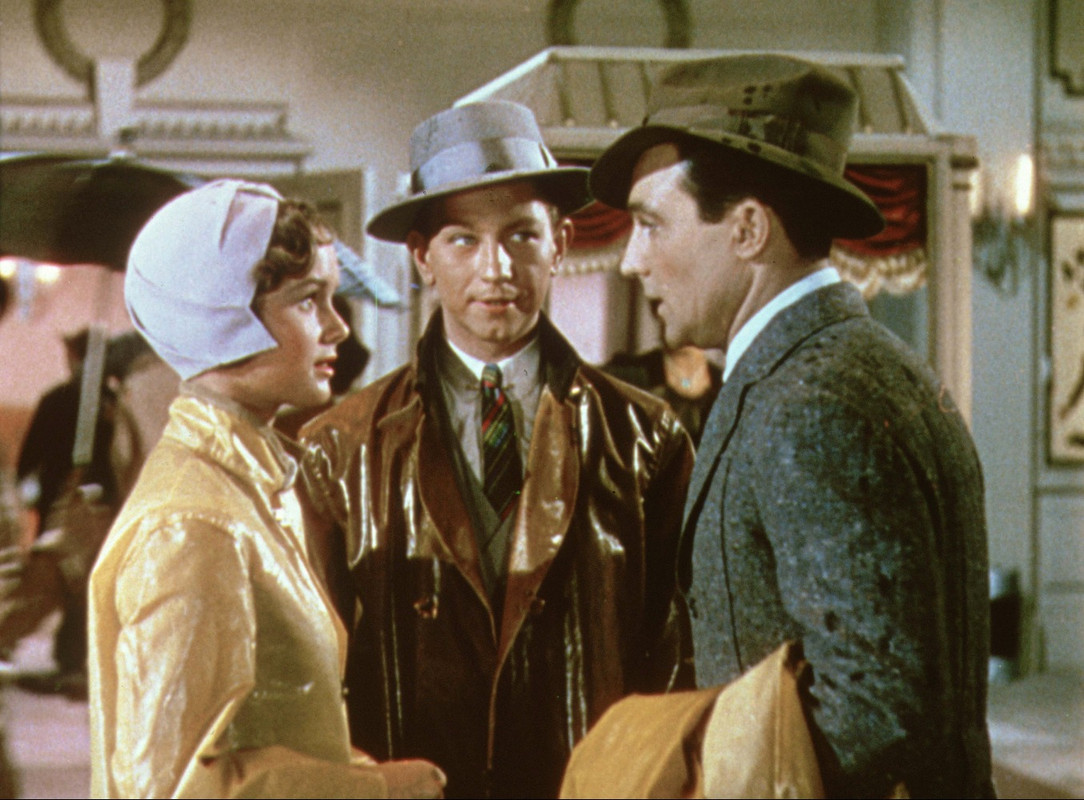
Singin' in the Rain
As soon as I read the title I'm humming that tune, which is probably as good a recommendation as any musical can get.

Singin' In The Rain sometimes seems less like a film and more like an experiment in bottling joy.  It's largely successful.  There is a plot, set around Hollywood as the silent era ends and talkies begin, but for me the film exists more as a series of comic and musical set pieces.

I thought that The General would provide the ultimate masterclass, at least during my 2014 viewing, in physical comedy, but I had reckoned without the incredibly energetic yet graceful clowning of Donald O'Connor in this film, especially during his spectacular slapstick showcase in Make 'em Laugh.

O'Connor very nearly steals the film, but Debbie Reynolds is charming and funny and Gene Kelly, even outside the iconic title song - whose brilliance is undimmed even after being exploited in that advert a few years back - has a great many memorable song and dance sequences of his own.  The standout for me was the dance he has with Cyd Charisse, who is breathtaking in that green dress.

This is another film I can't believe I managed not to see until so recently, but it certainly won't be long before I revisit it.  Any time I'm having a bad day would seem to be an opportune moment.

Dec 29, 2014

The 10 Best Films of 2014

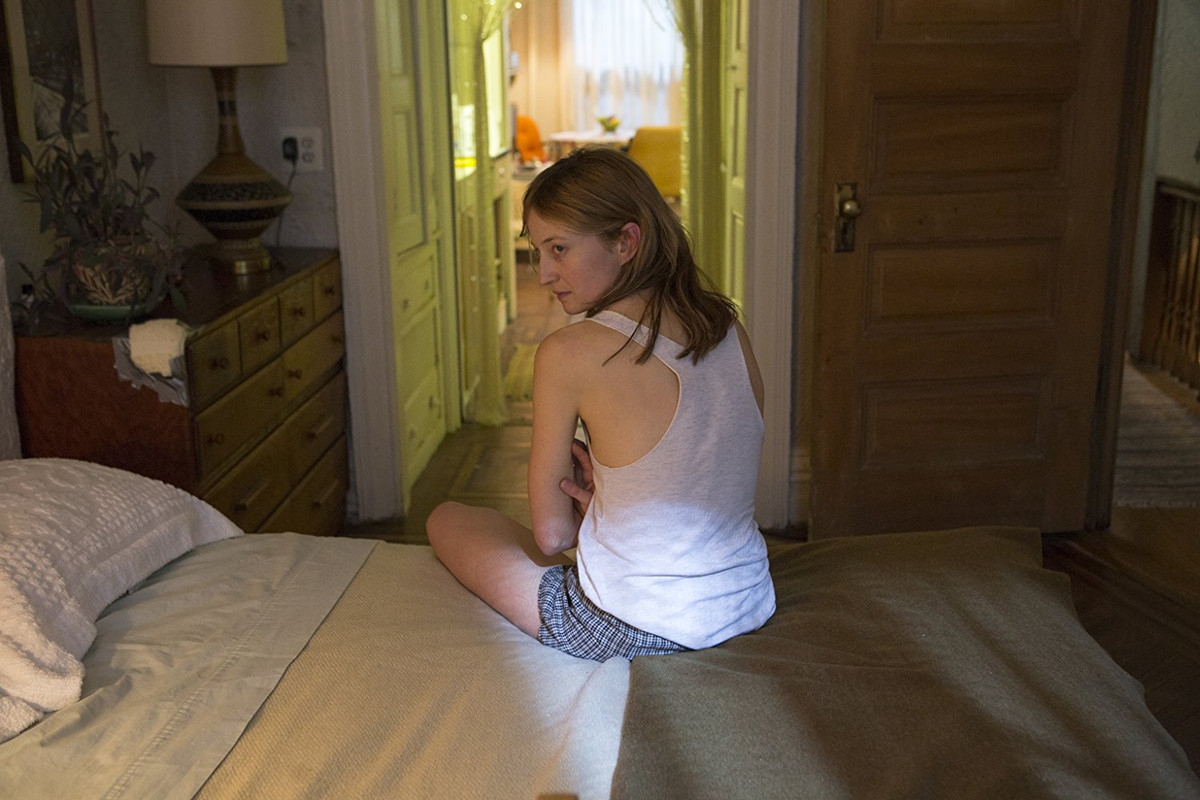
10: Hungry Hearts
Most of the best films that came out of this year's London Film Festival - at least for me - are set for a UK release next year, but Hungry Hearts still seems to be an exception and while it's not without flaws it is well worth tracking down.

In its opening moments the film advertises itself as one thing; a romantic comedy.  It does so well, with a meet cute between Adam Driver and Italian actress Alba Rohrwacher which is both cute and funny.  It keeps this tone until after the couple are swiftly married and have a child.  It's then that Hungry Hearts begins to reveal itself as something rather different than the film you have thus far been watching.

In its second act the film mutates, folding in elements of paranoid thriller and body horror, as Rohrwacher's Mina becomes ever more unhinged in her concern for her child's safety and particularly that food of almost any kind will harm him.

The style of the film changes too, with one striking sequence towards the end of the second act employing a fish eye lens for an effect something like Repulsion via Cronenberg.  I might have put Hungry Hearts higher up this list, but for the fact that as it twists one final time in its last three minutes it lands on one of the worst endings any good film has had for some time.  Until then though, this is strikingly strange and original work.

9: Waiting For August
Waiting For August was that rare thing; a surprising film, but it wasn't just the fact it was surprising, but the manner in which it was surprising that really impressed me.  For 88 minutes I had assumed, having been given no contextualising information to the contrary, I had been watching an ultra realistic fiction.

I had been impressed by the depth and nuance of both the naturalistic performances and the unobtrusive, observed camerawork, and moved by the intimate glimpse into the lives of a family of kids, left at home in Romania while their mother works away in Italy.  It was only afterwards, doing some research for my review, that I discovered I had been watching a documentary.

It was an interesting mistake to have made, but it didn't change my admiration for Waiting For August, nor what I thought was best about it.  It remains an honest and intimate insight into a reality that a lot of kids, likely including many with parents working here in the UK, are living.

Geo, the 15 year old who emerges as the main carer for her siblings while their mother is away, is an engaging presence with a bright personality that not only leaps off screen but also keeps the film from becoming too downbeat.

Waiting For August makes some important points without lecturing its audience and marks director Theodora Ana Mihai as one to watch, I'll be intrigued to see what she comes up with next, especially if she moves into fiction filmmaking. 

8: The Garden of Words
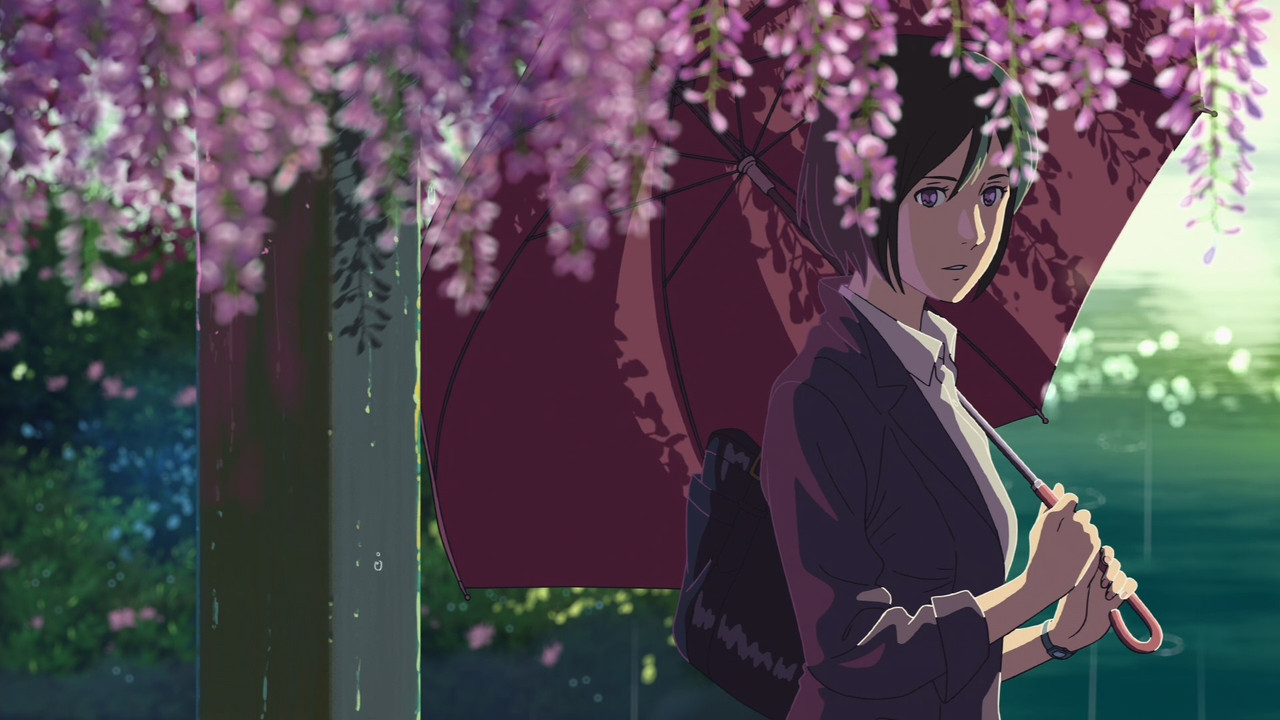
When the question is asked which directors are making the most visually stunning films of the 21st century, I would wager that, probably because he's an animator, Makoto Shinkai's name doesn't come up terribly often.  That's a pity, because this mid-length film (just 42 minutes) is one of 2014's most beautiful, and it follows a set of films - 5 Centimeteres Per Second, The Place Promised in Our Early Days, Children Who Chase Lost Voices From Deep Below - that mark him out, for me as the Terence Malick of anime.

This minor key film sees a boy of 15 skipping school one rainy day and going to a park to sketch.  There he meets a woman in her late 20s, they talk and, over a series of rainy days in the park, develop a connection.  It all goes much as you'd expect, and the one major twist is obvious from some way out, but the film develops its own languorous rhythm, the images are ravishing from start to finish and the voice acting is nuanced, forging a connection between the characters.

The penultimate scene is Shinkai's only misstep here; he rushes and overplays a key moment in a way that goes against the prevailing tone of the film.  However, that's only two minutes, and this wobble aside, The Garden of Words is beautifully crafted.  A minor work in Shinkai's canon, perhaps, but still one well worth seeking out.

7: The Guest
It won't win me any friends saying this, but I wasn't very fond of Adam Wingard's You're Next.  It had a solid final girl in Sharni Vinson and it's always nice to see Barbara Crampton but otherwise I found it a very ordinary home invasion film.  The Guest is a further step away from the mumblegore of A Horrible Way To Die, but for me this tilt at the mainstream (and explicit John Carpenter homage) is easily Wingard's best film to date.

I never watched Downton Abbey, but nevertheless I was aware that his role as an Iraq war veteran who ends up staying at the family home of one of his former, now deceased, fellow soldiers, represents a significant change of pace for Dan Stevens.  Of course that's not the whole story with either the film or the character, and Stevens achieves a fine balance between charming and sinister as he inserts himself into family life.

There are good performances all round, with Maika Monroe another memorable final girl, but the film really belongs to Adam Wingard and his regular collaborator Simon Barrett.  Barrett's screenplay has a dark wit and while it probably won't stand up to much analysis, it does at least try to have some political subtext.  

Wingard's images take centre stage here, with the 80's inflected design reflected in his framing, the lighting choices (heavy emphasis on neon and on bold colours) and extending into the synth driven soundtrack.  The style mutates throughout, with the tension of the first half giving way to first an action movie then a great sequence straight of a slasher classic, right down to the closing image.

The Halloween dance setpiece is the film's standout sequence, with shots that nod to Lady From Shanghai (or Enter the Dragon, if you prefer not to associate a movie like this with Orson Welles) and one of my favourite music cues of the year, as the final confrontation plays out to a beautiful remix of Annie's Anthonio. 

Wingard may make his influences obvious, but this is clearly his film, and after it I'm anxious to see his next one.

6: The Rover
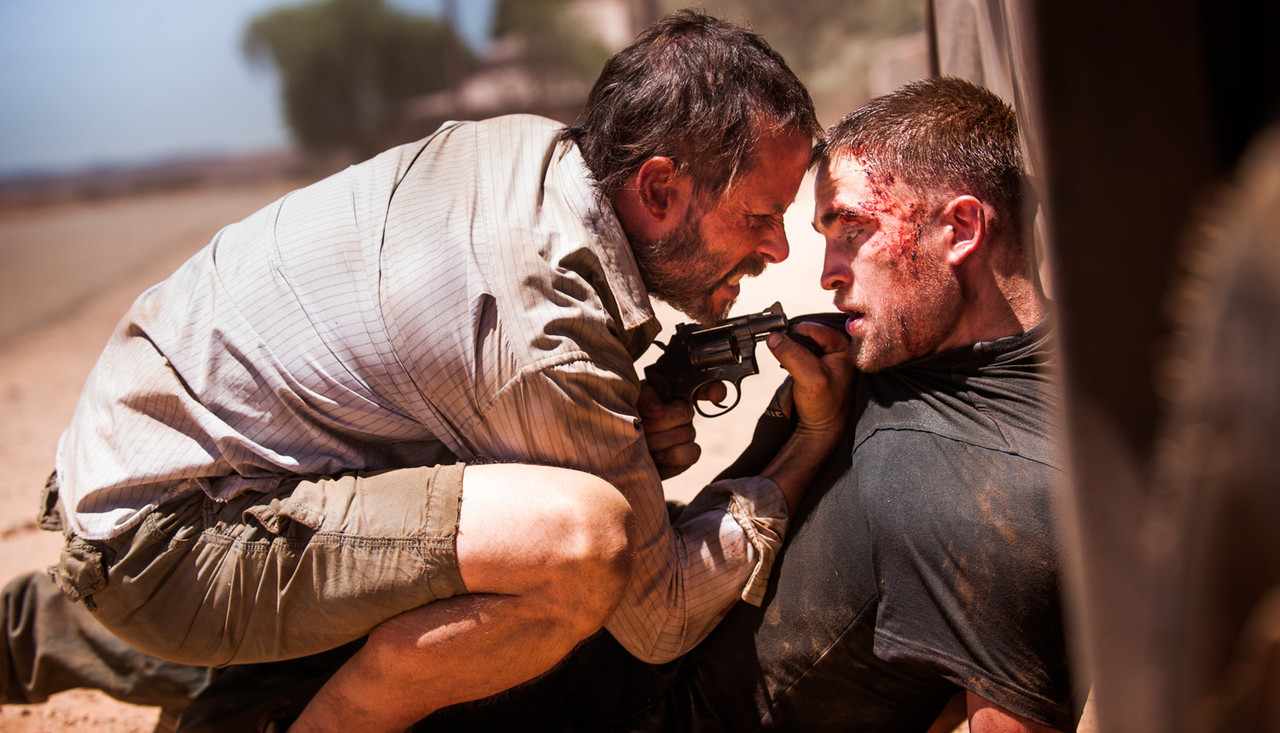
Robert Pattinson has proven to be one of the biggest surprises of the past few years.  Having made his name with determinedly expressionless turns in the Twilight series and dozed through Bel Ami, he seems to have suddenly woken up one day and decided to challenge himself.  The result has been not just an apparent improvement in his work but a total redefinition of his career.  He's become one of the most interesting young actors around.

In David Michôd's post-apocalyptic revenge flick, Guy Pearce plays a man whose last possession, his car, is stolen.  He tears off after the people who took it, soon wounding and capturing their mentally slow brother (Pattinson). This kicks off an unusual, brutal, road movie.  Pearce and Pattinson, though both characters of few words here, forge an interesting relationship that develops credibly into something almost brotherly.

I loved the bleak world the film built up, the grim sense of inevitability about the final conflict and the late reveal of exactly why that car was so important, which makes a sad kind of sense given the reality of the film's world.  It was only marred by the fact that the discordant soundtrack that helped set the film on edge was sometimes muted by the Bollywood film playing in the next door screen.


5: Stations of the Cross
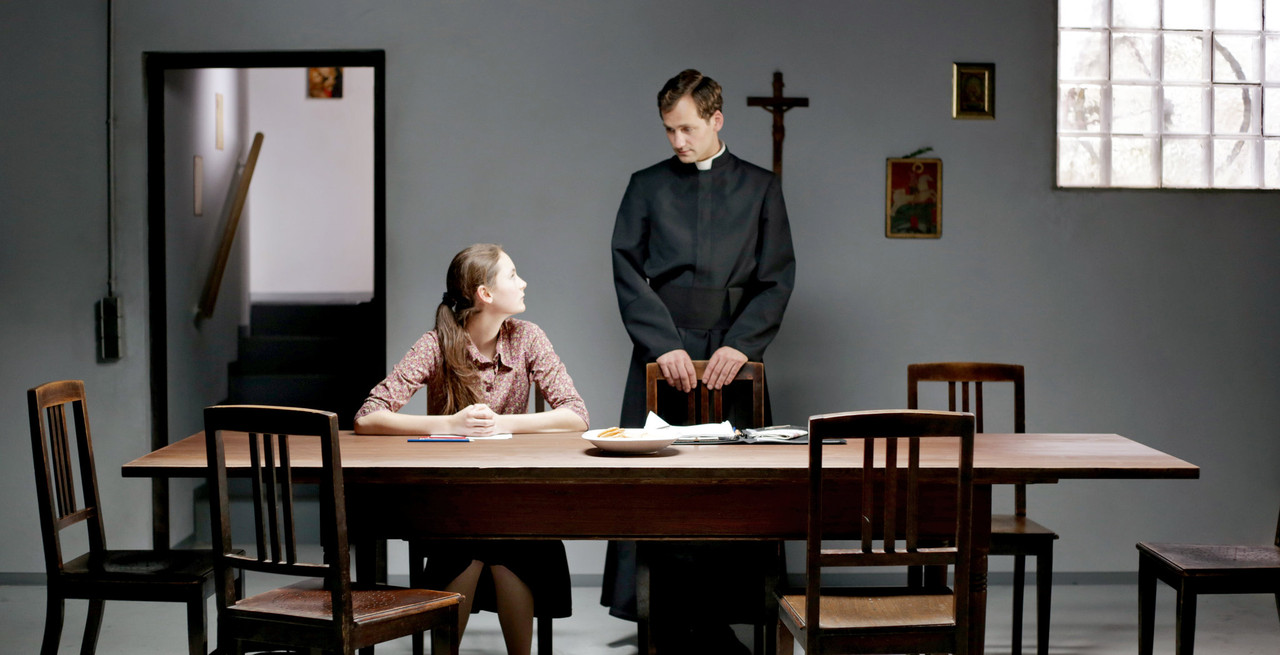
Dietrich Brüggemann's austere coming of age drama, written with his sister Anna, is set amongst a family who are members of a strictly traditionalist Christian sect and centres around 14 year old Maria's (Lea Van Acken) desire both to have a tiny measure of normality in her life and to please God, partially in the hope that her autistic youngest brother will be cured.

Telling his story in a series of almost entirely static tableaux, with titles mirroring the stages of Christ's journey to crucifixion, Brüggemann signals pretty heavily where things will end up, but the best things here are in the details, rather than the overarching plot (which can lean a bit too heavily on a strained metaphor by the end).

The static camera serves twin purposes.  In medium to long shots it forces you to get sucked into each frame, exploring the details and watching for the nuances, this is especially effective in a dinner table scene when Maria is punished for talking to a boy and lying to her mother (a scary Franziska Weisz) about.  There are many subtleties in the physical performances that speak volumes about how the other characters are reacting to this moment and your eye is forced to them.  

In closer shots the static camera forces your attention on to the tiniest subtleties of the performances, and Lea Van Acken delivers a spectacular début.  In the film's finest scene she confesses her 'sins', the most serious being a passing fantasy about holding hands with a boy.  The camera is tight on her the whole time and every little nuance, every feeling, comes through in her face.

The last 20 minutes are sometimes a little heavy handed, but that can't stop Stations of the Cross from being a must see.

4: Ida
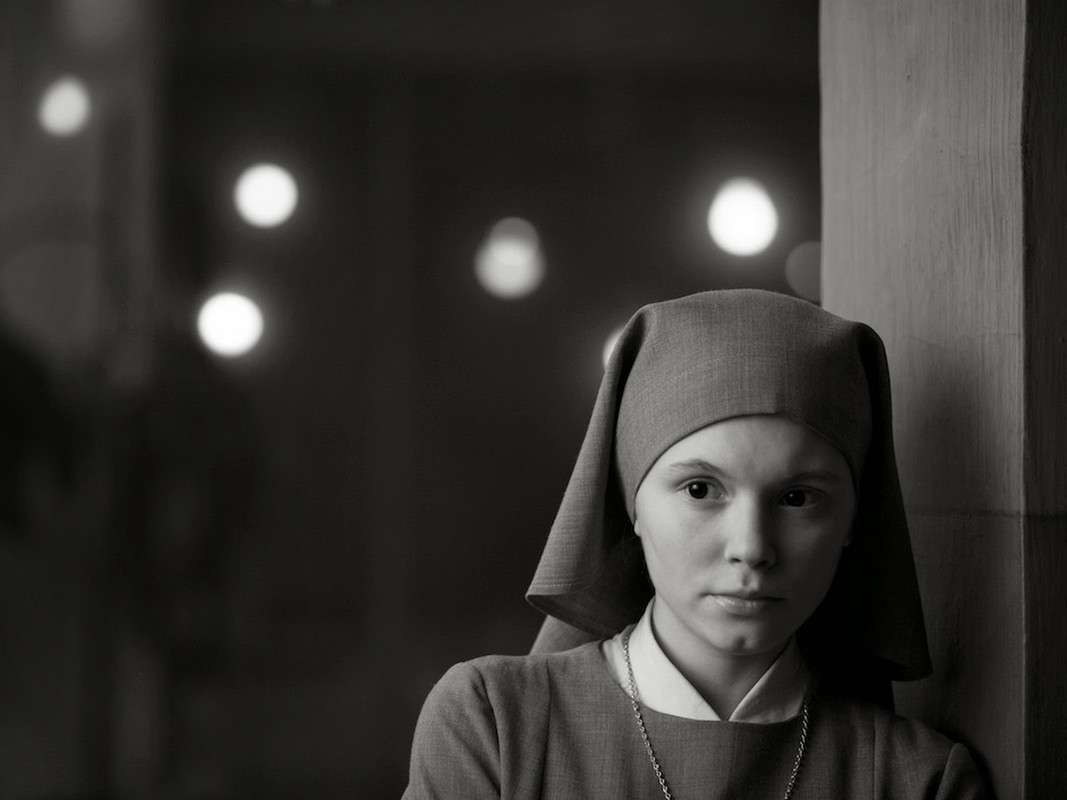
Ida does have a meaningful, moving, story (about Anna, a young nun in training who, before taking her vows, goes on a road trip with more wayward aunt to find the graves of her parents, murdered during the nazi occupation of Poland) and two exceptional performances at its centre, but it exists in my mind, and has done since 2013's London Film Festival, largely as a series of images.

By far the most beautiful film of 2014, Ida's imagery is all the more remarkable in that Pawel Pawlikowski's longtime cinematographer, Ryszard Lenczewski, who apparently didn't like the idea for the film, left days into shooting, leaving his assistant Lukas Zal to make his debut as a cinematographer on a feature film.  Zal more than rises to the challenge.  His images have a faded beauty, the black and white conferring an almost otherwordly feel and the exaggerated headroom in the 4:3 frame giving a sense of something hanging over Anna, be it God or the weight of her decision about whether to return to the convent.  It's a work of art and one of the most beautifully and originally framed films I've seen for ages.

The performances are perfectly pitched, especially the quiet, contemplative work of newcomer Agata Trzebuchowska as Anna.  Lying underneath the journey and the search for her parents is a coming of age story and a relationship, convincingly developed in just a handful of scenes, with a young musician.  The outcome of this story is wisely left ambiguous by Pawlikowski.  Is Anna returning to the convent in the film's final shot?  We're left to decide ourselves, and that's just one more interesting an affecting aspect of this excellent film.

3: We Are The Best
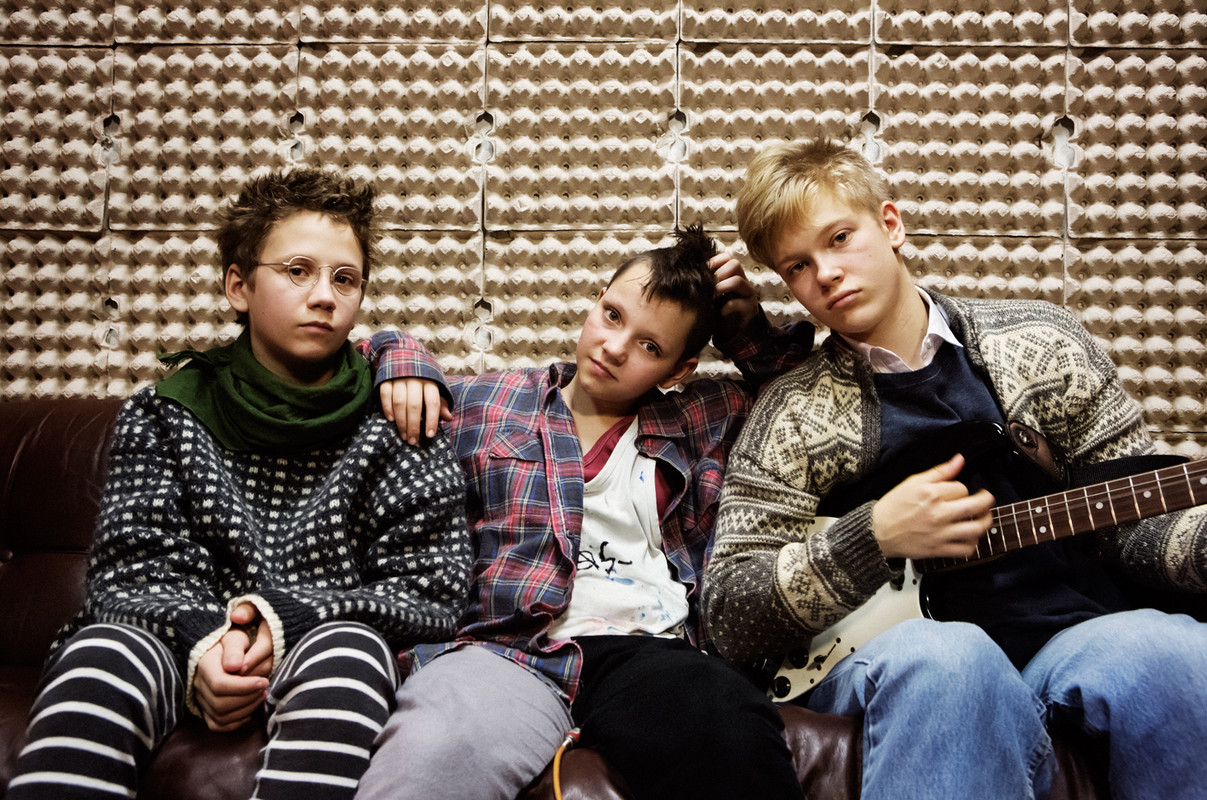
I may have mentioned my love of Lukas Moodysson's first film, Fucking Amal, and while I've liked many of his subsequent films (especially the gut punch that is Lilya 4 Ever), he's never, for me, quite recaptured the connection or the fun of his début.  We Are The Best, based on his wife Coco's semi-autobiographical graphic novel, feels like a deliberate return by Moodysson to the thematic territory and the setting of Fucking Amal, as he once again tells a coming of age story about high school girls.

This time the girls are a bit younger more naive.  It's 1982, and if it's not dead, punk is on the critical list, but 13 year old Bobo and Klara (Mira Barkhammar and Mira Grosin) are still dedicated fans.  With a battle of the bands coming up they decide to start a band, and recruit Hedvig (Liv LeMoyne), a slightly older girl who is the only one of their band who can actually play an instrument.

There's a real joy about We Are The Best.  It moves through the regular motions of a coming of age movie; there are jealous fights about boys and embarrassment at family members (Klara's dad is perfectly played, he clearly loves his kids, but also delights in embarrassing his daughter).  You get a sense of Bobo and Klara's closeness and of the way music helps their friendship with Hedvig grow, despite their differences.

It's refreshing that the band don't suddenly become brilliant.  Their one song (Hate the Sport) is awful, and it remains awful as their final performance becomes a confrontation, but this film isn't about them being great musicians, it's about them connecting through a shared love of music and that energy, that joy, translates to the audience.

2: The Babadook
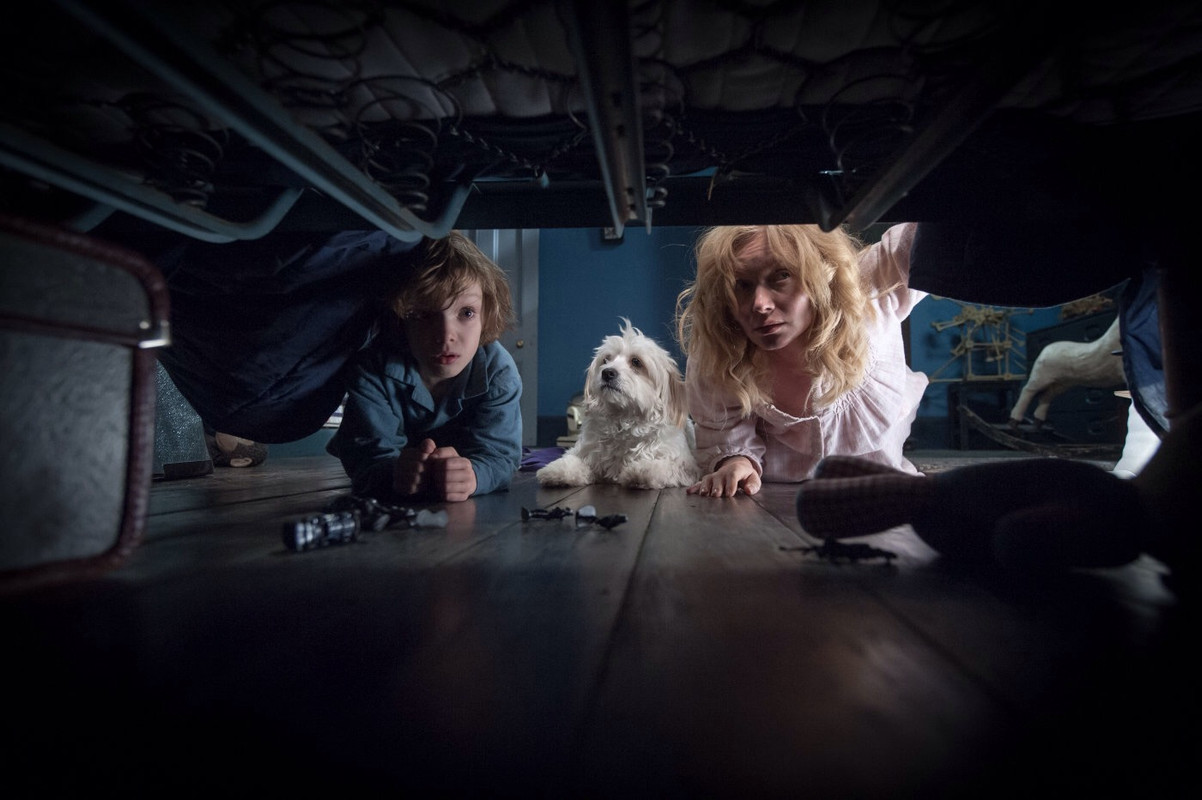
I very nearly missed The Babadook.  Few things in cinema bore me like the current trend for 'horror' films that extract all their 'scares' from things going bump just off screen.  These creaky house movies all blend into one for me, and the trailer for The Babadook painted it as just one more of them.  Happily, horror loving friends assured me that that wasn't all there was to the film, so I took a chance on it.

This isn't a typical horror film.  Yes, it has a monster , of sorts, at its heart, but for me it was clear from the outset that this wasn't a film about a literal monster and the the horror of The Babadook was not external, but internal.  This is the horror of a woman (Essie Davis as Amelia) whose tragic circumstances - her husband was killed in a car crash while driving her to the hospital to have their son - means that she struggles to truly love her child (six year old Samuel, played by Noah Wiseman).  It's a film about the horror of depression, perhaps of PTSD, and of not feeling the one emotion you know you are supposed to feel.

The influences here are less The Others or The Conjuring than more cerebral horrors like Ann Turner's Celia or Bernard Rose's début, Paperhouse; both haunting films centered around children and stories.  That said, when director Jennifer Kent does the things that go bump in the night sequences or physicalises the Babadook it works, because it's solidly grounded in the psychology of the characters and there is much more going on behind the scares than just a creaking sound.

The fact that it all pays off is down to the two central performances.  Noah Wiseman, who was told that Samuel was a kid who just wants to protect his mother from a monster, is brilliant.  There's a haunted quality to him, and his desperate need for his mother to have more connection with him is obvious.  

However, the show is stolen by Essie Davis, who gives the best performance of 2014 as Amelia.  Her fragility is clear from the off, and she's completely credible as Amelia is possessed by the Babadook/loses her grip on her sanity.  That said, her strength, the way she pulls little pieces of it together and finds a way to resist either the Babadook or her personal demons (I know what I believe here, but the rest of my audience seemed to disagree) is also totally credible, and played with moving conviction.  It's also worth noting that she has a scream that belongs in the horror hall of fame.

I've not seen a horror film of this depth since Martyrs, and while it doesn't challenge the interpretation of the genre the way that film did for me, The Babadook still has me thinking about it and going over moments in my mind months after I first saw it.  It's smart, scary and brilliantly crafted.

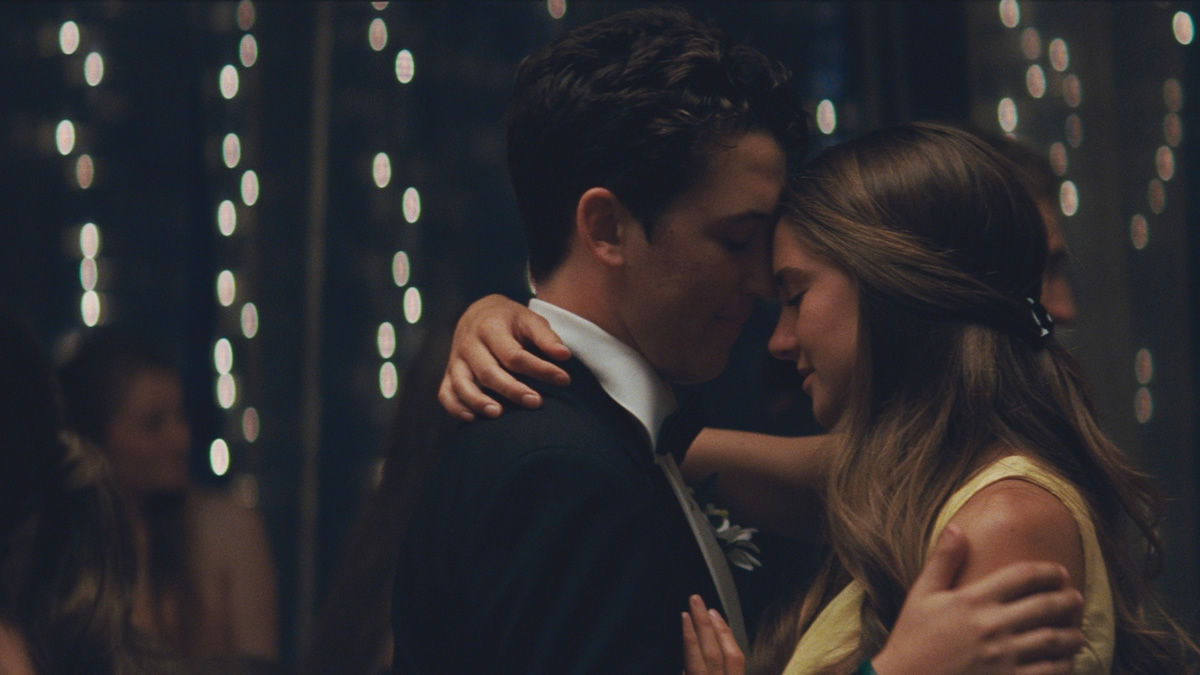
1: The Spectacular Now
My film of the year didn't play at cinemas.  It didn't get a Blu Ray or DVD release.  It didn't get dumped to ITunes.  Inexplicably, the UK release of The Spectacular Now, which I fell head over heels for at the London Film Festival in 2013, was direct to Google Play.  Really.  Google Play.

I believe I've made it clear before that I've always loved and been interested in coming of age movies, but I've been disappointed by much of the recent crop out of the USA, especially since they have refocused on trite YA novel adaptations.

The thing that really blows my mind about The Spectacular Now is that this beautifully observed piece, full of realistically flawed characters who you root for because you recognise them, was delivered by the same screenwriters who gave us 2014's worst film, this movie's evil twin, The Fault In Our Stars

Of course, the success of this film isn't entirely down to Scott Neustadter and Michael H. Weber's witty and emotional screenplay, and the way I felt it picking at my memories of high school, the performances are also outstanding.

Miles Teller has been a name to watch for a while, but for me he really confirmed his promise here.  As Sutter he cuts rather a sad figure, especially as the film goes on and you see how deep his problems - a fondness for a drink that has become a functional alcoholism - run and how much of his fun loving personality is a cover for his insecurity.  Teller plays all this without needing to spell it out, often letting a little gesture or a look speak for him.

Teller has great chemistry with Shailene Woodley, who plays Aimee; the wallflower who he initially says he's just trying to bring out of her shell, but falls into a relationship with.  One of the best things about both the script and the performances is that you can feel their connection and see why they are drawn to each other, apart from being two attractive people of similar ages.  Woodley keeps it simple in every aspect.  Aimee's heart is worn on her sleeve most of the time and her straightforward nature is even reflected in the simple clothing choices she makes and her lack of make up, there's a sense of a person with no artifice about her.

Even the characters with limited screen time - Brie Larson as Sutter's ex, Jennifer Jason Leigh and Kyle Chandler as his estranged parents - have rounded characters and stories, and are brilliantly played.

Much of The Spectacular Now reminded me of a down to earth take on Cameron Crowe's Say Anything, and that continues right up to the final shot and cut to black, leaving the film on a beautiful ellipsis that we'll never see the end of.  It's a moment that fits perfectly with the film's bittersweet tone.